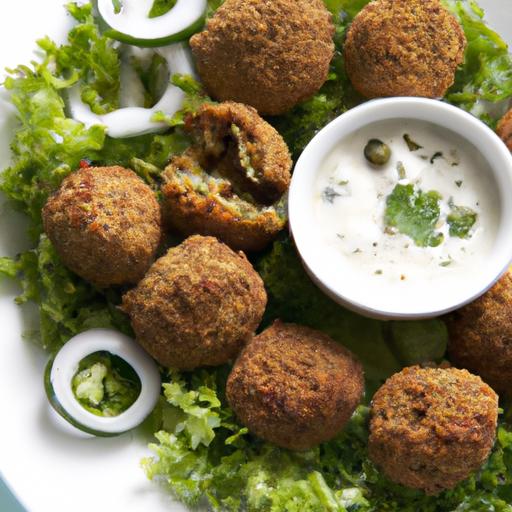

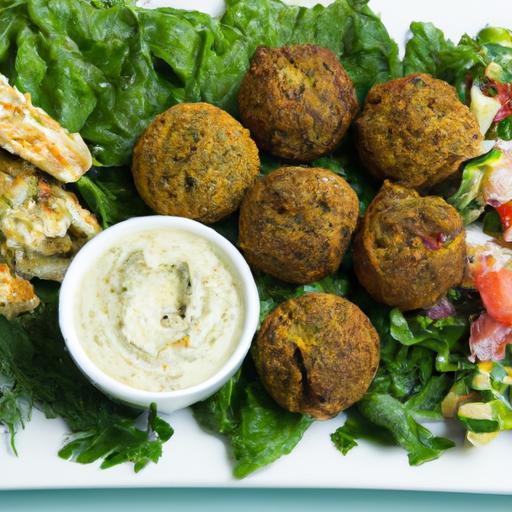
Beneath the golden crust of a humble falafel lies a story as rich and layered as its blend of herbs and spices. “Falafel Unwrapped: A Timeless Tale of Flavor and Tradition” invites readers to journey beyond the plate, exploring the origins, cultural importance, and enduring appeal of this beloved Middle Eastern dish. From bustling street markets to modern kitchens worldwide, falafel remains a symbol of heritage and a testament to the timeless power of flavor to connect people across generations.
Falafel Unwrapped: A Timeless Tale of Flavor and Tradition brings you an exploration into one of the Middle East’s most beloved dishes. This humble yet deeply flavorful fritter, crafted from seasoned chickpeas and herbs, embodies centuries of cultural history and culinary mastery. From bustling markets in Cairo to cozy street corners in Tel Aviv, falafel has transcended borders, becoming a global symbol of comfort, community, and vibrant flavor.
Prep and Cook Time
- Planning: 30 minutes (including soaking chickpeas)
- cooking: 15 minutes (frying)
- Total Time: 45 minutes
Yield
- Approximately 24 falafel balls, serving 4 to 6 people
Difficulty Level
- Medium – requires careful soaking and frying technique
Ingredients
- 1 cup dried chickpeas (never canned; soaking is crucial)
- 1 small onion, roughly chopped
- 4 cloves garlic, minced
- 1 cup fresh parsley, packed
- 1 cup fresh cilantro, packed
- 1 teaspoon ground cumin
- 1 teaspoon ground coriander
- ½ teaspoon cayenne pepper (optional, for warmth)
- 1 teaspoon baking powder
- 2 tablespoons all-purpose flour (to bind)
- Salt and freshly ground black pepper, to taste
- Vegetable oil for frying (enough for 2 inches depth)
Instructions
- Soak the chickpeas: Rinse and soak dried chickpeas in cold water overnight or for at least 12 hours. They should double in size and soften slightly; do not use canned chickpeas as they lack the proper texture.
- Drain and process: Drain the soaked chickpeas thoroughly.In a food processor, combine chickpeas, onion, garlic, parsley, cilantro, cumin, coriander, cayenne pepper, salt, and pepper. Pulse repeatedly until you get a coarse, grainy paste-not a puree.
- Add baking powder and flour: Transfer the mixture to a bowl. Sprinkle baking powder and flour over it and mix well. Refrigerate for 30-60 minutes to help it firm up, which aids in shaping the falafel balls.
- Shape the falafel: Using wet hands or a falafel scoop, form the mixture into small balls or flattened patties approximately 1.5 inches in diameter.
- Heat the oil: In a deep frying pan or skillet, heat vegetable oil to 350°F (175°C). The oil should be deep enough to allow the falafel to float as they cook.
- Fry the falafel: Carefully slide several falafel balls into the hot oil without overcrowding. Fry for about 3-4 minutes, turning gently, until golden brown and crisp on all sides. Remove with a slotted spoon onto paper towels to drain excess oil.
- Serve warm: Falafel is best enjoyed fresh out of the fryer for maximum crunch and flavor.
Tips for Crafting the Perfect Homemade Falafel Experience
- Keep the texture coarse: Resist over-processing the chickpeas; the grainier the paste, the lighter and fluffier your falafel.
- Use fresh herbs: Parsley and cilantro add vibrant color and brightness-don’t substitute with dried herbs.
- Control oil temperature: Too hot, and falafel burns outside while raw inside. Too cool,and they absorb excess oil and become greasy.
- Make ahead: Prepare the falafel mixture and refrigerate for up to 24 hours; this allows flavors to meld and eases shaping.
- Customize boldly: Feel free to add a pinch of smoked paprika or fresh mint for a unique regional twist.
Serving Suggestions
Enjoy your falafel wrapped in warm pita bread with customary accompaniments such as creamy tahini sauce,crisp cucumber and tomato salad,pickled turnips,and a sprinkle of tangy sumac. For a modern twist, plate them atop a vibrant grain bowl or alongside roasted vegetables. Garnish with fresh parsley and a wedge of lemon for a burst of freshness that enhances every bite.

Exploring Regional Variations and Flavor Profiles
The falafel landscape extends far beyond the classic recipe. In Egyptian cuisine, ta’amiya uses fava beans instead of chickpeas, delivering a greener, earthier flavor. In contrast, Levantine falafel frequently enough incorporates a higher herb ratio, highlighting bright notes of cilantro and parsley. North African variants might add spices like caraway or turmeric, enriching depth and warmth.
These nuances remind us that falafel isn’t just food-it’s a culinary journey through cultures and histories.Experimenting with these variations can add exciting new dimensions to your homemade falafel, sparking inspiration in every bite.
| Nutrient | Per Serving (4 falafel balls) |
|---|---|
| Calories | 280 kcal |
| Protein | 9 g |
| Carbohydrates | 30 g |
| Fat | 12 g |
For further exploration of Middle Eastern culinary delights, check out our Middle Eastern recipe collection. To deepen understanding of falafel’s cultural roots, the Encyclopedia Britannica overview offers authoritative insights.
Q&A
Q&A: Falafel Unwrapped – A Timeless Tale of Flavor and Tradition
Q1: What exactly is falafel?
A: Falafel is a deep-fried ball or patty made primarily from ground chickpeas or fava beans, blended with herbs, spices, and onions. It’s a beloved street food originating from the Middle East, celebrated for its crispy exterior and tender, flavorful interior.
Q2: Where did falafel originate?
A: While falafel’s exact origins are debated, it is widely believed to have originated in the Eastern Mediterranean or Egypt, dating back centuries. It has as journeyed across cultures and borders, becoming a staple in many Middle Eastern and Mediterranean cuisines.
Q3: What makes falafel so unique compared to other legume-based dishes?
A: Falafel’s uniqueness lies in its harmony of spices like cumin and coriander blended with fresh herbs such as parsley and cilantro. Its preparation method-deep frying to achieve a crunchy shell with a moist, fluffy center-creates a textural contrast that delights the palate.
Q4: How has falafel evolved over time?
A: Traditionally made with fava beans in Egypt and chickpeas in Levantine regions, falafel recipes have adapted according to local tastes and ingredients. Modern versions may include additions like sweet potatoes or zucchini, and are often served in pita bread with tahini sauce, pickles, and fresh vegetables.Q5: Why is falafel considered a cultural symbol?
A: Beyond its flavors, falafel represents a shared culinary heritage across diverse communities. It embodies simplicity,nourishment,and communal eating-values that transcend geography and bring people together around a common table.
Q6: Can falafel be part of a healthy diet?
A: Absolutely. Made primarily from plant-based ingredients, falafel provides protein, fiber, and essential nutrients. While traditionally deep-fried, baking or air-frying falafel offers lighter alternatives without sacrificing taste.
Q7: How can one best enjoy falafel at home?
A: To savor falafel at home, freshly grind your beans or chickpeas, soak them properly, and season generously with herbs and spices. Fry or bake until golden, and serve with classic accompaniments like warm pita, tangy tahini, crisp vegetables, and zesty pickles.
Q8: What does falafel teach us about food and tradition?
A: falafel reminds us that food is more than sustenance-it’s a narrative of history, culture, and shared experiences. Each bite carries memories and stories passed through generations, celebrating the art of flavor and the bonds forged around a simple yet extraordinary dish.
Key Takeaways
As the fragrant aroma of falafel continues to weave through markets and kitchens around the world, its story remains as vibrant and enduring as ever. This humble blend of spices, herbs, and chickpeas carries with it the echoes of ancient traditions and the warmth of shared meals. Whether enjoyed in bustling city streets or quiet home gatherings, falafel transcends time and place-inviting each of us to savor not just a dish, but a timeless tale of flavor and heritage. In every crispy bite, the legacy lives on, unwrapped and ready to be discovered anew.