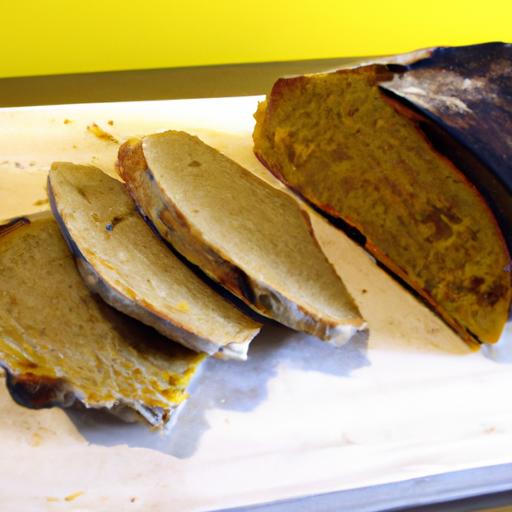

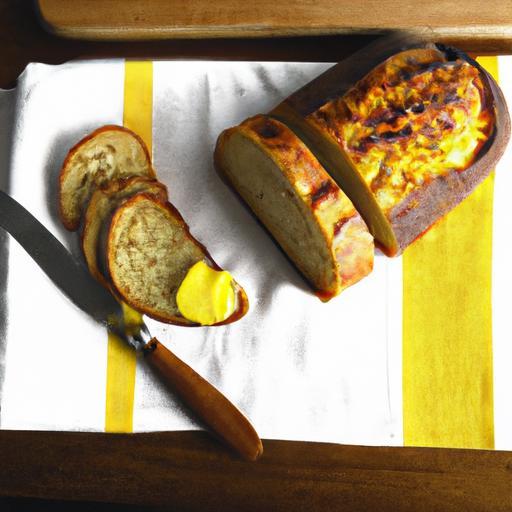
In the world of artisan baking, innovation often emerges from the harmonious marriage of tradition and unexpected ingredients. Enter the golden-hued delight known as turmeric and black pepper sourdough-a loaf that marries the earthy warmth of ancient spices with the tangy depth of naturally fermented bread. This fusion not only elevates the humble sourdough to a new sensory experience but also invites us to explore the subtle interplay of flavor,health benefits,and cultural heritage within a single crust. Join us as we delve into the story and science behind these golden loaves, uncovering how turmeric and black pepper transform sourdough into a vibrant party of taste and tradition.
Golden Loaves: The Fusion of Turmeric & Black Pepper Sourdough
Golden Loaves: The Fusion of Turmeric & Black Pepper sourdough is an inspired blend that perfectly marries earthy turmeric with the sharp warmth of black pepper,creating a bread that is as healthful as it is flavorful. Rooted in ancient culinary traditions, this sourdough transforms everyday baking into a vibrant sensory experience, bursting with golden hues and aromatic depth. As a seasoned Culinary content Creator and Food stylist, I’ve found that this recipe beautifully unlocks the health properties of turmeric through precise ingredient integration, balanced by the subtle spice of freshly ground black pepper during fermentation-delivering loaves that are visually stunning with an inviting aroma and texture.
Prep and Cook Time
- Preparation: 20 minutes (excluding starter feeding)
- Fermentation (Bulk): 4-6 hours at room temperature
- Proofing: 8-12 hours (overnight preferred)
- Baking: 40 minutes
- Total Time: Approximately 14-18 hours
yield
Makes 1 medium loaf (about 800g), perfect for 6-8 servings.
Difficulty Level
Medium – Ideal for bakers with some sourdough experience aiming to elevate their craft with unique spices.
Ingredients
- 350g bread flour, sifted
- 100g whole wheat flour
- 280g water (room temperature, filtered)
- 80g active sourdough starter (100% hydration)
- 1 ½ tsp fine sea salt
- 2 tsp ground turmeric (freshly sifted if possible)
- 1 tsp freshly cracked black pepper (moderate grind, not too fine)
- Optional: 1 tbsp olive oil (for slightly softer crumb)
Instructions
- Mix the Dough: In a large bowl, whisk together the bread flour, whole wheat flour, turmeric, and black pepper untill evenly combined. The turmeric’s golden pigment will immediately brighten the mixture, offering a beatiful visual cue.
- Add Wet Ingredients: Pour in the water and active sourdough starter. Stir with a wooden spoon or dough whisk until a rough, shaggy dough forms. Let this rest for 30 minutes – this autolyse phase encourages gluten advancement.
- Add Salt and Knead: Sprinkle the fine sea salt over the dough, then knead gently in the bowl or on a lightly floured surface for about 7-8 minutes. The dough should feel slightly tacky but elastic. If using olive oil, fold it in now.
- Bulk Fermentation: Transfer the dough to a clean bowl and cover with a damp towel or plastic wrap. Perform a series of stretch and folds every 30 minutes during the first 2 hours (4 rounds total) to build strength and structure.
- Final Rise: Allow the dough to ferment at room temperature until it nearly doubles in size-this usually takes 4-6 hours depending on ambient temperature and starter activity. The black pepper aroma will subtly intensify,perfectly offsetting the earthiness of turmeric.
- Shaping: Lightly flour your work surface and gently turn the dough out. Shape it into a tight boule or bâtard, tucking the edges underneath to create surface tension, which is critical for a good oven spring.
- Proof: Place your shaped dough into a floured banneton basket or bowl lined with a well-floured towel. Cover and refrigerate overnight (8-12 hours) for a slow, cold proof that enhances flavor complexity and aroma.
- Baking: Preheat your oven with a Dutch oven inside at 475°F (245°C) for at least 45 minutes. Carefully transfer the dough to parchment paper,score the top with a sharp blade,and place it inside the Dutch oven.
- Bake Covered: Bake the bread covered for 20 minutes, then remove the lid and bake for an additional 20 minutes or until the crust is a deep, golden brown with slight orange hues from the turmeric.
- Cool: Let your golden loaf cool completely on a wire rack for at least 2 hours before slicing to allow the crumb to set and flavor to fully develop.
Tips for Success
- Ingredient Integration: Turmeric is a powerful pigment and flavor. Use freshly ground black pepper for a clean, sharp note that balances turmeric’s earthiness-avoid overdoing pepper or the bread can become bitter.
- fermentation: patience is key.The cold proof overnight not only improves flavor but also intensifies the aromatic interplay between spices.
- Starter Activity: Ensure your starter is bubbly and active before baking. A sluggish starter will slow fermentation and impact rise and flavor.
- Make ahead: Shape and refrigerate the dough for up to 24 hours; longer proofs develop deeper flavor but watch for over-proofing signs.
- Substitutions: For gluten-sensitive bakers, replace 50g bread flour with spelt flour to add nutty undertones; note that texture will vary.
serving Suggestions
The striking golden crumb and peppery aroma make this bread a showstopper on any table.Slice thick and serve slightly warmed with cultured butter or mild cream cheese to enhance the turmeric’s richness. For a hearty meal, pair with spiced lentil soup or roasted vegetables seasoned with cumin and coriander to complement the black pepper note. Garnish with fresh herbs like cilantro or parsley for a vivid pop of green against the golden slices. This loaf also excels as artisan sandwich bread-try smoked turkey with avocado and microgreens for an elevated lunchtime treat.

Nutritional Details (per slice, approx. 80g)
| Calories | Protein (g) | Carbs (g) | Fat (g) |
|---|---|---|---|
| 180 | 6 | 35 | 2 |
For additional insights into sourdough fermentation techniques, you may find this king Arthur Baking guide highly useful. Also, explore our Whole Wheat Sourdough Bread recipe for more artisan baking inspiration.
Q&A
Q&A: Golden Loaves – The Fusion of Turmeric & Black Pepper sourdough
Q1: What inspired the idea of combining turmeric and black pepper in sourdough bread?
A1: The fusion stems from both culinary tradition and wellness benefits. Turmeric, known for it’s vibrant color and anti-inflammatory properties, pairs naturally with black pepper, which enhances turmeric’s bioavailability. Integrating these ingredients into sourdough introduces an ancient spice duo to a time-honored bread-making technique, creating a loaf that is both flavorful and nourishing.
Q2: How do turmeric and black pepper affect the flavor profile of the sourdough?
A2: Turmeric imparts a warm, earthy, and slightly bitter undertone, while black pepper adds a gentle heat and subtle pungency. Together, they deepen the flavor complexity of the sourdough, balancing the tangy acidity of the ferment with aromatic spice notes. The result is a loaf that is rich and inviting without overpowering the palate.
Q3: Does adding turmeric and black pepper change the texture or fermentation process of the sourdough?
A3: The spices themselves do not substantially alter the texture; the bread still develops a classic sourdough crumb-airy and chewy with a crisp crust. Though, turmeric’s natural pigments may slightly change the dough’s color, giving it a glowing golden hue. The fermentation time remains largely the same, though some bakers note a subtle affect on yeast activity, requiring minor adjustments.
Q4: What are the health benefits of consuming turmeric and black pepper in bread form?
A4: Turmeric is celebrated for its curcumin content, a compound linked to anti-inflammatory and antioxidant effects.Black pepper contains piperine, which boosts curcumin absorption. When combined in bread, these spices offer a convenient and tasty way to enjoy their health-supportive properties alongside the digestive benefits of fermented sourdough.
Q5: Who is this golden loaf most suited for?
A5: Golden Loaves appeal to adventurous eaters, health-conscious consumers, and those looking to diversify their bread repertoire. It’s ideal for anyone who appreciates spiced foods and enjoys the tangy nuance of sourdough, while also seeking breads with a unique visual and nutritional twist.
Q6: Are there specific pairing recommendations for turmeric and black pepper sourdough?
A6: This loaf pairs beautifully with mild cheeses, such as goat or ricotta, which complement its earthy notes without masking them. It also works well as a base for savory spreads, smoked salmon, or hearty vegetable soups. The warm spices enhance flavors in autumnal and Mediterranean dishes alike.
Q7: Can home bakers easily make their own turmeric and black pepper sourdough?
A7: Absolutely. Home bakers can integrate turmeric powder and freshly cracked black pepper into their usual sourdough recipe with little difficulty. It’s recommended to start with small quantities to balance the spice intensity and adjust to personal taste. Patience and experimentation are key to perfecting the golden loaf at home.
Q8: What does the future hold for spice-infused sourdough breads like this one?
A8: As interest grows in both artisanal baking and functional foods, spice-infused sourdough is poised to become a creative frontier. Bakers may continue to explore diverse spices and herbs, marrying ancient ingredients with modern fermentation techniques to craft breads that delight the senses and support well-being. The golden loaf is just one luminous example on this flavorful journey.
The Conclusion
as the aroma of golden loaves fills the kitchen, the humble union of turmeric and black pepper in sourdough bread reveals more than just a fresh twist-it tells a story of tradition meeting innovation.this fusion not only delights the palate with its warm,earthy notes and subtle complexity but also invites us to savor the rich tapestry of flavors rooted in ancient spice blends. Weather enjoyed fresh from the oven or toasted to perfection, each bite is a gentle reminder that the art of breadmaking continues to evolve, weaving new narratives into age-old practices. golden loaves, indeed, shine brightest when crafted with a thoughtful blend of heritage and creativity.