
Eggs are a timeless kitchen staple-simple at first glance, yet profoundly complex beneath teh shell. The quest for the perfectly boiled egg has tantalized cooks and scientists alike, blending culinary intuition with precise chemistry. In this exploration, we uncover the art and science behind achieving that elusive harmony of tender whites and creamy yolks.From temperature control to timing nuances, join us as we crack open the secrets to mastering the perfect boiled egg every time.
Perfectly boiled eggs are an art and understanding the intricate anatomy of an egg can elevate your boiling game immensely. Each layer-from the delicate shell to the rich yolk-plays a vital role in how heat transfers, cooking times, and temperature control influence the final texture and taste. By mastering the chemistry behind these elements, you’ll achieve consistently smooth, creamy yolks or firmer centers tailored precisely to your preference.
Prep and Cook Time
- Planning: 5 minutes
- Cooking: 6-12 minutes (depending on desired doneness)
- Cooling: 5 minutes
Yield
Serves 4 (1 large egg per person)
Difficulty Level
Easy
Ingredients
- 4 large eggs, preferably at room temperature
- Enough water to cover the eggs by at least 1 inch
- Ice cubes and cold water for an ice bath
- optional: 1 tsp baking soda (helps with shell peeling)
Instructions
- Understand the anatomy: Before boiling, recognize the three main parts of your egg: the porous shell, the albumen (egg white), and the yolk. The shellS pores allow minute heat exchange, affecting how heat penetrates to the white and yolk.
- Bring water to a gentle boil: Fill a medium saucepan with water,add baking soda if desired,and bring it to a rolling boil. The baking soda alkalizes the water, softening membranes for easier shells removal.
- Lower eggs gently: using a slotted spoon, carefully lower room-temperature eggs into the boiling water to prevent cracking.
- Control cooking time: Immediately reduce to a simmer to avoid overcooking. For jammy yolks with a slightly creamy texture, simmer 6-7 minutes. For fully firm yolks, simmer 10-12 minutes. Precise temperature control steers the yolk’s chemistry, preventing chalkiness or undesired runniness.
- Ice bath resting: Quickly transfer eggs to an ice bath to halt heat transfer and shock the membranes inside. This step guarantees perfectly set yolks and makes peeling effortless.
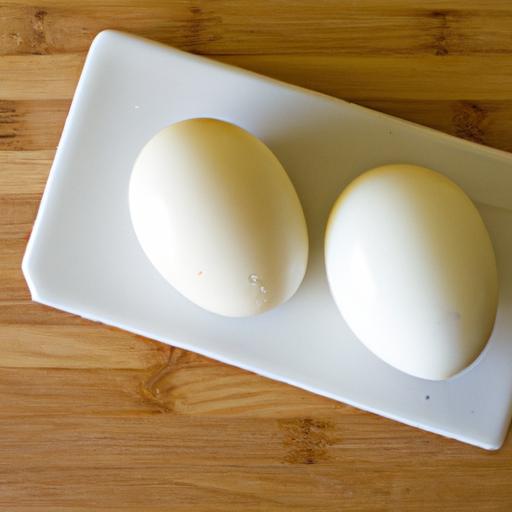
- Peel and serve: Gently crack shells all over, peel under running water to remove stubborn bits, and pat dry.
Chef’s Notes: Tips for Success
- Egg freshness: Slightly older eggs peel more easily after boiling, but vrey old eggs may have watery whites-choose a balance.
- Temperature matters: Bringing eggs to room temperature before boiling reduces cracking caused by temperature shock.
- Experiment with elevation: At higher altitudes,water boils at lower temperatures-extend cook time by 1-2 minutes for perfect results.
- Consistent yolk texture: Use an instant-read thermometer during simmer to maintain 185°F (85°C) water temp, ensuring steady cooking.
- Make-ahead tip: Hard-boiled eggs stored in the shell maintain freshness up to one week refrigerated.
Serving Suggestions
Enjoy these perfectly boiled eggs as a classic breakfast with a sprinkle of flaky sea salt and cracked black pepper. For a savory twist, halve the eggs and top with avocado, smoked paprika, or a drizzle of truffle oil. They’re also ideal for gourmet salads, crispy toast toppings, or elegant brunch platters garnished with fresh herbs like chives or dill.

| Nutrient | Per Egg (large) |
|---|---|
| Calories | 70 kcal |
| Protein | 6 g |
| Carbohydrates | 0.6 g |
| Fat | 5 g |
Understanding Egg Anatomy for Optimal Boiling Results
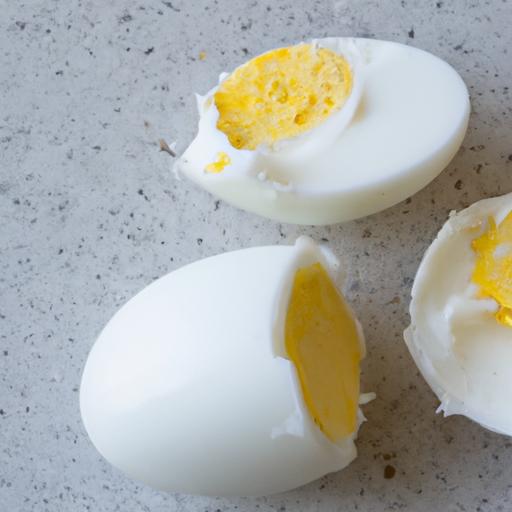
At its core, the key to perfect boiled eggs lies in knowing how the egg’s anatomy influences heat absorption. The outer shell’s porous structure allows water and heat to diffuse slowly inside, while the thick albumen acts as a buffer, insulating the yolk. The yolk itself is rich in fat and proteins, wich coagulate at specific temperatures ranging from 140°F to 158°F (60°C to 70°C). By regulating boiling temperature and timing, you influence how firmly or fluidly this delicate center sets. For example,cooking eggs past 160°F (71°C) leads to dry,crumbly yolks,while undercooking results in a runny,less stable center.
The Chemistry Behind Cooking Times and Temperature Control
Temperature control is crucial due to the chemical transformations that occur during boiling.Egg whites solidify around 144°F (62°C), while yolks begin thickening at 149°F (65°C). Precise timing avoids over-curdling proteins or producing a greenish-gray ring around yolks, a sulfur-iron reaction caused by overheating. Avoiding rapid, rolling boils and shifting to gentle simmering protects texture and flavour by evenly distributing heat.
Techniques to Achieve Consistent Yolk Texture Every Time
Consistency is achieved through practice and technique. Begin by using eggs at similar sizes and freshness. Room temperature eggs cook evenly, avoiding shell cracks and uneven cooking. Using an ice bath stops cooking immediately, locking in texture. for foolproof results, use an instant-read thermometer to maintain consistent simmering temperature, or opt for sous vide boiling for precision control of yolk doneness.
Troubleshooting Common Boiling Mistakes and Expert Tips
Some common pitfalls include cracked shells (use room temperature eggs), chalky yolks (avoid overcooking or prolonged heat exposure), and difficult peeling (try baking soda in the water or older eggs). If yolks turn green, it signals overcooking-reduce cook time or shock eggs rapidly post-boil. For those who struggle with timing, using an egg timer app or kitchen timer dedicated to perfect boiled eggs can elevate success rates dramatically.
For more culinary insights on egg cooking techniques, check out our article on Perfect Scrambled Eggs. Scientific insights into egg protein chemistry can be deepened by visiting NCBI Protein Chemistry Research.
Q&A
Q&A: The Art and Science of Perfectly Boiled Eggs Uncovered
Q: Why is boiling an egg considered both an art and a science?
A: Boiling an egg blends precision with personal preference. Scientifically, water temperature and timing dictate the chemical and physical changes inside the egg-altering texture, color, and flavor. Artistically, it involves intuition and subtle adjustments to achieve that perfect balance between yolk creaminess and white firmness.
Q: What exactly happens inside an egg during boiling?
A: As the egg heats, proteins in the white and yolk denature and coagulate. The egg white, primarily made of albumin, transforms from clear to opaque as it solidifies. simultaneously occurring, the yolk’s fats and proteins thicken, shifting from runny to crumbly. Timing controls these changes, determining whether the yolk is soft and luscious or firm and powdery.
Q: How critical is the starting temperature of the egg before boiling?
A: Very. Starting with room temperature eggs can definitely help prevent cracking and promote even cooking. Cold eggs straight from the fridge introduced into boiling water experience sudden temperature shocks,increasing the risk of shell fractures and uneven texture.
Q: Does the altitude affect boiling eggs?
A: Yes. at higher altitudes, water boils at a lower temperature due to decreased atmospheric pressure. This means eggs take longer to cook, requiring adjusted boiling times to reach the desired doneness.
Q: What is the ideal method to achieve a soft-boiled egg?
A: Gently lower a room-temperature egg into simmering water (not a rolling boil) and cook for about 5 to 6 minutes. Immediately plunging the egg into ice water halts cooking, preserving the runny yolk and tender white.
Q: Why do some boiled eggs get a greenish ring around the yolk? is it harmful?
A: The greenish-gray ring occurs when sulfur in the white reacts with iron in the yolk during prolonged boiling or high heat, forming ferrous sulfide. It’s harmless but indicates overcooking.
Q: Can soaking boiled eggs in cold water improve thier peeling?
A: Absolutely. Cooling eggs quickly contracts the egg inside the shell, helping separate membrane from the shell, which facilitates easier peeling.
Q: Are there any modern techniques that improve boiled egg results?
A: Yes, precision cooking tools like sous vide machines offer exact temperature control, delivering perfectly cooked eggs with consistent texture every time-removing much of the guesswork inherent in customary boiling.
Q: How much does egg freshness influence the boiling outcome?
A: Fresh eggs are harder to peel after boiling due to a tighter bond between the membrane and shell.Slightly older eggs (about a week old) tend to peel more easily while maintaining quality.
Q: What’s the simplest takeaway for nailing the perfect boiled egg?
A: Control your temperature, time your boil to your desired doneness, start with room-temperature eggs, cool them promptly after cooking, and experiment to match your texture preference. Mastery lies in the harmony of these elements-both art and science at play.
To Wrap it Up
As the journey through the delicate balance of temperature, timing, and technique comes to a close, it’s clear that the perfectly boiled egg is more than just a kitchen staple-it’s a harmonious blend of art and science.Whether you’re chasing that creamy yolk or a firm, sliceable center, understanding the subtle variables transforms a simple task into a reliable ritual. so next time you set your timer and lower that egg into boiling water,remember: mastery is within your grasp,one precisely boiled egg at a time.