
Nestled along the rugged coastlines of northwest France, the region of Brittany is renowned for its windswept landscapes, ancient traditions, and culinary treasures. Among its most cherished gifts is Breton butter-a silky, richly flavored dairy delight that embodies the essence of the coastal terroir.Crafted wiht time-honored techniques and the region’s distinctive salt-harvested sea salt, Breton butter is more than just a kitchen staple; it is a creamy tradition that tells the story of Brittany’s connection to both land and sea. This article explores the origins, unique qualities, and enduring appeal of Breton butter, inviting readers to discover why this humble spread has won a special place in French gastronomy.
Breton butter, a jewel born from the lush, salty pastures of France’s Brittany region, captures the soul of coastal terroir in every creamy, golden pat. This remarkable Breton butter is renowned for its rich texture and subtly tangy flavor,created by customary methods passed down through generations. infused with the maritime notes characteristic of Brittany’s windswept landscape, it transforms dishes from ordinary to extraordinary, telling a story of artisanal craftsmanship from farm to table.
prep and Cook Time
Preparation: 10 minutes | Chilling: 1 hour | Total: 1 hour 10 minutes
Yield
Approximately 1 cup (225 grams) of fresh Breton butter
Difficulty Level
Medium – Requires patience, but rewarding and approachable for dedicated home cooks
Ingredients
- 2 cups chilled heavy cream (preferably raw or unpasteurized for authentic flavor)
- ½ teaspoon fine sea salt (preferably harvested from Brittany’s salt marshes, such as Fleur de Sel)
- Cold water for rinsing butter
Instructions
- Chill the cream: Ensure your heavy cream is very cold, ideally kept in the fridge for several hours before beginning. Cold cream helps yield a better, creamier butter.
- Whip the cream: Pour the cream into a large mixing bowl or stand mixer fitted with a whisk attachment.Beat on medium-high speed, watching as the cream thickens into soft peaks, then stiff peaks.
- Continue whipping: As you whisk past stiff peaks, the cream will begin to curdle and break into solid butter and liquid buttermilk. This change usually occurs around 7-10 minutes of beating. Don’t stop until you see clear separation.
- Strain and save buttermilk: Pour off the buttermilk into a separate container. this tangy liquid is perfect for baking or cooking.
- Work the butter: Transfer the butter solids to a bowl and rinse under cold water. Knead the butter gently under running water or in a bowl of cold water until the water runs clear to remove residual buttermilk.This prevents spoilage and enhances shelf life.
- Season with sea salt: Sprinkle the Breton sea salt (Fleur de Sel preferred) and knead gently to incorporate evenly. Taste and adjust salt to your preference.
- Shape and chill: Form the butter into a log or pack into a container lined with parchment paper. Refrigerate for at least 1 hour before using to set the texture.
Tips for Success
- Use the highest-quality cream you can find; local farms or direct-from-dairy products will deliver the purest flavor.
- Raw cream will lend the most authentic Breton butter taste, but pasteurized cream with high fat content (36% or higher) can work.
- Chilling your bowl and beaters beforehand can speed up the butter-making process.
- If you want a sweeter butter, omit the salt; for a rustic twist, try smoked sea salt.
- Butter can be stored wrapped tightly in parchment, then foil, in the fridge for up to two weeks or frozen for several months.
Serving Suggestions
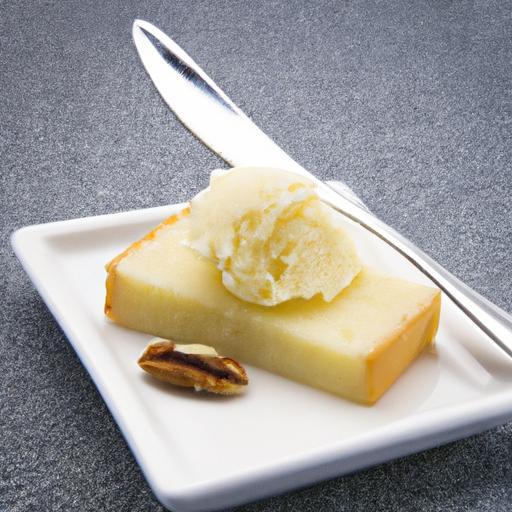
breton butter shines brightest when allowed to take centre stage. Serve it thickly sliced on crusty artisanal bread, warm from the oven, or melt over steamed local vegetables to enhance their natural sweetness. for a truly decadent experience, dollop onto freshly boiled new potatoes and sprinkle with a pinch of flaky sea salt and fresh herbs like chives or thyme. It’s also spectacular stirred into creamy risottos, enriching sauces, or as a finishing touch on seared scallops, where hints of ocean brine harmonize perfectly.
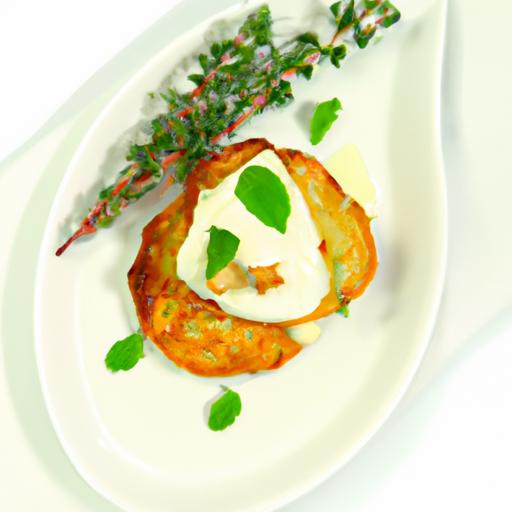
For elegant plating, add edible flowers or microgreens beside buttered toast, creating a visual tribute to Brittany’s coastal charm.

| Nutrient | Per 1 tbsp (14g) |
|---|---|
| Calories | 100 |
| Protein | 0.1g |
| Carbohydrates | 0g |
| Fat | 11g |
To deepen your understanding of the unique qualities of Breton butter and its production, explore expert producers’ insights and history. Also, check out our article on Pairing French Cheeses with Breton Butter to elevate your culinary repertoire further.
Q&A
Q&A: Breton Butter – Creamy Tradition from france’s Coastal Heart
Q: What makes Breton butter unique compared to other butters?
A: Breton butter is celebrated for its distinctively rich, creamy texture and slightly salty tang, a direct reflection of the coastal terroir of Brittany. Unlike many butters made from pasteurized cream,Breton butter is frequently enough made using traditional methods with raw or lightly pasteurized cream,preserving nuanced flavors born from the region’s lush pastures and salty sea air.Q: Where exactly does Breton butter come from?
A: Breton butter hails from brittany, a rugged peninsula in northwest France bordered by the Atlantic Ocean. This coastal region is known for its fertile meadows and a maritime climate that influences the flavor profile of the dairy produced there, including its famed butter.
Q: How does the coastal habitat affect the flavor of breton butter?
A: The salty sea breeze carries minerals and subtle saline elements to the grass pastures where cows graze, imparting a unique hint of saltiness to the milk. This natural seasoning translates into the butter, giving it a slightly briny undertone that distinguishes it from inland varieties.
Q: Is Breton butter typically salted or unsalted?
A: While both versions are available, Breton butter is traditionally salted.The natural salinity from the sea air is complemented by hand-rubbed sea salt crystals, enhancing flavor and aiding preservation. This artisanal salting process is part of the heritage that defines Breton butter.
Q: What types of dishes best showcase breton butter?
A: Its complex creaminess and gentle saltiness make Breton butter a prized ingredient in both cooking and baking. It shines in flaky pastries like kouign-amann, enriches sauces and seafood dishes, and is simply sublime spread on fresh crusty bread or warm galettes.
Q: How is Breton butter produced today-has the process changed over time?
A: While modern techniques ensure safety and consistency, many breton butter producers still honor traditional methods, such as using local churns and minimal processing, to preserve authenticity. The commitment to quality and terroir remains strong, connecting present-day butter to centuries-old craft.
Q: Can Breton butter be found outside of France?
A: Yes, thanks to growing international demand for artisanal foods, Breton butter is exported worldwide. Specialty food shops and gourmet markets often carry it, inviting curious palates abroad to experience a taste of Brittany’s coastal heritage.
Q: Why should food enthusiasts seek out Breton butter?
A: Beyond its sublime flavor, Breton butter offers a sensory journey into the heart of Brittany’s landscape and tradition. It embodies the harmony of sea and land,history and craft-a testament to how place and care can transform a humble ingredient into something extraordinary.
Insights and Conclusions
As the waves of Brittany continue to kiss France’s rugged coastline, so too does breton butter carry forward a legacy rich with time-honored craftsmanship and coastal character. Its creamy texture and nuanced flavor are more than just ingredients; they are a testament to a region where tradition and nature intertwine. Whether spread generously on crusty bread or woven into delicate pastries, Breton butter invites us to savor a piece of France’s coastal heart-where every pat holds a story, and every taste echoes the enduring spirit of the sea.