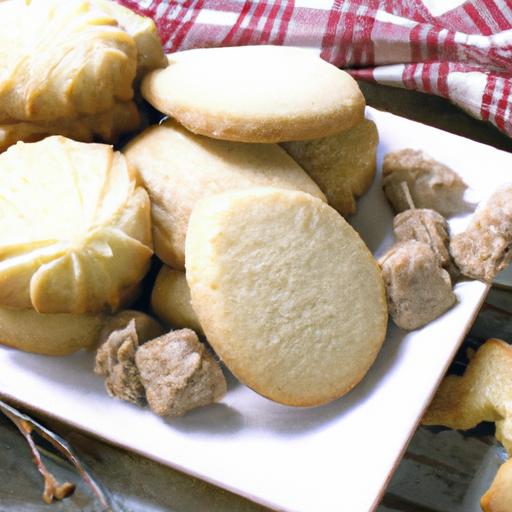

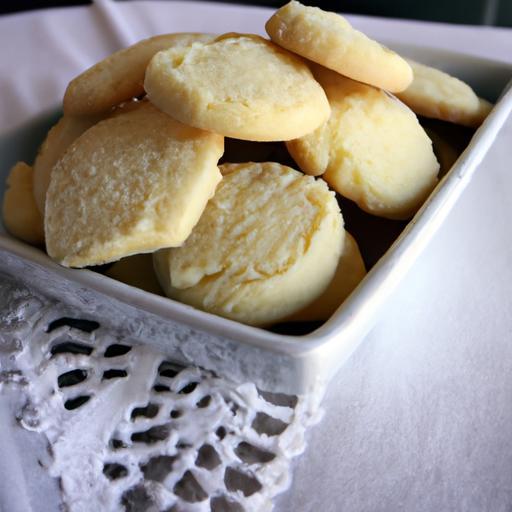
Nestled along the rugged coastlines of Brittany, France, lies a culinary treasure that has captivated taste buds for centuries: the Breton shortbread cookie. With its buttery richness and delicate crumb, this humble biscuit carries the essence of a region steeped in history and tradition. More than just a sweet treat,the Breton shortbread offers a window into the cultural tapestry of its homeland,inviting us to explore the timeless charm that has kept it a beloved classic across generations and borders. In this article, we delve into the origins, distinctive qualities, and enduring appeal of these iconic cookies, uncovering the story behind their celebrated place in the world of pastry.
Breton shortbread cookies evoke a timeless charm that draws food lovers into the rich culinary heritage of Brittany, France. Crafted with simple yet distinctive ingredients, these buttery gems capture the essence of coastal traditions and artisanal baking techniques. Their unique texture-crisp on the edges and tender within-makes them a beloved classic that enhances any teatime or dessert spread.
Prep and Cook Time
- Planning: 15 minutes
- Resting time: 1 hour (chilling dough)
- Baking time: 20-25 minutes
Yield
- Makes approximately 24 cookies
Difficulty Level
- Easy to Medium
The Timeless Charm of Breton Shortbread Cookies: Ingredients That Define Their Flavor
- 1 cup (225g) unsalted butter, chilled and cut into cubes
- 3/4 cup (150g) granulated sugar
- 1/4 teaspoon fine sea salt
- 2 cups (250g) all-purpose flour, sifted
- 1/2 cup (60g) almond flour (optional but traditional for depth)
- 2 large egg yolks
- 1 teaspoon pure vanilla extract
- Zest of 1 lemon (for bright aromatic notes)
Step-by-Step Instructions
- Combine the dry ingredients: In a large bowl, whisk together the sifted all-purpose flour, almond flour, sugar, and sea salt. This foundation creates the perfect balance of texture and flavor.
- Cream the butter: Using a stand mixer or hand mixer, beat the chilled butter until smooth and slightly fluffy but not melted. Incorporate the egg yolks, vanilla extract, and lemon zest until evenly mixed.
- Integrate dry and wet: Gradually add the dry mixture to the butter mixture, folding gently with a spatula. Avoid overmixing to keep the tender crumb intact. The dough should come together but remain slightly crumbly.
- shape and chill: Form the dough into a disk or thick log about 1.5 inches in diameter.Wrap tightly in plastic wrap and refrigerate for at least 1 hour. Chilling solidifies the butter,ensuring clean cookie cuts and a flaky finish.
- Preheat and prepare: Preheat your oven to 350°F (175°C) and line baking sheets with parchment paper or silicone mats.
- Slice and arrange: Using a sharp knife,cut the chilled dough into 1/3-inch thick rounds. Space them about 2 inches apart on the tray to promote even baking and stunning golden edges.
- Bake to perfection: Bake for 20-25 minutes or until the edges turn a warm golden brown. Rotate the pans halfway through baking to ensure uniform heat exposure.
- Cool and store: Remove cookies from the oven and transfer to a wire rack promptly to cool fully. Store in an airtight container for up to one week, allowing flavors to deepen.
Chef’s Notes: Tips for Success
- Butter quality matters: Use unsalted European-style butter for richer flavor and a smoother texture.
- Resting the dough is crucial: Chilling prevents spreading and develops the desired crumbly structure.
- Almond flour adds depth: optional but highly recommended for an authentic Breton shortbread flavor profile.
- Customizing flavors: Try substituting lemon zest with orange or adding a tablespoon of fine sea salt on top before baking for a salted caramel twist.
Serving Suggestions for an Elevated Experience
Serve these Breton shortbread cookies alongside a steaming cup of Earl Gray tea or a robust French press coffee to enjoy their buttery richness with every sip.For an indulgent twist,pair with a dollop of homemade clotted cream or a drizzle of salted caramel sauce. A scattering of fresh berries or a light dusting of powdered sugar adds a visual and flavor contrast that delights the senses.

| Nutrient | Per Cookie |
|---|---|
| Calories | 110 kcal |
| Protein | 1.4 g |
| Carbohydrates | 13 g |
| Fat | 6.5 g |
To dive deeper into French baking traditions, check out our guide to classic French pastries, or explore the detailed history of Brittany’s culinary culture through authoritative sources like Brittany Tourism’s official site.
Q&A
Q&A: The Timeless Charm of Breton Shortbread Cookies Explored
Q1: What exactly are Breton shortbread cookies?
A1: Breton shortbread cookies, also known as “sablés Bretons,” are rich, buttery cookies originating from Brittany, a coastal region in northwest France. They are characterized by their crumbly, tender texture and a flavor that balances sweetness with a touch of saltiness.
Q2: How do Breton shortbread cookies differ from traditional shortbread?
A2: While traditional shortbread tends to be simply sweet and crumbly, breton shortbread incorporates salted butter and typically more egg yolks, resulting in a cookie that is richer, tastier, and slightly denser. The salt elevates the buttery flavor, making it uniquely savory-sweet.
Q3: Why are these cookies considered “timeless”?
A3: Breton shortbread cookies have endured centuries due to their simple yet indulgent recipe, evoking a sense of nostalgia and heritage. their timelessness lies in their ability to appeal to all generations – from traditionalists savoring a classic bake to modern food lovers seeking authentic, artisanal treats.
Q4: What role does Breton salted butter play in these cookies?
A4: Breton salted butter is crucial – it lends the cookies their trademark rich and slightly savory flavor. Made from high-quality cream churned in brittany, this butter enhances texture and complexity, making the shortbread both tender and flavorful.
Q5: Can these cookies be customized with other flavors or add-ins?
A5: Certainly! While the classic Breton shortbread is tasty on its own, bakers ofen experiment with vanilla, citrus zest, or even almond paste.Though, the unadulterated recipe’s charm lies in its simplicity – letting the salted butter and buttery crumb shine.
Q6: How are Breton shortbread cookies traditionally enjoyed?
A6: Traditionally, they accompany a cup of tea or coffee, or serve as a delicate complement to dessert plates.in Brittany, they’re sometimes paired with cider, highlighting regional flavors and creating a comforting culinary experience.Q7: What makes the texture of Breton shortbread so special?
A7: The texture strikes a perfect balance – it’s tender and crumbly without being dry, with a slight buttery melt-in-the-mouth quality. This is achieved through careful ratios of butter, flour, and eggs, plus a gentle baking process that avoids over-drying.
Q8: Are Breton shortbread cookies widely available outside France?
A8: Over recent years, their popularity has grown internationally, with specialty patisseries and artisan bakeries stocking them in many countries. Additionally,home bakers around the world recreate the recipe to enjoy this piece of French heritage.
Q9: What cultural significance do these cookies have in Brittany?
A9: Beyond being a regional delicacy, Breton shortbread cookies represent Brittany’s rich culinary traditions and its connection to dairy farming.They are a proud marker of local identity and craftsmanship, cherished during festivities and everyday moments alike.
Q10: How can someone make authentic Breton shortbread cookies at home?
A10: The key is using quality ingredients, especially salted butter from Brittany if possible, and following a simple method involving creaming butter and sugar, folding in egg yolks, then gently mixing in flour and baking to golden perfection. Patience and attention to detail yield the best results.
through these questions and answers, we glimpse why Breton shortbread cookies remain a delicious link between past and present, embodying a timeless charm that continues to captivate cookie lovers everywhere.
To Wrap It Up
As the last crumb of a Breton shortbread cookie melts away, it leaves behind more than just a subtle buttery sweetness-it carries with it a legacy of French tradition, craftsmanship, and simple indulgence. These humble biscuits, with their tender texture and rich history, continue to capture hearts across generations and borders. Whether savored with a quiet cup of tea or shared among friends, Breton shortbread cookies remind us that some culinary delights never lose their charm-they only grow richer with time.