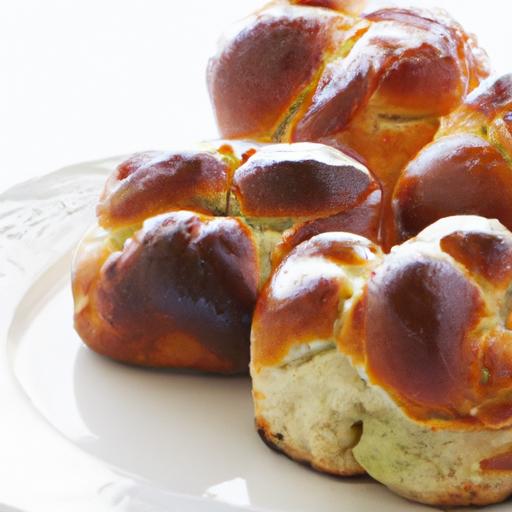

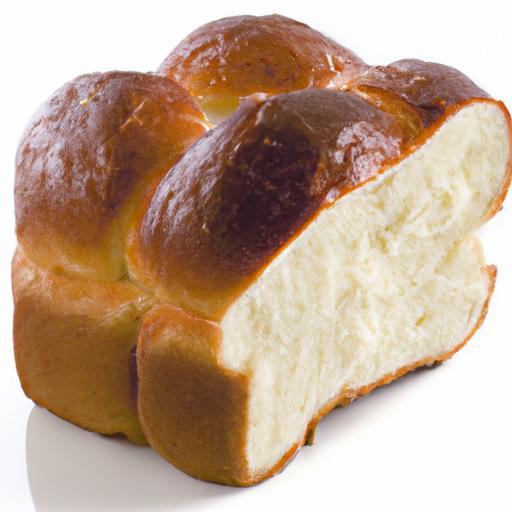
There’s something undeniably enchanting about brioche-the way its golden crust gives way to an airy, buttery interior that melts in yoru mouth. This beloved french bread, rich yet light, carries a centuries-old tradition of craftsmanship and warmth.Whether you’re a seasoned baker or just beginning to explore the world of homemade bread, mastering brioche opens the door to a delightful baking adventure. In this guide, we’ll simplify the process, breaking down the art of brioche into approachable steps that invite you to create this elegant loaf in your own kitchen. Prepare to transform simple ingredients into a sumptuous treat that elevates any meal or moment.
Master the Art of Brioche by diving deep into the essentials of its dough and ingredients, unlocking secrets to achieve the famously light and fluffy texture that sets this bread apart. With its rich butter content and delicate crumb, brioche is more than just bread-it’s a party of French baking finesse that’s both approachable and rewarding.
Prep and cook Time
Preparation: 30 minutes (plus 2-3 hours proofing)
Cooking: 25-30 minutes
Total Time: Approximately 3.5 to 4 hours (including rises)
Yield
One loaf serving about 8 to 10 slices
Difficulty Level
Medium – requires some patience and gentle handling but well worth the effort
Ingredients
- 3 1/2 cups (440g) all-purpose flour, sifted
- 1/4 cup (50g) granulated sugar
- 2 tsp active dry yeast
- 1 tsp fine sea salt
- 4 large eggs, room temperature
- 1/2 cup (120ml) whole milk, warmed (about 110°F/43°C)
- 1 cup (225g) unsalted butter, softened, cut into cubes
- 1 egg yolk (for egg wash)
- 1 tbsp water (to mix with egg yolk for glaze)
Instructions
- Activate the yeast: In a small bowl, combine the warmed milk and yeast. Let it sit 5-7 minutes until foamy,signaling active yeast. This gives bread the perfect rise.
- Mix dry ingredients: In your stand mixer bowl fitted with a dough hook, whisk together the sifted flour, sugar, and salt.
- Add eggs and yeast mixture: Pour in the beaten eggs and the foamy yeast mixture. Start mixing on low speed until a rough dough forms.
- Knead and incorporate butter: Gradually add the softened butter cubes,several pieces at a time,allowing each addition to incorporate fully before adding more. This step takes about 10-15 minutes. The dough will become silky, smooth, and slightly sticky.
- First rise: Transfer the dough to a large,lightly buttered bowl.Cover with plastic wrap or a damp towel. Let it rise in a warm place until doubled in size, about 1.5 to 2 hours.
- Chill the dough: Punch down the dough gently, cover again with plastic, and refrigerate for at least 1 hour or overnight.This step enhances flavor and firm texture, making shaping easier.
- Shape the dough: On a lightly floured surface, divide the chilled dough as desired. For a classic loaf, shape into a tight ball and place in a buttered loaf pan. For brioche à tête, divide into smaller portions and stack inside a fluted mold following customary style.
- second rise: Cover shaped dough with a damp cloth and let it proof until nearly doubled, about 45 minutes to 1 hour at room temperature.
- Egg wash: Preheat your oven to 375°F (190°C). Mix the egg yolk with water and gently brush over the brioche surface, creating a shiny golden finish.
- Bake: Bake the brioche for 25-30 minutes until deep golden brown and a skewer inserted comes out clean. If browning too quickly, tent loosely with foil.
- Cool: Transfer to a wire rack to cool fully before slicing to preserve the tender crumb.
Chef’s Notes and Tips for Success
- Ingredient Quality: Using fresh yeast and high-quality unsalted butter dramatically improves the dough’s rise and richness.
- Butter Temperature: Ensure the butter is soft, but not melted; it should be pliable for smooth incorporation without breaking the dough.
- Kneading Tip: Resist the urge to add too much flour; the dough will be soft and slightly sticky. Use oil or butter on your hands if needed.
- Flavor Variations: Add zest from one lemon or orange for a citrus aroma, or fold in 1/4 cup finely chopped chocolate or dried fruit into the dough at the end of kneading.
- Make-Ahead: after the first rise, refrigerate dough overnight. This slow fermentation develops complex flavors.
- Freeze Storage: Dough can be shaped, flash frozen, then baked from frozen, adding a few minutes to baking time.
Serving Suggestions
Brioche shines when served simply fresh and warm with unsalted butter and honey.For a special treat,use slices for savory French toast topped with smoked salmon and creme fraîche. Its mildly sweet crumb beautifully complements rich pates or fruit preserves.
Garnish with a dusting of powdered sugar or fresh berries for a delicate brunch centerpiece, or use thicker slices for gourmet sandwiches, layered with roasted meats and creamy cheeses.

| Nutrient | Per Serving (1 slice) |
|---|---|
| calories | 180 |
| Protein | 5g |
| Carbohydrates | 22g |
| Fat | 8g |
Embarking on this recipe will deepen your baking repertoire and fill your kitchen with the irresistible aroma of buttery, tender brioche-a perfect testament to patience and care in baking.
For more on enriching your bread skills, explore our Bread baking Basics and discover expert tips that complement your brioche mastery. Also, refer to King Arthur Baking’s brioche guide for additional professional insights.
Q&A
Q&A: Master the Art of Brioche – A Simple Bread Recipe Guide
Q1: What exactly is brioche, and why is it so beloved in the world of baking?
A: Brioche is a rich, buttery French bread characterized by its tender, fluffy crumb and golden crust. Its unique balance of eggs, butter, and yeast creates a slightly sweet, melt-in-your-mouth texture that makes it a favorite for everything from breakfast to decadent desserts.
Q2: Is brioche difficult to make at home for beginners?
A: While brioche does require some patience and technique,it’s far from unfeasible for a beginner. The key lies in attentive kneading to develop gluten and allowing the dough ample rising time. With a bit of practice, anyone can achieve that signature lightness.
Q3: What are the essential ingredients needed for a simple brioche recipe?
A: Basic brioche calls for flour, sugar, salt, eggs, butter, milk, and yeast. Using high-quality butter and fresh eggs really elevates the flavor and texture, while warm milk helps activate the yeast for a perfect rise.
Q4: Can I make brioche without a stand mixer or special equipment?
A: Absolutely! While a stand mixer makes kneading easier, you can knead the dough by hand with some elbow grease. A large bowl, a clean towel, and a warm spot for proofing are all you really need.
Q5: how long should I let the dough rise, and why is this step important?
A: Typically, brioche dough needs about 1 to 2 hours to rise until it doubles in size. This fermentation stage is crucial as it develops flavor and creates the dough’s airy structure. Patience here pays off in a richly textured loaf.
Q6: Any tips for achieving that perfect golden crust on brioche?
A: Brushing the shaped dough with an egg wash before baking is the secret to brioche’s signature sheen and golden color. For extra shine, a double egg wash-before and midway through baking-can be applied.
Q7: How should brioche be stored to maintain freshness?
A: Brioche is best enjoyed fresh but can be stored at room temperature wrapped tightly for up to two days. For longer storage, freezing slices or whole loaves in airtight bags preserves moisture; just thaw at room temperature before serving.Q8: Can brioche dough be flavored or adapted for different recipes?
A: Definitely! Brioche is versatile-the dough can be infused with citrus zest, vanilla, or spices, and used as a base for sweet breads, stuffed rolls, or even savory items like brioche buns. Experimentation is part of the pleasure!
Q9: What common mistakes should bakers avoid when making brioche?
A: Overworking or under-kneading the dough can affect texture, as can rushing the rising process.Using butter that’s too cold or too warm may hamper incorporation, and baking at the wrong temperature can lead to an undercooked or overly browned crust.
Q10: Why is mastering brioche considered an important milestone for bread enthusiasts?
A: Brioche beautifully bridges the gap between bread and pastry, combining technical skill with rich flavor. Mastering it not only expands your baking repertoire but also deepens your understanding of dough dynamics-making it a satisfying and flavorful achievement.
Future Outlook
With each fold and rise, mastering brioche becomes more than just baking-it transforms into a delicate dance of patience and passion. Armed with this simple recipe guide, you’re now ready to bring golden, buttery loaves out of your oven and onto your table. so go ahead, embrace the rhythm of kneading and the magic of yeast, and let the art of brioche elevate your baking journey to new, delicious heights.