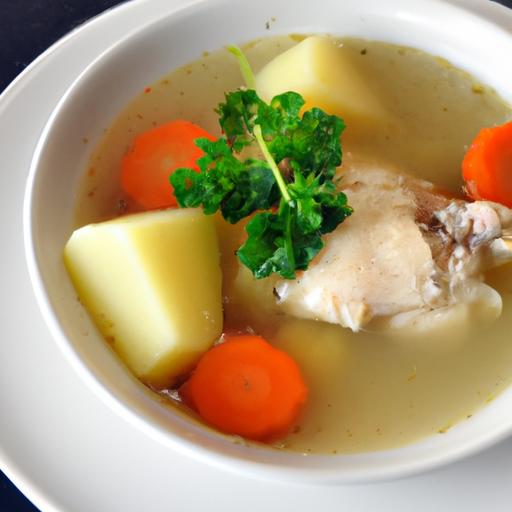

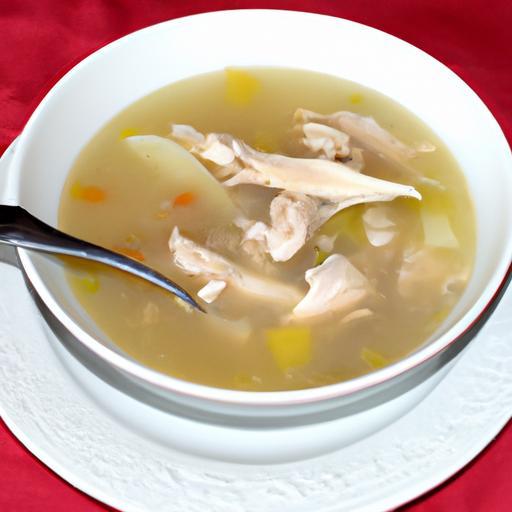
There’s something uniquely comforting about a warm bowl of chicken soup-a timeless classic that has nourished hearts and healed colds for generations. But beyond its reputation as a simple remedy lies a world of rich flavors, aromatic herbs, and satisfying textures that make homemade chicken soup a culinary treasure worth mastering. In this ultimate guide, we’ll take you through every step to create the best chicken soup from scratch, blending tradition with thoughtful tips and techniques. Whether you’re a seasoned cook or a curious beginner, this recipe promises a bowl of warmth and goodness that’s as comforting as it is indeed flavorful.
The Ultimate Guide to the best Homemade Chicken Soup Recipe begins with selecting top-quality ingredients that promise maximum flavor and wholesome nutrition. Starting with fresh, free-range chicken ensures a richer broth and a comforting depth that elevates this classic dish beyond simple home cooking. Combining crisp, garden-fresh vegetables with aromatic herbs creates a symphony of flavors perfect for healing the body and soul.
Prep and Cook time
- Preparation: 20 minutes
- Cooking: 2 hours
- Total: 2 hours 20 minutes
Yield
Serves 6 hearty portions
Difficulty Level
Medium – Perfect for those ready to master a cozy,slow-cooked broth
Ingredients
- 1 whole free-range chicken (about 3-4 pounds),cleaned and rinsed
- 2 large carrots,peeled and cut into chunks
- 2 celery stalks,chopped
- 1 large yellow onion,peeled and quartered
- 4 garlic cloves,smashed
- 1 parsnip,peeled and sliced (optional)
- 1 bay leaf
- 1 teaspoon whole black peppercorns
- 1 bunch fresh parsley,tied in a bundle
- 1-2 sprigs fresh thyme
- Salt to taste
- Freshly ground black pepper,for finishing
- 4-6 cups filtered water (enough to cover the chicken)
- 2 cups egg noodles or your preferred pasta (optional)
Instructions
- Prepare the chicken and vegetables. rinse the chicken under cold water and pat dry. Trim any excess fat. Chop your vegetables as noted.
- Build the broth base. Place the whole chicken into a large heavy-bottomed pot. Add the carrots, celery, onion, garlic, parsnip, bay leaf, peppercorns, and fresh herbs. Pour in filtered water until the chicken is just covered, about 4-6 cups.
- Bring to a gentle boil over medium heat. Once bubbles rise, reduce the heat to low to maintain a gentle simmer. Avoid a rolling boil to prevent cloudy broth and overly tough meat.
- simmer uncovered for 90 to 120 minutes. Skim off any foam or impurities that rise to the surface every 15-20 minutes for clarity and clean flavor.
- Remove the chicken carefully. Using tongs or a slotted spoon, set the chicken aside on a platter to cool slightly.
- Strain the broth. Pour the broth through a fine mesh sieve or cheesecloth into a clean pot to remove vegetable solids and herbs, ensuring a smooth, comforting liquid.
- Debone and shred the chicken meat. Remove skin and bones, then shred the chicken into bite-sized pieces. Reserve the meat.
- Add optional pasta or vegetables. Return broth to a gentle simmer and add egg noodles or any preferred soup additions.Cook according to package instructions until tender.
- reintroduce the shredded chicken. Stir into the broth to heat through.Season with salt and freshly cracked black pepper to taste. Adjust herb quantities if desired.
- Serve instantly. Ladle hot soup into bowls, garnishing with freshly chopped parsley or a sprinkle of fresh thyme leaves for an herbaceous lift.
Chef’s Notes and tips for Success
- Choosing Your Chicken: Opting for a free-range or organic bird greatly enhances flavor and nutrient density, enriching your homemade chicken soup recipe.
- Simmer Slowly: Patience is key-maintain a gentle simmer rather than a rapid boil to keep the broth clear and the chicken tender.
- customizing Texture: For a heartier soup, add diced potatoes or a handful of pearl barley during the last 30 minutes of cooking.
- Herb Variations: Try rosemary or marjoram for subtle, aromatic twists.
- Make-Ahead: Soup flavors deepen when made a day ahead-store in an airtight container in the fridge for up to 3 days or freeze for longer preservation.
- Boost Nutrition: Include kale or spinach at the end of cooking to add vibrant color and extra vitamins.
- Gluten-Free Option: Replace noodles with spiralized zucchini or rice for a gluten-free bowl.
Serving Suggestions
Present your chicken soup in rustic bowls, topped with a scattering of fresh parsley or a few sprigs of thyme. A squeeze of lemon juice brightens the broth and awakens the palate. Serve with crusty whole-grain bread or homemade garlic croutons to complete this soul-warming meal. For an authentic touch, add a dollop of sour cream or a drizzle of extra virgin olive oil just before serving.

| Nutrient | Per Serving |
|---|---|
| Calories | 220 kcal |
| Protein | 25 g |
| Carbohydrates | 8 g |
| Fat | 6 g |
Expand your culinary skills by exploring our Ultimate Guide to Homemade Vegetable Soups for vibrant variations that complement your chicken soup. For deeper insights into the benefits of slow-simmered broths, visit Healthline’s expert article on broth nutrition.
Q&A
Q&A: The Ultimate Guide to the Best Homemade Chicken Soup Recipe
Q: What makes homemade chicken soup better than store-bought or canned versions?
A: Homemade chicken soup offers a personalized, fresh flavor that store-bought versions often lack.You control the quality of ingredients, seasoning, and cooking time, resulting in a richer broth, tender chicken, and vibrant vegetables.Plus, it’s free from preservatives and excessive sodium.
Q: What are the essential ingredients for the best homemade chicken soup?
A: At its core,you need fresh chicken (preferably bone-in for broth depth),aromatic vegetables like onions,carrots,and celery,garlic,herbs such as thyme and parsley,and a good-quality chicken stock or water. Salt and pepper are key, but feel free to add bay leaves or a squeeze of lemon for brightness.
Q: How do I achieve a rich and flavorful broth?
A: Start by roasting or browning the chicken pieces to deepen flavor. simmer the chicken slowly with vegetables and herbs – patience is key here. Skim off any foam or impurities from the surface to keep the broth clear. Simmering low and slow allows collagen to melt, creating a silky texture.
Q: Should I use whole chicken, pieces, or leftovers?
A: Whole chickens provide the most flavorful, gelatin-rich broth due to bones and skin, but chicken parts like thighs and wings work well too. using leftover cooked chicken speeds up the process but may sacrifice broth richness if you don’t make it from scratch.
Q: How can I make the soup healthier without sacrificing flavor?
A: opt for skinless chicken to reduce fat, add plenty of fresh vegetables for nutrients, and skip added salt by seasoning lightly and adjusting at the end. Use homemade stock with no added preservatives, and incorporate herbs and spices to boost flavor naturally.
Q: What variations can I try to customize my chicken soup?
A: Consider adding noodles,rice,or dumplings for heartiness. Swap herbs like rosemary or dill, toss in diced tomatoes or squash for seasonal flair, or add a touch of ginger and turmeric for a warm, spicy twist. The beauty of homemade soup is its adaptability.Q: How long can I store homemade chicken soup,and how do I reheat it best?
A: Homemade chicken soup lasts about 3-4 days refrigerated and up to 3 months frozen. Reheat gently on the stove over low heat to preserve texture and flavor; avoid boiling as it can toughen the chicken and overcook vegetables.
Q: Is chicken soup effective as a cold remedy?
A: While not a cure, warm chicken soup can soothe a sore throat, ease congestion, and provide hydration and nutrition when you’re unwell. Its steam and warmth offer comfort,and the nutrients support your immune system.
Q: Any tips for making chicken soup less time-consuming?
A: Use a pressure cooker or slow cooker to cut down on active cooking time. Pre-chop vegetables or use frozen mixes to speed prep. Alternatively, prepare large batches and freeze portions for rapid meals.
Q: Can I make chicken soup vegetarian or vegan?
A: For a vegetarian or vegan version, skip the chicken and use hearty vegetables like mushrooms, lentils, or tofu for protein, and vegetable broth instead of chicken stock. Enhance flavor with miso, soy sauce, or smoked paprika.
This Q&A unpacks the secrets to crafting the ultimate homemade chicken soup-rich, comforting, and tailored to your taste. Whether it’s a soul-soothing remedy or a cozy family dinner, mastering these fundamentals guarantees a bowl worth savoring.
Final Thoughts
As the final spoonful of your homemade chicken soup warms both body and soul, you’ll realize that this is more than just a recipe-it’s a comforting ritual, a timeless embrace in a bowl. Whether you’re seeking nourishment on a chilly evening or a simple way to show care,this guide has equipped you with everything needed to create the ultimate chicken soup at home. Now, it’s your turn to stir in a pinch of love, a dash of patience, and a sprinkle of your own personality. Here’s to cozy moments and the delicious art of homemade warmth.