
In the world of culinary delights, sometimes the simplest elements hold the greatest power. Among dressings,the classic vinaigrette stands as a timeless emblem of elegance and versatility-a harmonious blend of oil and vinegar that can transform the ordinary into the extraordinary. Mastering the art of a simple vinaigrette is not just about combining ingredients; it’s about understanding balance, texture, and flavor in their purest forms. This article invites you to explore the foundations of this quintessential dressing, offering insights and techniques to elevate yoru salads and dishes with effortless sophistication.
Mastering the art of a Simple, classic Vinaigrette Dressing: Understanding Essential Ingredients and Techniques
Mastering the art of a simple, classic vinaigrette dressing opens a world of bright, balanced flavors that can elevate any salad, roasted vegetable, or grilled protein. This timeless dressing began in french kitchens as an elegant way to bring harmony between oil and acid, turning ordinary dishes into culinary delights. As both a culinary content creator and food stylist, I have found that the key to a perfect vinaigrette lies not only in the right ingredients but also in an intuitive technique that creates a smooth, emulsified texture bursting with fresh, subtle layers.
Prep and Cook Time
Preparation time: 5 minutes
Cook time: 0 minutes
Yield
Approximately ½ cup (enough for 4 servings)
Difficulty Level
Easy
Ingredients
- 3 tablespoons extra virgin olive oil – rich and fruity for depth
- 1 tablespoon white wine vinegar – crisp and clean acidity
- 1 teaspoon Dijon mustard – essential emulsifier and tang
- 1 small garlic clove,finely minced – subtle pungency
- 1 teaspoon honey or maple syrup – delicate sweetness to balance acid
- Salt to taste (about ½ teaspoon kosher salt)
- Freshly ground black pepper to taste
- 1 tablespoon finely chopped fresh herbs such as parsley,chives,or tarragon (optional)
Instructions
- combine the acid and mustard: In a small mixing bowl,whisk together the white wine vinegar,Dijon mustard,honey,and minced garlic until fully blended.Mustard acts as a natural emulsifier,creating the perfect base for your vinaigrette.
- Slowly drizzle in the olive oil: While whisking continuously, gradually pour in the extra virgin olive oil. Taking your time ensures the oil and vinegar emulsify smoothly, resulting in a luscious, creamy dressing rather than a separated one.
- Season thoughtfully: Add salt and freshly ground black pepper to taste. Start with less-you can always adjust after tasting.
- Incorporate fresh herbs: Stir in your choice of finely chopped herbs to introduce fragrant, bright notes that elevate the classic vinaigrette with subtle complexity.
- Rest before serving: Let the vinaigrette sit for at least 10 minutes at room temperature to allow flavors to meld harmoniously.
Tips for Success
- Choose the right oil and vinegar: The quality of olive oil and vinegar dramatically impacts the final taste. Opt for a fruity, cold-pressed extra virgin olive oil and a mild vinegar like white wine or champagne vinegar for balanced acidity.
- Perfect the emulsion: whisk briskly but steadily,or use a small jar with a tight lid to shake vigorously until thick and glossy.
- Customize sweetness and acidity: Adjust honey and vinegar quantities to taste; some vinegar types are more acidic, requiring a bit more sweetness to balance.
- Add aromatics smartly: Fresh garlic can be substituted with finely grated shallot for more delicate sharpness.
- Make-ahead tip: Store vinaigrette in an airtight jar for up to 3 days in the refrigerator. Whisk or shake before each use as separation is natural.
Serving Suggestions
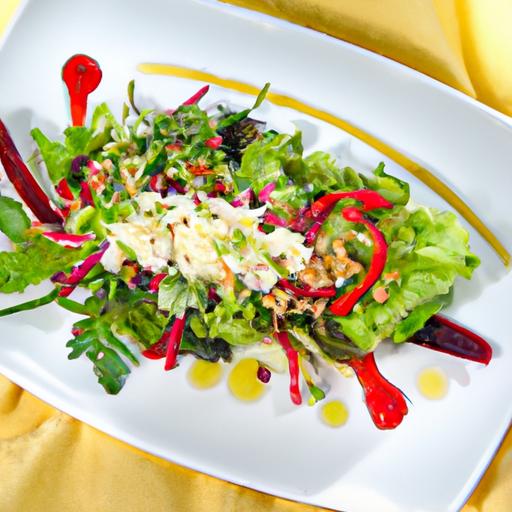
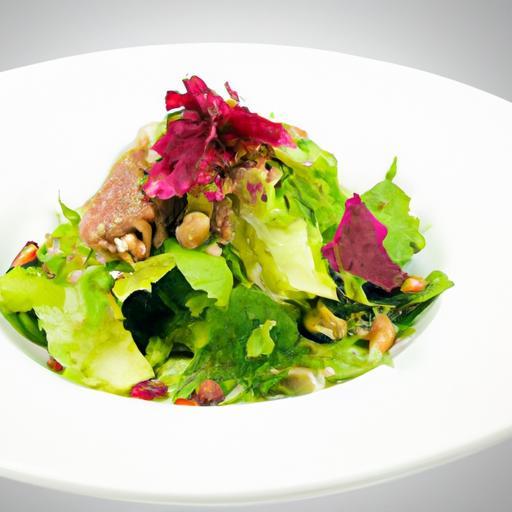
use this vinaigrette to dress crisp mixed greens or a simple arugula salad with shaved Parmesan and toasted pine nuts. Drizzle over steamed asparagus or roasted fingerling potatoes to add vibrant brightness. For an elegant plate, toss seasonal heirloom tomatoes with fresh basil and this dressing, then garnish with a sprinkle of flaky sea salt and cracked pepper. The fresh herbs in the vinaigrette will integrate beautifully, enhancing every bite.

| Nutrient | Amount per 1 Tbsp Serving |
|---|---|
| Calories | 80 |
| Protein | 0.1 g |
| Carbohydrates | 1.0 g |
| Fat | 9 g (mostly healthy fats) |
Discover more recipes that complement your vinaigrette by visiting our Fresh Salad Recipes collection. For an in-depth understanding of vinegar varieties and their culinary uses, visit The Culinary Institute’s Vinegar Guide.
Q&A
Q&A: Mastering the Art of a Simple, Classic Vinaigrette Dressing
Q: What exactly is a vinaigrette?
A: at its core, a vinaigrette is a harmonious blend of oil and acid-usually vinegar or citrus juice-emulsified together to create a light, tangy dressing. It’s the timeless cornerstone of countless salads and a versatile sauce for vegetables, proteins, and grains.
Q: Why is the classic vinaigrette considered a kitchen essential?
A: as it’s elegant in its simplicity. A well-made vinaigrette elevates everyday ingredients with minimal effort, transforming a dull salad into something vibrant and flavorful. Plus, it’s infinitely customizable.
Q: What is the basic ratio for vinaigrette?
A: The golden rule is 3 parts oil to 1 part acid. This ratio balances richness with acidity, ensuring the dressing is bright but smooth. However, feel free to adjust to taste and specific ingredients.
Q: Which oils work best in a vinaigrette?
A: Extra virgin olive oil is a classic choice for its robust flavor, but mild oils like grapeseed or avocado oil shine when you wont a subtler base.Toasted nut oils can also add a delightful twist.
Q: What types of acids are suitable?
A: Traditional vinegars such as red wine, white wine, apple cider, and sherry are popular options. Citrus juices-lemon, lime, or even grapefruit-offer a fresh, vibrant acidity that can brighten the dressing.Q: How do you properly emulsify a vinaigrette?
A: Emulsification is the magic that binds oil and acid together. Whisk vigorously by hand, shake vigorously in a jar, or use a blender. Incorporating a bit of Dijon mustard or honey can help stabilize the emulsion.
Q: Can you add flavor enhancers to a vinaigrette?
A: Absolutely. Salt and freshly ground pepper are essentials. Garlic, shallots, herbs, honey, mustard, or even a pinch of sugar can add layers of depth. The key is balance-each addition should complement, not overpower.
Q: How should vinaigrette be stored?
A: Store in an airtight container in the refrigerator.Because oil solidifies when cold, bring it back to room temperature and shake well before serving.Use within a week for optimal freshness.
Q: What common mistakes should be avoided?
A: Avoid overpowering the vinaigrette with too much acid or salt. Also, don’t neglect emulsification; without it, your dressing will separate quickly. Lastly, always taste and tweak-the perfect vinaigrette is a personal expression.
Q: Beyond salads, where else can a vinaigrette be used?
A: Vinaigrettes are surprisingly versatile-use them as marinades for grilled vegetables or meats, drizzles over roasted potatoes, or even as a light sauce for grain bowls. This simple dressing unlocks endless culinary creativity.
the Way Forward
As you step away from the whisk and embrace the elegant simplicity of a classic vinaigrette, remember that mastery lies not in complexity but in balance. This timeless dressing is more than just a sauce-it’s a foundation, a blank canvas inviting your personal touch. Whether drizzled over fresh greens, roasted vegetables, or a hearty grain bowl, the humble vinaigrette continues to elevate dishes with effortless grace. so go ahead, experiment with your favorite oils, vinegars, and seasonings, and let your palate guide you to a dressing that feels uniquely yours. In mastering this art, you unlock the secret to turning everyday meals into something unexpectedly extraordinary.