
There’s something timeless about biting into a tender, juicy ear of corn on the cob-its natural sweetness and satisfying snap a simple pleasure that transcends seasons and celebrations. Yet, achieving that perfect balance of softness and flavor doesn’t have to be elaborate or time-consuming. In this quick guide, we’ll peel back the layers of boiled corn preparation, revealing a perfectly simple method that lets the natural goodness shine through. Weather you’re a kitchen novice or a seasoned cook, this straightforward approach will have you savoring the essence of summer in every bite.
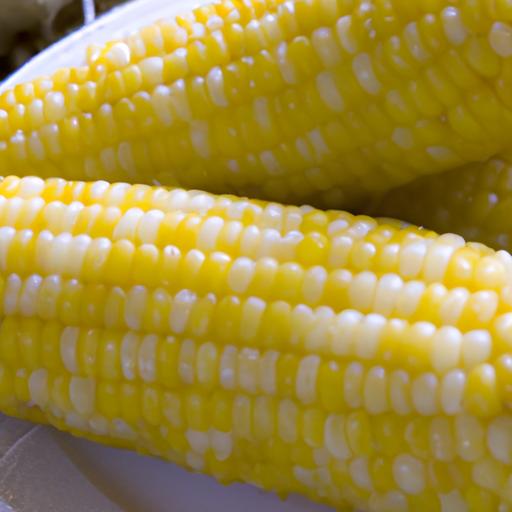
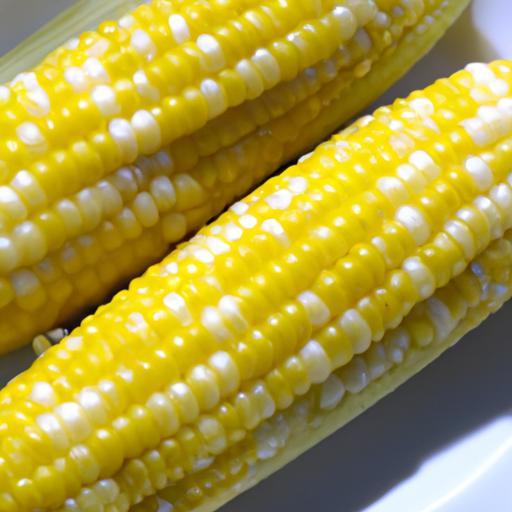
Perfectly Simple Boiled Corn on the Cob bursts with sweet,tender kernels that sing of summer’s bounty. The magic starts with selecting fresh corn, where the plumpness of the kernels and the silken tassels promise juicy, sweet bites. Whether you’re prepping corn for a casual barbecue or a family dinner, the technique of boiling may seem straightforward but mastering it is essential to highlight corn’s natural sweetness and freshness effortlessly.
Prep and Cook Time
- Preparation: 5 minutes
- Cooking: 8-10 minutes
- Total time: 15 minutes
Yield
serves 4 people
Difficulty Level
easy
Ingredients
- 4 ears fresh corn on the cob, husked and silk removed
- 4 quarts water
- 1 tablespoon salt (optional)
- 2 tablespoons unsalted butter (for serving)
- Fresh cracked black pepper (optional garnish)
- Chopped fresh herbs (such as parsley or cilantro, optional)
Instructions
- Choose vibrant corn: Pick ears with bright green husks, moist silks, and plump kernels visible through the husk. freshness is key to sweetness-corn starts losing sugar to starch soon after harvest.
- Prepare your pot: Fill a large pot with 4 quarts of water. Add 1 tablespoon of salt if desired to season the corn during cooking; this also slightly enhances kernel sweetness.
- bring to a boil: Heat the water over high until it reaches a rolling boil-this is crucial to avoid soggy kernels.
- boil the corn: Gently add the ears to the boiling water, cover the pot, and return to a boil. Once boiling, reduce heat to medium and let it cook uncovered for 8 minutes. Avoid overcooking to maintain tender juiciness.
- Drain and serve: Use tongs to remove corn and briefly let it cool before buttering. The ears should glisten with juicy,tender kernels that yield easily to a bite.
- Enhance the experience: Smear with butter and sprinkle freshly cracked black pepper or chopped herbs for a burst of freshness and color.
Tips for Success
- Freshness matters: Shop for corn early in the day or buy directly from farmers’ markets during peak season for the sweetest taste.
- Don’t skip husking: Husk corn just before boiling to preserve moisture and sweetness.
- Avoid simmering: High heat boiling locks sweetness inside the kernels; low heat makes corn tough and chewy.
- Flavor variations: Infuse boiling water with a few peppercorns or a slice of lemon for subtle aromatics.
- Make-ahead tip: Boiled corn can be refrigerated and gently reheated in the microwave wrapped in damp paper towels.
Serving Suggestions
Serve your perfectly boiled corn on the cob with an array of simple, complementary flavors. Classic melted butter is unbeatable, but consider a sprinkle of smoked paprika or squeeze of lime for a zesty twist. Pair with fresh tomato salad or grilled meats for a vibrant summer meal. Garnish with chopped parsley or crumbled cotija cheese for festive flair. Arrange on a rustic wooden board with lemon wedges on the side for an inviting presentation that beckons guests to dig right in.

| Nutrient | Per Serving |
|---|---|
| Calories | 110 kcal |
| Protein | 3 g |
| Carbohydrates | 26 g |
| Fat | 4.5 g (from butter) |
For a deeper dive on how to elevate your corn recipes and other vegetable preparations, explore our Seasonal Vegetables Guide. To learn more about corn’s nutritional benefits, visit the USDA Food Database.
Q&A
Q&A: Perfectly Simple Boiled Corn on the Cob – A Quick Guide
Q1: What’s the secret to perfectly boiled corn on the cob?
A1: The secret is simplicity.fresh corn, plenty of water, and a good boil. No need to complicate-just bring salted water to a rolling boil, add the husked corn, and cook until tender, usually around 4-6 minutes.
Q2: Should I add anything to the boiling water?
A2: While plain water works just fine, a pinch of salt enhances the natural sweetness. Some people swear by adding a splash of sugar to boost flavor, but avoid butter or oil in the water-it can make the kernels tough.
Q3: How do I know when the corn is done?
A3: Corn cooks quickly. When the kernels turn bright yellow and are tender when pierced with a fork, it’s ready. Typically, 4-6 minutes of boiling is perfect-overcooking can lead to chewy kernels.
Q4: Can I use frozen corn on the cob for boiling?
A4: Absolutely! frozen corn on the cob can be boiled straight from the freezer-just add a couple of extra minutes to the cooking time. No need to thaw first.
Q5: What’s the best way to serve boiled corn on the cob?
A5: Classic and simple is hard to beat: a smear of butter,a sprinkle of salt,and maybe a dash of black pepper. For a twist, try a squeeze of lime juice or a dusting of smoked paprika.
Q6: Any tips for making boiled corn more exciting?
A6: Experiment with toppings and seasonings: garlic herb butter, chili-lime powder, or grated parmesan can turn the humble cob into a flavor sensation. Don’t be afraid to get creative!
Q7: How do I store leftover boiled corn on the cob?
A7: Let the corn cool, then wrap tightly in plastic wrap or place in an airtight container. Refrigerate and consume within 1-2 days for the best texture and flavor.
With this quick guide, boiling corn on the cob becomes a no-fuss, tasty tradition-perfect for any meal or snack. Enjoy that sweet, juicy crunch whenever you crave it!
In Summary
And there you have it-a perfectly simple way to enjoy boiled corn on the cob that brings out its natural sweetness with minimal effort. Whether it’s a quick weeknight side or the star of your summer cookout, this easy method ensures tender, juicy kernels every time.So next time corn is calling your name, remember: sometimes, the simplest approach leads to the most satisfying bite. Happy cooking!