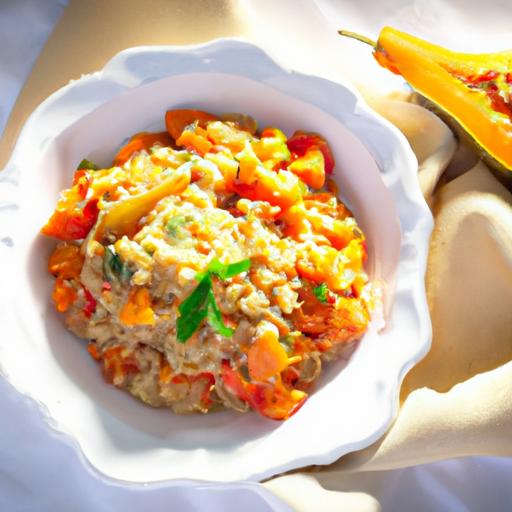

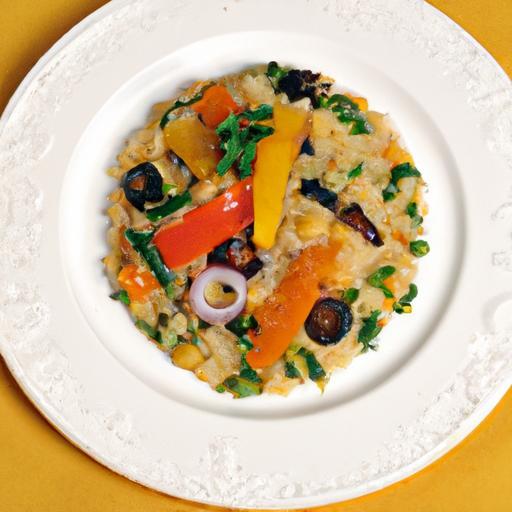
Beneath its humble appearance lies a story woven through centuries and continents-couscous, a simple grain that has transcended borders and cultures to become a beloved staple worldwide. From the sun-drenched kitchens of North Africa to contemporary dining tables across the globe, couscous carries with it a legacy of tradition, adaptation, and culinary creativity. This article embarks on a journey to uncover the origins, evolution, and global embrace of couscous, revealing how this timeless grain continues to connect diverse communities through the global language of food.
Couscous uncovered reveals an extraordinary journey of one of the world’s most enduring grains. Originating in the Maghreb region of North Africa, this delicate, steamed grain has long been a staple for Berber communities, celebrated for its versatility and cultural symbolism. Over centuries, couscous has transcended borders, weaving itself into culinary tapestries across Europe, the Middle East, and even the Americas. Whether served traditionally with slow-cooked tagines or reimagined in contemporary bowls and salads, couscous remains a canvas of global flavors and heritage.
Prep and Cook Time
Preparation: 10 minutes | Cooking: 15 minutes | Total Time: 25 minutes
Yield
Serves 4 as a main or 6 as a side dish
Difficulty Level
Easy - perfect for both novice cooks and seasoned food lovers
Ingredients
- 1 ½ cups fine couscous (preferably Moroccan style)
- 1 ⅓ cups boiling water or low-sodium vegetable broth
- 2 tbsp extra virgin olive oil
- ½ tsp fine sea salt
- 1 tsp ground cumin (optional for warmth)
- 2 tbsp toasted slivered almonds or pine nuts
- 1 tbsp chopped fresh parsley or cilantro for garnish
- Freshly ground black pepper,to taste
Instructions
- Prepare the couscous. Place the couscous in a large heatproof bowl. Add the sea salt and ground cumin,if using. Stir to distribute evenly.
- Pour boiling liquid. Carefully pour the boiling water or vegetable broth over the couscous. Drizzle 1 tablespoon of olive oil on top.
- Cover and steam. Promptly cover the bowl tightly with a lid or plastic wrap. Let it steam undisturbed for 10 minutes, allowing the grains to absorb all the liquid.
- Fluff the grains. Remove the cover,and with a fork,gently fluff the couscous to separate the grains,preventing clumps and fostering a light texture.
- Toast the nuts. In a dry skillet over medium heat, toast the slivered almonds or pine nuts until golden and fragrant-about 3-4 minutes.Stir constantly to avoid burning.
- Combine and season. Fold the toasted nuts and the remaining tablespoon of olive oil into the fluffed couscous. Adjust seasoning with black pepper or more salt if needed.
- Garnish and serve. Sprinkle fresh parsley or cilantro over the top. Serve warm as a centerpiece or alongside your favorite dishes.
Tips for Success
- Selecting couscous: Moroccan couscous grains are smaller and fluffier, while Israeli (pearl) couscous is larger and chewier. Choose based on your dish style.
- For added flavor: Use broth rather of water or infuse your liquid with saffron, turmeric, or a pinch of cinnamon.
- Steaming option: For authentic texture, steam couscous twice using a couscoussier pot.
- Make-ahead: Cooked couscous keeps well refrigerated for up to 3 days and can be quickly reheated with a splash of water or broth.
- Texture tweak: If couscous feels dry after fluffing, add a teaspoon of olive oil or a pat of butter and fold gently.
Serving Suggestions
- Serve as the base for a vegetable tagine garnished with preserved lemons and olives for an authentic North African experience.
- Mix with roasted vegetables, chickpeas, and a zesty lemon-tahini dressing for a refreshing modern bowl.
- Pair warm couscous with grilled fish or spiced lamb kebabs for a balanced, flavorful meal.
- top with fresh herbs, pomegranate seeds, and a drizzle of harissa for a bold, colorful dish perfect for entertaining.
| Nutrient | amount per Serving |
|---|---|
| Calories | 210 kcal |
| Protein | 6 g |
| Carbohydrates | 43 g |
| Fat | 4.5 g |
For deeper insight into couscous’s nutritional benefits, explore our related article on whole grains and their health effects. To learn more about couscous’s heritage and cultural importance, the Encyclopaedia Britannica provides excellent background data.

By mastering the simple yet flavorful art of preparing couscous,you unlock a world of culinary possibilities were tradition meets innovation. This timeless grain continues to inspire kitchens worldwide, proving that great food transcends time and culture.
Q&A
Q&A: Couscous Uncovered – A Timeless Grain’s Global Journey
Q1: What exactly is couscous?
A1: Couscous is a type of small, steamed granule traditionally made from semolina wheat. It resembles tiny pearls and serves as a versatile base for numerous dishes, absorbing flavors while offering a light, fluffy texture. Often mistaken as a grain itself, couscous is actually a form of pasta, deeply rooted in North African cuisine.
Q2: Where did couscous originate?
A2: Couscous’s origins trace back centuries to the Maghreb region of North Africa, encompassing modern-day Morocco, Algeria, Tunisia, and Libya. Its creation is believed to be a resourceful solution by Berber communities, transforming semolina into nourishing morsels that could be steamed quickly and paired with seasonal ingredients.
Q3: How has couscous traveled beyond North Africa?
A3: Over time,couscous journeyed through trade routes,colonial influences,and migration patterns,embedding itself into Mediterranean,Middle Eastern,and even European kitchens. Today, it appears in diverse culinary contexts-from Italian salads to French bistro menus-each culture adapting its preparation and pairings.Q4: What makes couscous culturally notable?
A4: Couscous is more than food; it’s a communal symbol. In many North African cultures, preparing and sharing couscous signifies hospitality, celebration, and family unity. Its preparation frequently enough involves ritualistic steaming methods passed down through generations, reflecting heritage and identity.
Q5: Are there different types of couscous?
A5: Yes, couscous comes in various sizes and textures. Traditional couscous is very fine, while “medium” or “large” (also called pearl couscous, Israeli couscous, or ptitim) offers a chewier bite. Additionally, couscous can be made from other grains like millet or barley in different regions, each crafting unique flavors and textures.
Q6: how is couscous typically prepared?
A6: Traditionally, couscous is steamed multiple times over a simmering stew or broth, allowing it to fluff up and soak in aroma. In modern kitchens, instant couscous offers a quicker route-simply soaked in hot water or broth until tender. It’s then combined with vegetables, meats, spices, or served as a simple side.
Q7: Why is couscous considered a timeless grain?
A7: Couscous’s longevity stems from its adaptability, ease of preparation, and the cultural bonds it fosters.Its simple base carries infinite possibilities-from humble home meals to elegant plates-continually reinvented while honoring its ancient roots.Q8: Can couscous be part of a healthy diet?
A8: absolutely.Couscous is low in fat and a good source of carbohydrates and some protein. Whole wheat couscous adds fiber and nutrients, making it a beneficial addition to balanced diets. Pairing it with vegetables and lean proteins creates wholesome, nourishing meals.
Q9: How does couscous reflect global culinary fusion?
A9: Couscous’s journey embodies the mingling of cultures. As chefs worldwide incorporate it with local ingredients-think spicy African stews, Mediterranean herbs, or even Asian flavors-it becomes a delicious metaphor for globalization and culinary creativity.
Q10: What’s the best way to experience couscous’s heritage at home?
A10: To honour couscous’s roots, try preparing it with traditional North african spices like cumin, coriander, and cinnamon.Pair it with slow-cooked tagines or roasted vegetables. Embrace the communal spirit by sharing the meal with friends or family, turning dining into a celebration of history and connection.
The Conclusion
As we close the chapter on couscous’s rich and winding journey, it becomes clear that this humble grain is far more than a simple staple. From the sunbaked kitchens of North Africa to the bustling tables of global cities,couscous carries with it stories of tradition,adaptation,and connection. Its timeless nature reminds us that food is not just nourishment-it is a bridge across cultures and generations, inviting us all to savor the shared heritage packed into every fluffy, golden grain.