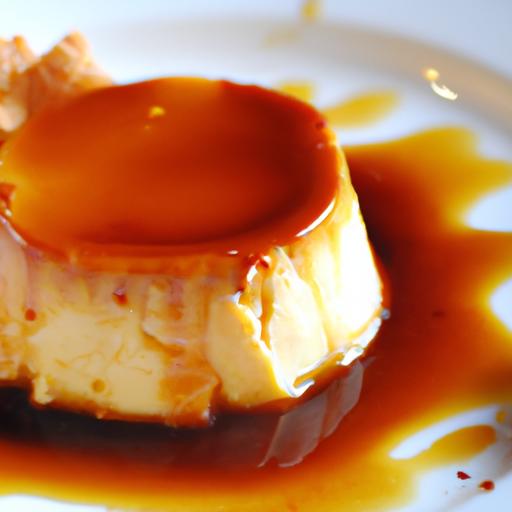

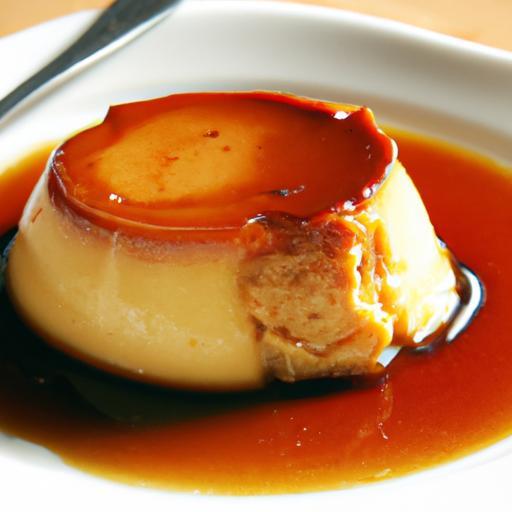
In the world of desserts, few confections spark as much delightful debate as the creamy, caramel-topped treats known as Crème Caramel and Flan.At first glance, these sweet delights may appear strikingly similar-both boasting a luscious custard base draped in a golden caramel glaze-but beneath the glossy surface lies a story of subtle differences and rich culinary traditions.This article dives into the nuanced world of Crème Caramel and Flan, unraveling the origins, textures, and flavors that set these beloved desserts apart, inviting you to savor the sweet debate with an open palate and a curiosity for classic sweets.
Crème Caramel vs Flan is a subtle yet fascinating culinary conversation, rooted in centuries of tradition and regional adaptation. Both desserts share a charmingly similar silhouette-a smooth, creamy custard with a glossy caramel topping-yet they diverge in origin, texture, and flavor nuance. Understanding these differences not only enriches the tasting experience but empowers you to masterfully create and customize these classic sweets in your own kitchen.
Prep and Cook Time
- Preparation: 20 minutes
- Cooking: 45 minutes
- Cooling/Chilling: 3 hours (minimum)
Yield
Serves 6 elegantly portioned desserts.
Difficulty Level
Medium – requires attention to gentle cooking and caramel handling.
Ingredients
- Caramel: 1 cup granulated sugar
- Custard:
- 4 large whole eggs
- 2 large egg yolks
- 2 cups whole milk
- 1 cup heavy cream
- 2/3 cup granulated sugar
- 2 teaspoons pure vanilla extract
Instructions
- Prepare the caramel: Using a heavy-bottomed saucepan, melt 1 cup granulated sugar over medium heat. Swirl the pan gently-avoid stirring-to ensure even melting.Once it turns a deep amber color, immediately pour it into the base of your ramekins or flan mold, swirling to coat evenly. Set aside to harden.
- Heat the liquids: In a separate saucepan,combine whole milk and heavy cream,heating just until steaming-avoid boiling to maintain creaminess and prevent curdling.
- Mix custard base: In a mixing bowl, whisk together whole eggs, egg yolks, and 2/3 cup granulated sugar until pale and slightly thickened. Slowly add the warm milk-cream mixture in a steady stream, whisking continuously to temper the eggs.
- Add vanilla: Stir in 2 teaspoons pure vanilla extract for that iconic aromatic warmth.
- Strain and pour: For the silkiest texture, strain the custard through a fine mesh sieve into a large measuring cup or bowl. carefully pour the custard over the set caramel in each ramekin.
- Bain-marie bake: Place ramekins in a deep roasting pan. Fill the pan with hot water until it reaches halfway up the sides of the ramekins,creating a gentle water bath. Bake at 325°F (160°C) for 40-45 minutes, or until the custard is just set-slight jiggle in the center is desired.
- cool and chill: Remove ramekins from bath, allow to cool to room temperature, then refrigerate at least 3 hours or overnight for full flavor growth and firmer texture.
- Unmold with care: Run a thin knife or offset spatula around the edges, invert onto a serving plate, and watch the luscious caramel cascade over the custard.
Origins and Traditions Behind Crème Caramel and Flan
The lineage of Crème Caramel vs Flan intertwines European finesse with Latin American flair. crème caramel boasts French origins dating back to the 17th century, crafted as a delicate, egg-rich custard crowned with a bittersweet caramel glaze. In contrast, flan, deeply embedded in Spanish and Latin American culinary cultures, introduces variations like sweetened condensed milk or cinnamon, reflecting regional tastes. Historically, both desserts symbolized indulgence and refinement, often reserved for special occasions or festive gatherings.Whether served in a parisian bistro or a vibrant Mexican family dinner, the essence lies in the harmonious balance between creamy custard and rich caramel.
Key Ingredients and Flavor profiles Explored
While similar on the surface, the subtle differences in ingredients highlight what sets Crème Caramel vs Flan apart. Crème caramel predominantly relies on fresh whole milk and cream,embodying a mellow,custardy sweetness with shining vanilla notes. Flan frequently enough incorporates sweetened condensed milk or evaporated milk, lending a denser, richer mouthfeel and a nuanced caramel overtone. Additionally, flan recipes sometimes infuse cinnamon or citrus zest, adding aromatic complexity. The caramel’s flavor itself varies by cooking time; a lighter caramel offers delicate sweetness, while a darker, deeper caramel introduces subtle bitterness, cleverly counterbalancing the custard’s richness.
Textural Differences That Define Each Dessert
Texture plays a starring role in distinguishing Crème Caramel vs Flan. Crème caramel typically exhibits a smooth, tender custard that lightly jiggles-airy yet dense enough to hold shape-creating a pleasant melt-in-the-mouth sensation. Flan tends to be firmer and creamier, frequently enough owing to the condensed milk’s higher sugar and milk solids content. The caramel layer in both should be silky and glossy but can vary; flan’s caramel might be slightly thicker due to regional preparation methods. Recognizing these textural nuances empowers you to tailor your dessert to preferred creaminess or firmness.
Expert Tips for Perfecting Your Own Crème Caramel and flan
- Caramel control: Monitor sugar melting closely; overshooting your caramel temperature results in bitterness, while undercooking leads to weak flavor and graininess.
- Temper gently: Always warm the milk mixture before whisking into the eggs to avoid scrambling.
- Bain-marie baking: The water bath ensures even cooking and prevents the custard’s surface from cracking or drying out-maintain a steady water level.
- Strain custard: This simple step makes a remarkably smooth texture by removing any coagulated egg bits.
- Chill thoroughly: Refrigerate for at least 3 hours, preferably overnight, to improve flavor fusion and firmness for easier unmolding.
- Custom variations: Experiment by adding citrus zest, cinnamon sticks, or even espresso powder to the custard for a personalized twist.
Serving Suggestions
Crème Caramel vs Flan delights when presented with simple elegance. Serve chilled directly from the fridge, unmolded onto white or pastel-colored plates to showcase the caramel’s shimmering amber cascade. Garnish with fresh berries such as raspberries or blueberries,a sprig of mint,or a light dusting of powdered sugar for a refined touch. For a seasonal touch, try paired dollops of whipped cream infused with vanilla or cinnamon. These elements complement the luscious custard, making every bite a sensory festivity.
| Nutritional Info (per serving) | Calories | Protein | Carbs | Fat |
|---|---|---|---|---|
| crème Caramel | 230 kcal | 7 g | 30 g | 9 g |
| Flan | 270 kcal | 8 g | 35 g | 11 g |

For an in-depth dive into custard-based desserts, check out our Classic Custards Explained article. For authoritative culinary history, visit The Food timeline.
Q&A
Q&A: Crème Caramel vs Flan – Unraveling the Sweet Dessert Debate
Q1: What is crème caramel, and how is it traditionally made?
A1: Crème caramel is a smooth, custard-based dessert topped with a layer of clear caramel sauce. It’s traditionally made by pouring a caramelized sugar syrup into a mold, then adding an egg, milk, and sugar custard mixture before baking it gently in a water bath. Once chilled and unmolded, the caramel forms a glossy sauce that cascades over the custard.
Q2: How does flan differ from crème caramel? Aren’t they the same dessert?
A2: The terms ”flan” and “crème caramel” are often used interchangeably, but subtle differences can arise depending on cultural contexts. In many Spanish-speaking countries, “flan” refers to a similar custard dessert with caramel.However, flan can sometimes include variations such as added flavors (like vanilla or cinnamon) or different textures, while crème caramel typically emphasizes a silky, delicate custard consistency. Essentially, crème caramel is a type of flan, but not all flans are crème caramel.
Q3: What are the origins of each dessert?
A3: Crème caramel has its roots in French cuisine and dates back to the 17th century,embodying the classic European custard tradition. Flan, meanwhile, has a rich history that blends Roman and Moorish influences, evolving uniquely in Latin America and Spain, where it became a beloved household dessert with regional twists.
Q4: Can the ingredients vary between crème caramel and flan?
A4: Generally, both use eggs, milk (or cream), sugar, and vanilla, but flan recipes sometimes incorporate condensed or evaporated milk for a richer texture and sweeter taste, especially in Latin American versions. Crème caramel tends to rely on fresh milk or cream for a lighter, more delicate custard.
Q5: How do preparation methods impact their texture and flavor?
A5: Both desserts are baked in a water bath to ensure gentle, even cooking. Crème caramel aims for a silky, smooth texture with a light, custardy feel. flan can vary from light and airy to dense and creamy, depending on ingredients and techniques, such as adding cream cheese or varying milk types. The caramel layer provides a sweet, bitter contrast in both.
Q6: Why is the caramel so important in these desserts?
A6: The caramel is more than decoration; it’s essential to the flavor profile. The slightly bitter, amber syrup balances the sweetness of the custard, creating a harmonious blend that melts in the mouth. The caramel also gives both desserts their signature glossy finish once unmolded.
Q7: Are there popular variations or modern twists?
A7: Absolutely. Chefs and home cooks experiment by infusing custards with flavors like coffee, citrus zest, coconut, or spices such as cinnamon and cardamom. Some flans incorporate cream cheese for added richness, while others swap milk for plant-based alternatives, broadening appeal without losing the dessert’s soul.
Q8: How should crème caramel and flan be served?
A8: Both are best served chilled, unmolded onto a plate so the caramel sauce drapes the custard. They make elegant endings to any meal, often enjoyed simply or paired with fresh fruit, whipped cream, or a dusting of cinnamon.
Q9: Is there a ”winner” in the crème caramel vs flan debate?
A9: The beauty of these desserts lies in their shared heritage and inviting variations rather than rivalry. Whether you prefer the classic French crème caramel’s delicate silkiness or a rich, spiced Latin American flan, both offer a timeless, caramel-kissed custard experience that delights the palate.
Q10: How can a beginner start making these desserts at home?
A10: Start with simple recipes that use basic ingredients and a reliable water bath method. Patience is key-low, slow baking prevents curdling. Focus on perfecting the caramel for that stunning amber sauce, and don’t be discouraged by minor imperfections. With practice,you’ll master the art of these enchanting desserts.
The Conclusion
Whether you find yourself charmed by the silky, subtly caramelized layers of crème caramel or drawn to the rich, custardy embrace of flan, both desserts offer a tasty journey through tradition and taste. the sweet debate between crème caramel and flan isn’t about choosing a winner but appreciating the unique textures, flavors, and histories that make each one a beloved classic. So next time your dessert craving strikes, let your palate be the judge-and savor every luscious bite.