
When it comes to satisfying a sweet tooth, custard holds a special place with its rich, creamy texture and comforting flavors. Yet for those managing diabetes, indulging in traditional custard often means navigating a maze of sugar content and carbohydrate counts. “Sweet Solutions: Diabetic-Kind Custard Recipes to Try” offers a delightful escape-showcasing recipes that bring together the luscious essence of custard with thoughtful ingredient swaps and balanced nutrition. Whether you’re seeking a gentle treat or a new staple dessert, this collection invites you to explore sweet possibilities that honor both flavor and health.
Sweet Solutions: diabetic-friendly custard recipes to try embrace the comforting tradition of creamy desserts without compromising blood sugar control. Originating from classic French and British kitchens, custard is a time-honored treat that’s now reinvented for modern dietary needs. With diabetic-friendly tweaks, this luscious custard becomes a guilt-free indulgence, perfect for anyone seeking elegance and health in one spoonful.
Prep and Cook Time
- Planning: 10 minutes
- Cooking: 20 minutes
- Total time: 30 minutes
Yield
4 servings
Difficulty Level
Easy
Ingredients That Keep Your Custard Both Sweet and Safe
- 2 cups unsweetened almond milk (or any unsweetened plant milk)
- 4 large egg yolks
- 1/3 cup granulated erythritol (or preferred natural low-glycemic sweetener)
- 2 tbsp cornstarch
- 1 tsp pure vanilla extract
- Pinch of salt
- Optional: 1/2 tsp ground cinnamon or zest of one lemon for creative flavor twists
Step-by-Step Guide to Perfectly Smooth low-Sugar Custard
- Warm the milk: In a medium saucepan over medium heat, gently warm the almond milk until steaming but not boiling, approximately 3-5 minutes.
- Combine yolks and sweetener: In a separate bowl, whisk together the egg yolks, erythritol, and cornstarch until smooth and slightly pale, about 2 minutes. This helps create a thick,luscious base.
- Temper the eggs: Slowly pour about ½ cup of the hot almond milk into the egg mixture, whisking constantly to prevent curdling. Gradually add more milk while keeping the mixture smooth.
- Cook the custard: Pour the tempered egg mixture back into the saucepan. Cook on low to medium heat, stirring constantly with a silicone spatula or wooden spoon until the custard thickens and coats the back of the spoon (about 7-10 minutes). Avoid boiling, or the eggs may scramble.
- Add flavor: Remove from heat and stir in vanilla extract along with any optional spices or zest.
- Chill before serving: Transfer to a bowl and cover with plastic wrap pressed directly onto the custard’s surface to avoid skin formation. Refrigerate at least 2 hours for perfect set and texture.
Tips for Success
- Whisk constantly: Keep the custard moving to ensure even cooking and avoid lumps or scrambling.
- Sweetener choices: Erythritol keeps the custard smooth with a clean flavor, but monk fruit or stevia blends are excellent alternatives depending on taste preference.
- Make ahead: This custard stores beautifully for up to 3 days, making it a convenient dessert option.
- Vegan twist: Swap egg yolks for a thickener like agar-agar or arrowroot combined with a plant-based milk custard base (see our vegan diabetic desserts guide for detailed recipes).
- Prevent lumps: If lumps do form, strain the custard through a fine sieve before chilling for an ultra-silky finish.
Creative Flavor Twists to Elevate Your Diabetic Custard
- Chai spiced custard: Infuse almond milk with cardamom, cinnamon, cloves, and star anise before heating for an aromatic cup of warmth.
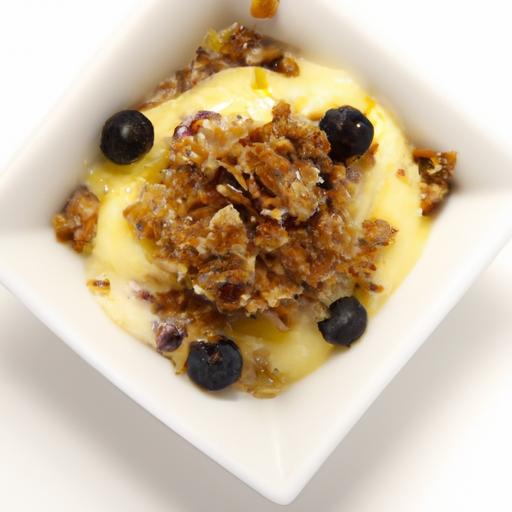
- Berry ribbon: Swirl in mashed fresh berries or sugar-free berry compote for vibrant color and natural sweetness.
- Chocolate delight: Add 2 tbsp unsweetened cocoa powder during whisking for a rich, diabetic-safe chocolate custard.
- Citrus burst: Incorporate fresh lemon or orange zest plus a splash of juice for shining, refreshing notes.
Serving Suggestions
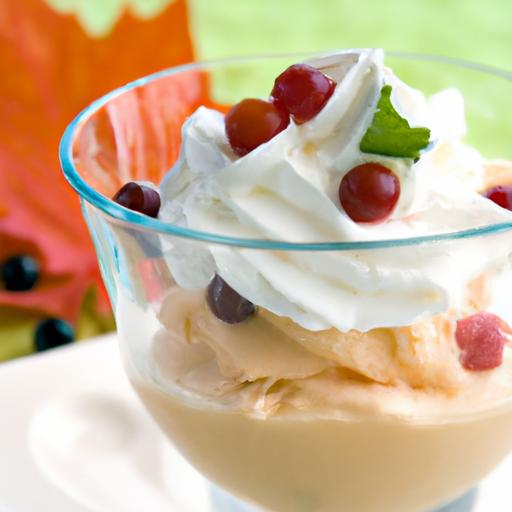
- Serve chilled in elegant glass ramekins, topped with freshly grated dark chocolate (85% cacao or higher) and a sprinkle of toasted sliced almonds.
- Pair with a crisp, cooling mint leaf or a dusting of cinnamon for visual contrast and flavor boost.
- Complement with a side of low-glycemic,unsweetened berry compote to add fruity brightness without sugar spikes.
| Nutrient | Per Serving |
|---|---|
| Calories | 120 |
| Protein | 5g |
| Carbohydrates | 6g (Net Carbs: 2g) |
| Fat | 8g |

For additional insight on sugar alternatives, visit the American Diabetes Association’s guide to sweets and desserts.
Q&A
Q&A: Sweet Solutions – Diabetic-Friendly Custard Recipes to Try
Q1: Why choose custard as a dessert option for diabetics?
A1: Custard offers a creamy, satisfying dessert experience that can be adapted to suit diabetic dietary needs. By using low-glycemic sweeteners and controlling portion sizes, custard can deliver sweetness and comfort without causing sharp blood sugar spikes.Q2: What are the key ingredients to substitute in traditional custard recipes for a diabetic-friendly version?
A2: Instead of regular sugar, diabetic-friendly custards often use natural sweeteners like stevia, erythritol, or monk fruit. Additionally, low-fat milk or unsweetened plant-based milks can replace full-fat dairy to lower calorie and fat content, while still maintaining creamy texture.
Q3: Can custard be made without eggs for peopel who are allergic or prefer plant-based options?
A3: Absolutely! Silken tofu, cornstarch, or arrowroot powder can act as thickening agents in egg-free custards.Thes alternatives help create a smooth, velvety texture while keeping the recipe accessible for various dietary restrictions.
Q4: How can I add flavor without adding extra sugar or carbs?
A4: Natural extracts like vanilla, almond, or citrus zest are excellent for enhancing flavor without adding carbs.spices such as cinnamon, nutmeg, or cardamom also bring warmth and depth, making each bite more interesting and satisfying.
Q5: Are there any tips to keep diabetic-friendly custards fresh and safe?
A5: Since custard contains dairy and sometimes eggs, it should be refrigerated promptly and consumed within 2-3 days. Store it in an airtight container to maintain freshness and prevent contamination.
Q6: How do diabetic-friendly custards fit into a balanced diet?
A6: these custards can be a delightful part of a balanced meal plan, especially when enjoyed in moderation. Pairing them with fiber-rich foods or incorporating them into meals with protein and healthy fats can definitely help stabilize blood sugar levels.
Q7: Can I freeze custard if I want to prepare in advance?
A7: Freezing custard is possible but may alter its texture, sometimes making it grainy or watery upon thawing. If you do freeze it, stir gently after thawing and consider using custard in recipes where texture changes are less noticeable, like baked desserts.
Q8: Where can I find more diabetic-friendly custard recipes?
A8: Numerous cookbooks and reputable health websites offer collections tailored to diabetic needs. Look for recipes that emphasize natural sweeteners, portion control, and ingredient substitutions to create delicious, safe treats.
Enjoy exploring these sweet solutions and discovering how custard can be both comforting and diabetes-conscious!
The Conclusion
as you embark on your journey to enjoy the comforting charm of custard without compromising your health, these diabetic-friendly recipes offer a sweet solution that balances flavor and wellness. With thoughtful substitutions and a sprinkle of creativity, custard can transform from a once-forbidden delight into a nourishing treat that satisfies both palate and health goals.So go ahead, savor each spoonful, and let these custard creations remind you that managing diabetes doesn’t mean sacrificing the simple joys of dessert.