
Nestled within the rich tapestry of Japanese cuisine lies a humble yet captivating treat that deftly balances tradition and flavor-dango. These bite-sized, chewy dumplings, often skewered and enjoyed in a variety of sweet and savory forms, invite both locals and visitors to experience a slice of Japan’s culinary heritage. From bustling street markets to tranquil tea houses, dango emerges not only as a delightful snack but also as a cultural symbol that carries stories of seasons, festivals, and centuries-old recipes. Join us as we embark on a journey to discover the essence of dango, uncovering the subtle artistry behind its making and the diverse tastes that have endeared it to generations.
Discovering Dango offers a captivating journey into one of Japan’s most iconic and beloved treats-a versatile delight that balances tradition with simple, comforting flavors. Originating centuries ago, dango is more than just a sweet or savory snack; it carries layers of cultural meaning deeply tied to Japanese festivals, seasons, and communal gatherings. From the silky chewiness of the rice dumplings themselves to the myriad of sauces and toppings that bring them to life, dango remains a symbol of harmony and joy passed down through generations.
Prep and Cook Time
- Preparation: 20 minutes
- Cooking: 15 minutes
- Total Time: 35 minutes
Yield
Approximately 24 dango balls, serving 6 people (4 dango per skewer).
Difficulty Level
Easy – Perfect for beginner cooks eager to experience authentic Japanese flavors.
Ingredients
- 1 cup shiratamako (glutinous rice flour), sifted
- 1/2 cup warm water (adjust as needed)
- 3 tbsp white sugar
- for Mitarashi Sauce:
- 1/4 cup soy sauce
- 1/4 cup mirin
- 1/4 cup sugar
- 1 tbsp water
- 1 tbsp cornstarch, dissolved in 1 tbsp water
- Bamboo skewers, soaked in water for 30 minutes
Instructions
- Mix the dough: In a medium bowl, combine shiratamako and sugar.Gradually add warm water, stirring until the mixture forms a smooth dough. Adjust water so dough is soft but not sticky.
- Knead and portion: Lightly flour your hands and knead the dough until smooth, about 2 minutes. Divide dough into 24 equal pieces, rolling each into a smooth ball roughly 1 inch in diameter.
- Cook the dango: bring a large pot of water to boil. Drop dango balls gently into boiling water. When they float to the surface, cook an additional 2 minutes to ensure chewiness. Use a slotted spoon to transfer them to a bowl of ice water to cool and firm up the texture.
- Prepare the sauce: In a small saucepan, combine soy sauce, mirin, sugar, and water. Bring to a gentle simmer over medium heat, stirring until sugar dissolves wholly. Slowly add the cornstarch slurry, stirring constantly until sauce thickens and becomes glossy.
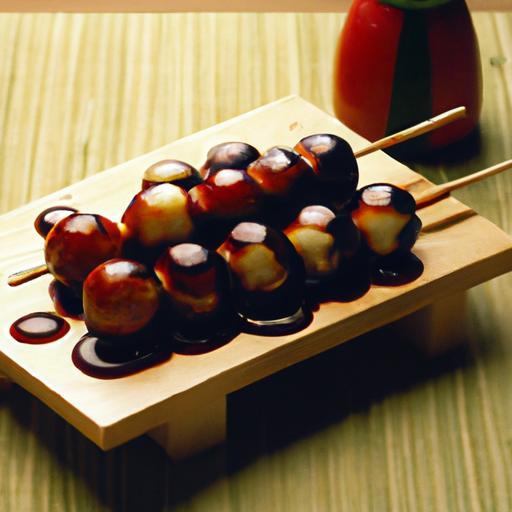
- Assemble: Drain dango from ice water and thread 4 onto each bamboo skewer. Generously brush the Mitarashi sauce over the skewers, or dip as desired.
- Serve warm or at room temperature: For best flavor, serve the dango shortly after glazing.
Chef’s Notes: Tips for Success
- Rice flour choice: Shiratamako provides a chewier, softer texture than mochiko (regular glutinous rice flour), which tends to be firmer. Experiment to find your preferred mouthfeel.
- Water temperature: use warm water (not hot) when mixing to help hydrate the flour evenly, preventing cracks in the dough balls.
- Make-ahead tip: Cooked dango can be stored covered in the refrigerator for up to 24 hours. Reheat gently on a grill or in a microwave before serving and reapply sauce.
- Variations: Try savory dango by topping with miso glaze or wrap sweet versions with anko (red bean paste) for a unique bite.
- Skewering: Soak bamboo skewers first to prevent burning during any grilling or broiling.
Serving Suggestions
Dango is traditionally served on simple wooden skewers, making it perfect for festivals or casual afternoons. Present on a rustic ceramic plate sprinkled with toasted sesame seeds for extra crunch and aroma. Garnish with a fresh sprig of cherry blossom leaves or kinako powder to add subtle fragrance and earthiness. Pair your dango with a warm cup of matcha tea to balance its sweetness, amplifying the authentic Japanese experience.

| Nutrient | Per Serving (4 dango balls) |
|---|---|
| Calories | 150 kcal |
| Protein | 2 g |
| Carbohydrates | 35 g |
| Fat | 0.2 g |
The Rich Heritage and Diverse Faces of Dango
Exploring discovering dango wouldn’t be complete without embracing its deep cultural roots. Dango has been enjoyed since the Heian period (794-1185),often associated with moon-viewing festivals (tsukimi),where round shapes symbolized the full moon’s beauty and perfection. These bite-sized dumplings represent unity and party.
From Mitaraishi dango with its shiny soy glaze to Hanami dango, featuring pastel-colored balls enjoyed during springtime cherry blossom festivals, or crunchy Kushi dango grilled over coals brushed with miso, the varieties are as inviting as they are diverse. Sweet varieties tend to emphasize balance-opaque sweetness paired with chewy texture-while savory options showcase bold umami flavors.
Where to Savor the Best Dango in Japan
For those truly discovering dango, regional delicacies await from Tokyo’s Asakusa district-famous for traditional street stands serving fresh Mitarashi-to kyoto’s historic tea houses where Hanami dango complements a bowl of matcha perfectly. Throughout Japan, dedicated dango shops blend time-honored recipes with modern twists, offering unique experiences from crunchy grilled varieties in Osaka to delicate, sesame-coated treats in Hokkaido.
Make sure to check out the Japan Guide’s feature on dango for top regional picks and festivals celebrating this iconic snack.
Tips for Making Authentic Dango at Home
Recreating authentic dango starts with mastering the dough’s texture-soft yet springy-and mastering the timing to achieve that perfect float and chew in boiling water. Using high-quality shiratamako flour is essential, as it yields the signature chewiness.
Keep your preparation area dusted lightly with flour to avoid the sticky dough from adhering to hands and surfaces. When glazing with sauce, aim for a glossy coat that clings just right without overpowering the delicate dumplings.
Lastly, consider enjoying dango primed for sharing-warm, fresh, and adorned with seasonal touches-invoking the communal spirit behind this timeless treat.
For a deeper dive into Japanese desserts, you might enjoy our Authentic Mochi Recipes, blending traditional flavors with modern culinary artistry.
Q&A
Q&A: discovering Dango – Japan’s Sweet and Savory Delight
Q1: What exactly is dango?
A1: Dango is a traditional Japanese dumpling made from rice flour, typically molded into small, round shapes and skewered on sticks. it’s a versatile treat enjoyed both sweet and savory, offering a unique taste and texture that has delighted people in Japan for centuries.
Q2: How is dango different from mochi?
A2: While both dango and mochi are rice-based, dango is made primarily from rice flour and is denser and firmer, frequently enough shaped into bite-sized balls on skewers.Mochi, conversely, is made by pounding glutinous rice into a soft, chewy paste. Dango tends to be slightly firmer and is commonly served on sticks, which mochi rarely is.
Q3: What are some popular types of dango?
A3: There is a variety of dango styles,but some famed favorites include:
- Mitarashi dango: Brushed with a sweet soy sauce glaze that creates a beautiful balance of salty and sweet.
- Anko dango: Covered or filled with sweet red bean paste.
- Hanami dango: Often enjoyed during cherry blossom viewing, featuring pink, white, and green pastel-colored balls.
- Chadango: Infused with green tea flavor for a subtle bitterness.
Q4: Is dango always sweet?
A4: Not necessarily. Dango can be sweet or savory,depending on toppings and seasonings. Sweet varieties frequently enough feature coatings like red bean paste or sugar-glaze, while savory versions might potentially be seasoned with salty soy sauce or grilled for a smoky flavor. This duality makes dango a versatile snack suitable for different palates.
Q5: When is dango traditionally eaten?
A5: Dango has been enjoyed during festivals, tea ceremonies, and seasonal celebrations throughout Japanese history. Such as, hanami dango is popular during springtime cherry blossom festivals, while other varieties may appear as street food anytime during the year. Its portability and flavor make it an ideal treat for many occasions.Q6: Can dango be made at home?
A6: Absolutely! Making dango at home is a fun and rewarding experience. With just a few ingredients-rice flour, water, and your choice of toppings-you can create fresh dango that rival those found in Japanese shops. The process involves shaping, boiling, and sometimes grilling the balls before adding a delicious sauce or glaze.
Q7: What makes dango culturally notable in japan?
A7: Beyond being a beloved snack, dango carries cultural weight as a symbol of unity, celebration, and seasonal change. Its place on skewers often reflects harmony and togetherness, while its appearance during festivals connects people to the rhythms of nature and tradition.
Q8: Where can one try authentic dango outside Japan?
A8: Many Japanese restaurants and specialty dessert shops around the world offer dango, especially in areas with robust japanese communities. Asian supermarkets sometimes sell pre-made dango or kits, allowing enthusiasts to explore the flavors from afar. Additionally,seasonal Japanese festivals globally might feature dango vendors,offering an authentic taste experience.
Discovering dango is more than tasting a snack; it’s encountering a piece of Japan’s rich culinary tapestry-simple yet sophisticated, humble yet deeply meaningful. Whether you savor it sweet or savory, dango invites you to enjoy a moment of tradition skewered on a stick.
Wrapping Up
As we conclude our journey through the world of dango, it becomes clear that this humble Japanese treat is much more than just a snack. Whether savored with sweet sauces or enjoyed with savory seasonings,dango offers a versatile taste experience that bridges tradition and innovation. Its simple elegance invites curiosity and appreciation, reminding us that sometimes, the most unassuming delights hold the richest stories. So next time you encounter these colorful skewers, take a moment to savor not just their flavor, but the cultural tapestry they represent-a true embodiment of Japan’s sweet and savory harmony.