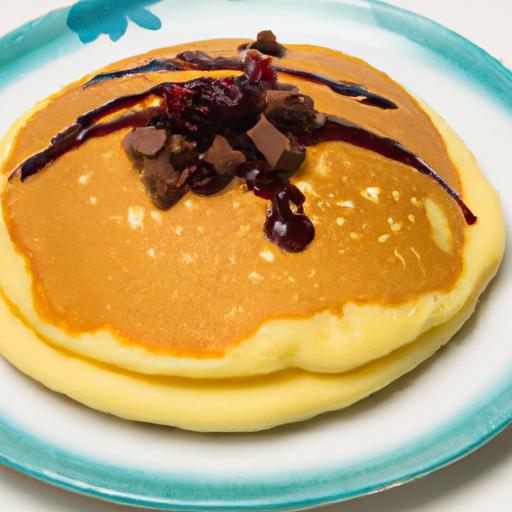

In the vibrant tapestry of Japanese confections, few treats capture the heart quite like dorayaki. This unassuming sweet pancake, with its golden, fluffy layers embracing a luscious filling, offers a glimpse into Japan’s rich culinary heritage and its flair for harmonizing texture and flavor. As we unwrap the story behind dorayaki, we delve not only into its delightful taste but also the cultural nuances that have made it a beloved treat for generations. Join us on this flavorful journey thru the world of dorayaki, where tradition meets simple indulgence in every bite.
Dorayaki Delight embodies the essence of Japan’s culinary tradition, combining pillowy pancakes with sweet, luxurious fillings that evoke warmth and nostalgia. this beloved confection traces its roots back too Edo-period Japan,where it first emerged as a convenient and delightful snack enjoyed by people from all walks of life. As you embark on making this classic treat, you’ll uncover not only a simple recipe but a cultural icon that celebrates the harmony between texture and flavor.
Prep and Cook Time
- Preparation: 15 minutes
- Cooking: 10 minutes
- Total Time: 25 minutes
Yield
Makes approximately 8 dorayaki (about 16 pancakes)
Difficulty Level
Easy to Medium – perfect for adventurous home cooks and dessert lovers
ingredients
- 1 cup all-purpose flour, sifted
- 2 large eggs
- ¼ cup granulated sugar
- 2 tablespoons honey
- ½ teaspoon baking powder
- 3 tablespoons water, room temperature
- 1 cup sweet red bean paste (anko), smooth or chunky based on preference
- Vegetable oil, for greasing the pan
Instructions
- Prepare the batter: In a mixing bowl, whisk together the eggs, sugar, and honey until the mixture turns pale and slightly frothy.
- Blend dry ingredients: In a separate bowl, sift the flour and baking powder together to ensure a smooth batter.
- combine and rest: Gradually fold the dry ingredients into the wet mixture. Add water slowly until a thick but pourable batter forms. Cover and let rest at room temperature for 15 minutes. This resting step allows the batter to develop a subtle sweetness and better texture.
- Heat and grease: Lightly grease a non-stick skillet or griddle with vegetable oil and warm over medium-low heat.
- Cook pancakes: Pour roughly 2 tablespoons of batter per pancake onto the skillet. Cook until bubbles appear on the surface (about 1-2 minutes), then flip carefully.The underside should be golden brown. Cook the other side for 30-45 seconds. Repeat until all batter is used, wiping the skillet lightly between batches if needed.
- Assemble dorayaki: Take one pancake and spread 1-2 tablespoons of sweet red bean paste evenly over one side. Top with a second pancake, pressing gently to create a sandwich.
- Serve warm or at room temperature: Dorayaki are best enjoyed fresh but can be stored in an airtight container for up to 2 days.
Chef’s Notes & Tips for Success
- Consistency is key: The batter should be thick enough to hold shape but light enough to spread slightly. Adjust water one teaspoon at a time if needed.
- Honey substitution: Use maple syrup or golden syrup if honey isn’t available – this keeps the sweetness smooth and balanced.
- Red bean paste variations: Experiment with textures – smooth anko produces a refined bite, while chunky bean paste offers an earthy rustic charm.
- Make ahead: Pancakes can be made earlier and reheated with a light toast or brief microwave burst to restore softness.
- Alternative fillings: Custard cream, whipped chocolate ganache, or even matcha-flavored fillings bring exciting twists to the traditional dorayaki.
Serving Suggestions
Present your dorayaki on a bamboo leaf or rustic wooden plate for authentic Japanese charm. Garnish with a sprinkle of toasted sesame seeds or powdered matcha to elevate aroma and appearance. Pair with a warm cup of green tea, such as sencha or hojicha, to balance the sweetness and complete the experience.
| Nutrient | Per Serving (1 dorayaki) |
|---|---|
| Calories | 180 kcal |
| Protein | 4 g |
| Carbohydrates | 35 g |
| Fat | 2 g |

For a deeper dive into Japanese sweets, check out our article on Matcha Desserts explained. To explore the rich history of Japanese cuisine, the Japan Guide Cultural Section offers a wealth of knowledge.
Q&A
Q&A: Dorayaki Delight – Unwrapping Japan’s Sweet Pancake Treat
Q1: What exactly is Dorayaki?
A1: Dorayaki is a traditional Japanese confection consisting of two small, fluffy pancakes sandwiched together with a sweet filling. Typically, the filling is anko – a smooth or chunky paste made from sweetened red azuki beans. this delightful treat offers a harmonious blend of soft, pillow-like batter and velvety sweetness.
Q2: How did Dorayaki originate?
A2: The origins of Dorayaki date back to the early 20th century, though legends link it to older tales involving samurai and overturned gongs (“dora” means gong in Japanese). The modern version with two pancakes encasing sweet azuki paste was popularized in Tokyo by confectioners in the Taisho era (1912-1926), evolving into the beloved sweet snack enjoyed today.
Q3: What makes Dorayaki unique compared to other pancakes?
A3: Unlike western-style pancakes often served with butter and syrup, Dorayaki pancakes are smaller, thicker, and have a subtle sweetness. Their signature feature is the sweet red bean paste filling, which provides a distinct, earthy sweetness not commonly found in typical pancake treats. It’s this fill-me-up-with-flavor concept that sets Dorayaki apart.
Q4: Are there variations of Dorayaki beyond red bean paste?
A4: Absolutely! While red bean paste remains the classic,contemporary twists have introduced fillings like custard,chocolate,chestnut cream,matcha-flavored cream,and even fruit jams. Some artisan shops experiment with seasonal ingredients, making Dorayaki a versatile canvas for innovation within Japanese confectionery.
Q5: How is dorayaki traditionally enjoyed in Japan?
A5: dorayaki is a popular snack for all ages in Japan, enjoyed with green tea or as a quick treat on the go. It holds nostalgic value, often evoking childhood memories, and is commonly found in convenience stores, bakeries, and specialty sweet shops. Additionally, it frequently appears during festivals and as a thoughtful gift.
Q6: Can I make Dorayaki at home?
A6: Certainly! Making Dorayaki at home involves preparing a simple pancake batter with ingredients like flour, eggs, sugar, and honey. The pancakes are cooked individually until golden and then sandwiched with your choice of filling, traditionally anko. While it requires some practice to get the pancakes fluffy and uniform, homemade Dorayaki offers a rewarding and delicious experience.
Q7: Why has Dorayaki become internationally popular?
A7: Dorayaki’s rise on the global stage owes much to growing interest in Japanese cuisine and culture, as well as its comforting, approachable flavors. The treat’s association with popular media characters-such as Doraemon, who famously loves Dorayaki-has also helped introduce it to wider audiences. Its portability and unique taste continue to charm dessert enthusiasts worldwide.
Q8: Where can I find authentic Dorayaki outside Japan?
A8: Authentic Dorayaki can often be found in Japanese bakeries, specialty Asian grocery stores, or Japanese-themed cafes in many countries. Sometimes, festivals and cultural events feature vendors selling traditional sweets. When looking for genuine Dorayaki, seek out places that use real azuki paste and maintain the traditional pancake texture for the best experience.
Discovering Dorayaki is stepping into a flavorful slice of Japanese tradition, where every bite unwraps a story of history, culture, and sweet simplicity.
Insights and Conclusions
As the last crumbs of dorayaki dissolve on the tongue, one is left with more than just a lingering sweetness-there’s a gentle reminder of Japan’s ability to turn simple ingredients into moments of comfort and joy. Whether savored at a bustling street stall or shared during a quiet tea ceremony, this humble pancake treat invites us to unwrap not just its layers of flavor, but also a piece of cultural heritage steeped in warmth and tradition. Dorayaki, in all its delightful simplicity, offers a sweet pause amid the rhythm of life-a delicious story waiting to be told, one bite at a time.