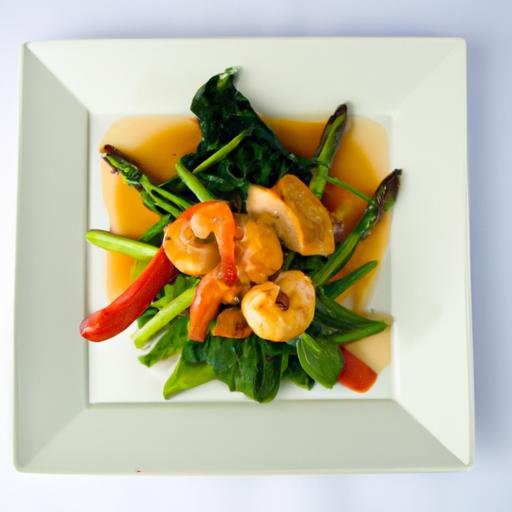

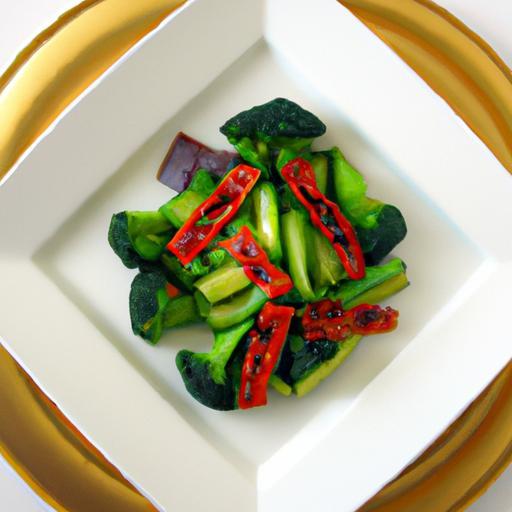
Asia,a vast mosaic of cultures and histories,offers a culinary journey unlike any other. From the fragrant spice markets of India to the delicate tea ceremonies of Japan, the continent’s timeless recipes tell stories of tradition, innovation, and connection.In “Flavors of Asia: A Journey Through Timeless Recipes,” we embark on an exploration of authentic dishes that have transcended generations,inviting us to savor not only their rich tastes but also the heritage and heart behind each bite. Join us as we uncover the diverse flavors that continue to shape Asia’s vibrant food landscape.
Flavors of Asia: A Journey Through Timeless Recipes unveils a spectacular tapestry of culinary marvels where bold spices, vibrant herbs, and centuries-old techniques come together to create dishes that are both deeply comforting and thrillingly exotic. This post dives into the soul of Asian cooking, exploring signature ingredients like fragrant lemongrass, earthy turmeric, and the unmistakable umami of fermented sauces that define authentic flavors across East and South asia.
prep and Cook Time
- Readiness: 20 minutes
- Cooking: 35 minutes
- Total Time: 55 minutes
Yield
Serves 4 enthusiastic food lovers
Difficulty Level
Medium – approachable for adventurous home cooks ready to balance vibrant spices and aromatics
Ingredients
- 1 cup jasmine rice, rinsed and drained
- 2 tbsp vegetable oil
- 1 medium onion, finely chopped
- 3 cloves garlic, minced
- 1 inch piece fresh ginger, grated
- 1 stalk lemongrass, bruised and chopped
- 1 tsp turmeric powder
- 1 tsp ground coriander
- 1/2 tsp ground cumin
- 1 red chili, sliced (optional for heat)
- 400 ml coconut milk
- 200g chicken thighs, diced (or firm tofu for vegetarian)
- 1 cup baby spinach
- 2 tbsp fish sauce (or soy sauce for vegetarian)
- 1 tsp palm sugar or brown sugar
- Fresh cilantro leaves for garnish
- 1 lime, cut into wedges for serving
Instructions
- cook the Jasmine Rice: Combine jasmine rice with 1 ¾ cups of water in a pot, bring to a boil, then reduce heat to low and simmer covered for 15 minutes until tender. Fluff with a fork and keep warm.
- Sauté Aromatics: Heat vegetable oil in a large skillet over medium heat. Add chopped onion, garlic, ginger, and lemongrass. Sauté until fragrant and the onion becomes translucent, about 5 minutes, stirring frequently to prevent burning.
- Toast the Spices: Add turmeric, coriander, cumin, and red chili. Stir continuously for 1-2 minutes to release the essential oils and deepen their aroma.
- Cook Protein: Add diced chicken thighs (or tofu) to the skillet. Sauté until seared and nearly cooked through, about 7 minutes, turning occasionally.
- Simmer in Coconut Milk: Pour in the coconut milk,fish sauce,and palm sugar. Stir to combine and bring to a gentle simmer. Let it cook uncovered for 12-15 minutes until the sauce thickens slightly and the chicken is tender.
- Add Greens: Toss in baby spinach and cook just until wilted, about 2 minutes.
- Final Taste and Adjust: Remove lemongrass pieces, then taste the sauce. Adjust seasoning with additional fish sauce or a squeeze of lime juice for brightness.
- Plate and Garnish: Spoon the fragrant curry over jasmine rice and garnish generously with torn cilantro leaves and lime wedges on the side.
Tips for Success
- For more authentic depth, use freshly ground spices where possible to maximize flavor.
- If avoiding coconut milk, substitute with a mix of almond milk and a dash of coconut extract, keeping in mind texture differences.
- To deepen the curry’s aroma,briefly char the lemongrass stalks before bruising and chopping.
- Make-ahead tip: The curry maintains its flavor well refrigerated for up to 3 days and reheats beautifully.
- Balance heat carefully-start with half the chili and adjust to preference to avoid overpowering the dish.
Serving suggestions
This luscious curry pairs beautifully with lightly steamed jasmine rice or fragrant basmati. Add a side of crisp cucumber salad dressed with rice vinegar for contrast. Finish the presentation with fresh cilantro and a lime wedge to invite your guests into the vibrant world of Asian flavors. for an added textural delight, sprinkle toasted peanuts or crispy shallots on top.

| Nutrient | Per Serving |
|---|---|
| Calories | 420 kcal |
| Protein | 28g |
| Carbohydrates | 45g |
| Fat | 14g |
For further inspiration,explore our thorough guide on Asian spice blends to elevate your home cooking.To learn more about authentic fermentation techniques vital to many Asian culinary traditions, visit the Serious Eats fermentation feature.
Q&A
Q&A: Flavors of asia – A Journey Through Timeless Recipes
Q1: What inspired the concept behind “Flavors of Asia: A Journey Through Timeless Recipes”?
A1: The idea was born from a fascination with Asia’s vast culinary diversity, where every region offers unique flavors shaped by history, geography, and culture. the goal was to explore these enduring recipes that have transcended generations, revealing stories told through spice blends, cooking techniques, and shared meals.
Q2: How does the article define “timeless” when it comes to Asian recipes?
A2: Timeless recipes are those that have sustained popularity and authenticity over centuries, maintaining their core essence despite evolving tastes. Thay embody tradition and cultural identity, often passed down through families, and continue to resonate because of their balanced flavors and meaningful connections.
Q3: Which Asian regions are highlighted in the journey, and why?
A3: The journey spans East Asia, Southeast Asia, South Asia, and parts of Central Asia – regions rich with distinct culinary heritages. Each area is chosen for its hallmark dishes that encapsulate local ingredients and customs, like Japan’s delicate umami, india’s vibrant spices, Thailand’s harmonious sweet-sour-hot profiles, and Uzbekistan’s hearty pilafs.
Q4: Can you give an example of a timeless recipe discussed in the article?
A4: one example is the Vietnamese Pho – a noodle soup layered with deep, slow-simmered broth, fragrant herbs, and tender beef or chicken. Its enduring popularity lies in its comforting simplicity and nuanced flavor, making it both a daily staple and a symbol of Vietnamese hospitality.
Q5: What makes Asian culinary traditions so enduring and influential globally?
A5: The endurance stems from Asia’s deep respect for balance-between flavors, textures, and nutrition-and the communal nature of dining. These traditions emphasize freshness, seasonality, and harmony, principles that have universal appeal. Their global influence grows as people seek healthy, flavorful, and culturally rich dining experiences.
Q6: How does the article approach the balance between authenticity and adaptation in these recipes?
A6: While honoring authentic methods and ingredients, the article acknowledges that recipes naturally adapt with migration and modern lifestyles. It suggests that adaptation doesn’t diminish authenticity but rather keeps traditions alive,inviting readers to experiment while appreciating the roots of each dish.Q7: What can readers expect to gain from this culinary journey?
A7: Readers will gain a deeper understanding of Asia’s culinary landscapes,an appreciation for the cultural stories behind iconic dishes,and inspiration to try cooking or tasting these timeless recipes themselves-embarking on their own flavorful voyage through history and culture.
Future Outlook
As we close this flavorful journey through the timeless recipes of Asia,we are reminded that each dish is more than just a combination of ingredients-it is a story,a tradition,and a party of culture passed down through generations. The diverse flavors explored here invite us not only to taste but to connect with the rich heritage that defines this vast continent. Whether you’re a seasoned chef or an adventurous home cook,may these recipes inspire you to bring a piece of Asia’s culinary tapestry into your own kitchen,savoring every bite as a bridge between past and present,tradition and innovation.