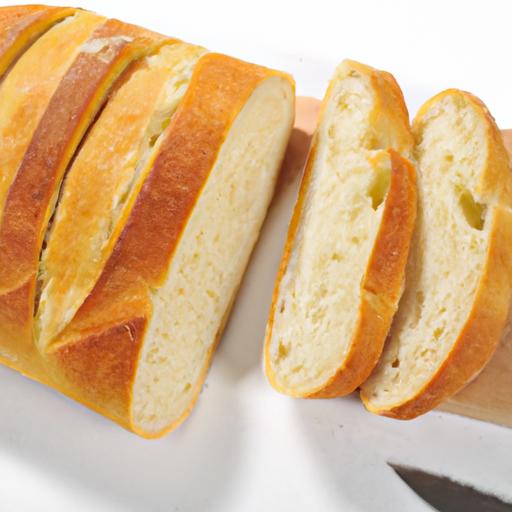

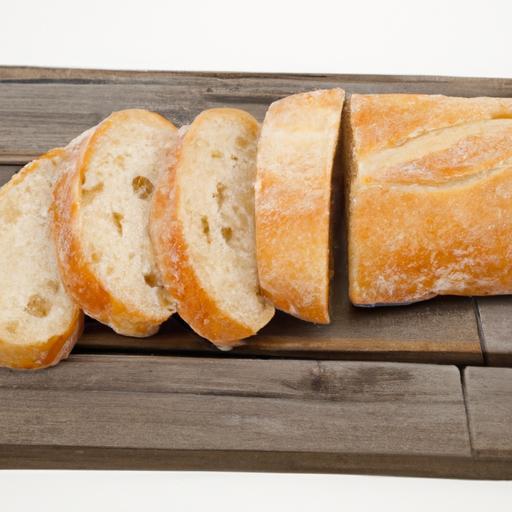
There’s something undeniably comforting about the perfect French bread: a golden, crisp crust giving way to a tender, airy crumb that invites you to tear off a piece and savor each bite. Yet, achieving that ideal loaf at home can often feel elusive, leaving many bakers frustrated by denser-than-desired interiors or crusts that just don’t crisp right. In this article, we unravel the secrets and share the ultimate no-fail French bread recipe-designed to guide both novices and seasoned bakers toward consistently flawless loaves. Whether you’re aiming to elevate your weeknight dinner or impress guests with freshly baked artisan bread, this recipe promises to bring the authentic charm of French boulangeries straight to your kitchen.
The Ultimate No-Fail French Bread Recipe for Perfect Loaves
the Ultimate No-Fail French Bread Recipe for Perfect Loaves starts with a deep respect for tradition-an ode to rustic simplicity combined with precise technique. French bread embodies centuries of artisanal craft, celebrated for its crisp crust and tender crumb. Whether you’re a home baker yearning to recreate that iconic bakery loaf or simply seeking the perfect companion for your table, this recipe unlocks the secrets that elevate humble ingredients into edible art.
Prep and Cook Time
- Preparation: 20 minutes
- First Rise: 1 hour 30 minutes
- Shaping & Second Rise: 45 minutes
- Baking: 25-30 minutes
- Total Time: Approximately 3 hours
Yield
2 standard baguettes, serving 6-8 people
Difficulty Level
Medium – Great for bakers comfortable with yeast and kneading, but approachable for adventurous beginners
Ingredients
- 3 ½ cups (450g) bread flour, preferably unbleached and high protein
- 1 ¼ cups (300ml) lukewarm water (about 95°F/35°C)
- 2 tsp fine sea salt
- 2 tsp active dry yeast
- 1 tsp granulated sugar (optional, for yeast activation)
- Extra flour for dusting
- Water for steaming during baking
Instructions
- Activate the yeast: In a small bowl, combine lukewarm water, sugar, and active dry yeast. Stir gently and let sit for 5-10 minutes until foamy, indicating the yeast is alive.
- Mix the dough: In a large bowl, whisk together bread flour and salt. Create a well and pour in the yeast mixture. Using a wooden spoon or your hand, gradually incorporate the flour until a shaggy dough forms.
- Knead the dough: Turn the dough onto a lightly floured surface. Knead using the “push-fold-turn” method: push the dough away with the heel of your hand, fold it back over itself, and turn it 90 degrees. Repeat for 10-12 minutes until the dough becomes smooth, elastic, and slightly tacky-this is key to developing that quintessential French bread texture.
- First rise: place the dough ball in a lightly oiled bowl, cover with a damp cloth, and let it rise in a warm, draft-free spot until doubled in size, about 1 to 1½ hours.
- Shape the loaves: Gently deflate the dough and divide it into two equal portions. Shape each into a long baguette shape by flattening into a rectangle and folding the edges toward the center, then rolling tightly.Pinch seams closed and taper the ends slightly.
- Second rise: Place shaped loaves on a floured couche or parchment-lined baking tray. Cover and let rise for about 45 minutes until noticeably puffy.
- Preheat the oven: Set your oven to 475°F (245°C). Place a cast iron skillet or metal pan on the bottom rack for steam generation.
- Score the loaves: Using a sharp serrated knife or bread lame, make 3-4 diagonal slashes on each loaf about ¼ inch deep. This allows the bread to expand elegantly while baking.
- Bake with steam: quickly slide the loaves into the oven and add 1 cup of hot water to the preheated pan to create steam. Bake for 25-30 minutes until crust is deep golden brown and crusty.
- Cool and enjoy: remove the bread from the oven and cool on a wire rack for at least 30 minutes. This resting stage lets the crumb set perfectly, achieving that airy yet moist interior.
Chef’s Notes – Tips for Success
- Ingredient quality matters: Using high-protein bread flour ensures proper gluten advancement, critical for structure.
- Hydration balance: The specified water amount keeps the dough slightly sticky, which contributes to an open crumb. Don’t over-flour your surface while kneading.
- Kneading technique: Don’t rush-kneading builds gluten strands that trap air bubbles, making the crumb light and chewy.
- Steam is essential: The burst of steam in the first 10 minutes of baking prevents the crust from setting too early, giving you that signature shiny, caramelized exterior.
- Make-ahead: You can retard the risen dough overnight in the refrigerator after the first rise. Bring it back to room temperature before shaping for more complex flavors.
Serving Suggestions
Serve fresh, golden French bread sliced thickly with creamy butter, a drizzle of good olive oil, or alongside a warm bowl of classic French onion soup. Garnish with fresh thyme sprigs or a sprinkle of flaky sea salt for a rustic, inviting touch. For a complete meal, pair with your favorite cheeses, charcuterie, or a vibrant garden salad.

| Nutrition (per serving) | Amount |
|---|---|
| Calories | 180 kcal |
| Protein | 6 g |
| Carbohydrates | 36 g |
| Fat | 1 g |
For more tips on enhanced baking techniques, check out our Rustic Bread Baking Techniques guide. To learn about the science behind perfect yeast doughs, visit King Arthur Baking’s Yeast Guide.
Q&A
Q&A: The ultimate No-Fail French Bread Recipe for Perfect Loaves
Q: What makes this French bread recipe “no-fail”?
A: This recipe is designed with simplicity and precision in mind,using common ingredients and straightforward techniques. It avoids complex steps while ensuring consistent results by focusing on the right proportions, kneading methods, and baking times that eliminate guesswork.
Q: What are the key ingredients in this French bread recipe?
A: The essential ingredients are all-purpose flour, water, active dry yeast, salt, and a touch of sugar.These basics come together to create the classic French bread texture and flavor without any needless additives.
Q: How long does the dough need to rise?
A: The dough typically requires two rises: the first for about 1 to 1.5 hours until doubled in size, and a second shorter rise of 30 to 45 minutes after shaping.These steps develop the bread’s airy crumb and crusty exterior.
Q: Can I use instant yeast instead of active dry yeast?
A: Yes! Instant yeast can be used. Simply reduce the amount by about 25% and skip the initial proofing in warm water, mixing it directly with the dry ingredients instead.
Q: What’s the secret to a crisp crust on French bread?
A: Steam during the first part of baking is key. Creating steam in your oven-by placing a pan of water beneath the baking rack or spritzing the loaf with water-helps achieve that iconic crust, glossy and crackly.
Q: How should I shape the loaves for an authentic French look?
A: After the first rise, gently deflate the dough and roll it into tight, elongated loaves, tapering slightly at the ends. Use sharp diagonal slashes on top just before baking to allow for expansion and that professional bakery aesthetic.Q: Is it necessary to use bread flour for this recipe?
A: Bread flour isn’t necessary, but it can enhance the bread’s chewiness due to its higher protein content. All-purpose flour works perfectly well and keeps the recipe accessible and reliable.
Q: Can I make this recipe gluten-free?
A: Traditional French bread relies heavily on gluten structure,so making it gluten-free requires special flour blends and additional binders. This recipe is best enjoyed as is, but gluten-free variations do exist with alternate methods.Q: How do I store French bread to keep it fresh?
A: French bread is best enjoyed the day it’s baked. To keep it fresh longer, store it in a paper bag at room temperature for up to two days. For longer storage, slice and freeze the loaf, then toast slices as needed.
Q: Can I customize the recipe with herbs or seeds?
A: Absolutely! While traditional french bread is simple, adding rosemary, thyme, sesame seeds, or even garlic can create delightful variations. Just be mindful to not overwhelm the classic flavor balance.
This Q&A covers essential questions for bakers eager to master the ultimate no-fail French bread recipe, ensuring perfect loaves that blend tradition with ease.
Insights and Conclusions
Baking the perfect loaf of French bread might seem like an art reserved for seasoned bakers, but with the right recipe and a little patience, it’s truly within anyone’s reach. This ultimate no-fail French bread recipe strips away the mystery,guiding you step by step to golden crusts and tender,airy interiors every time.Whether you’re savoring it fresh from the oven or pairing it with your favorite meal, each loaf is a small triumph-proof that perfect bread is less about magic and more about method. So tie on your apron, embrace the timeless rhythm of mixing, proofing, and baking, and enjoy the simple pleasure of homemade French bread made just right.