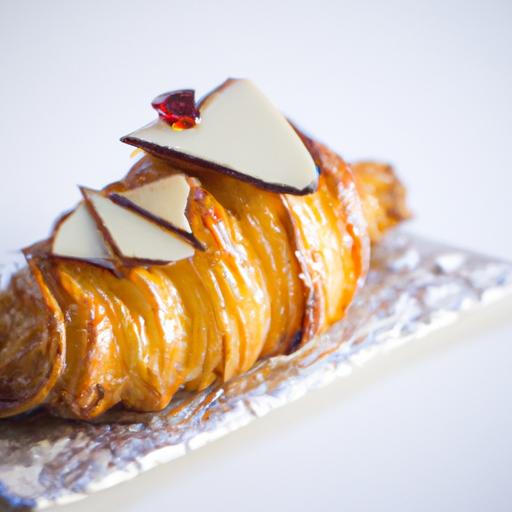

Tucked away behind quaint doors and delicate lace curtains, a patisserie is more than just a bakery-it is a sanctuary where flour, butter, and sugar converge to create edible works of art. The allure of french pastries lies not only in their delicate flavors and intricate designs but also in the centuries-old techniques passed down through generations of skilled artisans. In this exploration, we step inside the world of a patisserie to uncover the artistry, tradition, and passion that transform humble ingredients into exquisite delicacies, inviting us to savor the true essence of French culinary craftsmanship.
Inside a Patisserie: Exploring the Art of French Pastries reveals the finesse and tradition that elevate simple ingredients into exquisite, melt-in-your-mouth delights. From flaky croissants to delicate éclairs, every bite carries a story of meticulous craftsmanship and time-honored techniques. This culinary journey invites you to unlock the secrets behind classic French pastries, decoding their distinctive flavor profiles and ingredient pairings, mastering essential tools and methods, and discovering must-visit patisseries to truly experience authentic French indulgence.
Prep and cook Time
Preparation: 1 hour 30 minutes (plus 12 hours for dough chilling)
Cooking: 20-25 minutes
Total Time: Approximately 14 hours (including resting)
Yield
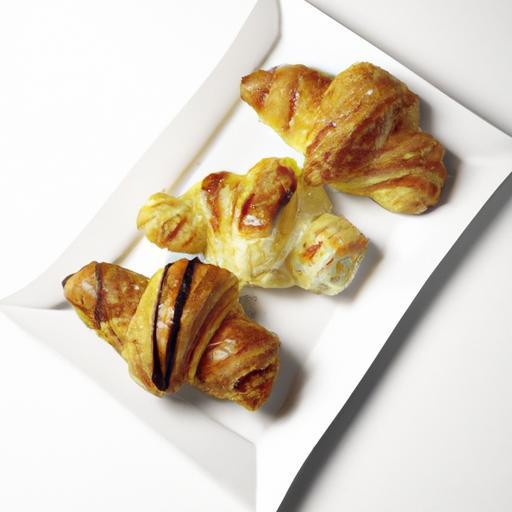
Makes 12 classic French croissants
Difficulty Level
Advanced – requires patience, precision, and practice for perfect lamination
Ingredients
- 4 cups all-purpose flour, sifted
- 1/4 cup granulated sugar
- 2 tsp salt
- 1 tbsp instant yeast
- 1 1/4 cups whole milk, warm (90°F/32°C)
- 1 1/4 cups unsalted butter, cold and divided
- 1 large egg (for egg wash)
- 1 tsp vanilla extract (optional, for subtle sweetness)
Instructions
- Prepare the starter dough: In a large bowl, combine warm milk, yeast, 1 tbsp sugar, and 1 cup flour. Stir until smooth. Cover the bowl with a clean cloth and let it rest in a warm place for 2 hours, until bubbly and doubled in size.
- Make the main dough: Add remaining flour, sugar, and salt to the starter. Mix until a shaggy dough forms. Knead for 8 minutes by hand or 4 minutes in a stand mixer with a dough hook, until smooth but slightly sticky.
- Frist butter block: Shape 3/4 cup cold butter into a 7″ square between parchment paper with a rolling pin. Chill but keep pliable.
- Laminate the dough: Roll dough into an 11″ square on a lightly floured surface.Place butter block in the center diagonally, folding dough corners over to encase it fully. Seal edges tightly.
- Roll and fold: Roll the dough into a 20″ by 10″ rectangle. Fold it into thirds like a letter (this is the first “turn”). Wrap and chill for 1 hour. Repeat this rolling and folding process 3 more times, chilling after each turn for a total of 4 turns.
- Shape croissants: Roll final dough sheet to 1/4″ thickness. Cut into 5″ triangles. Stretch each triangle slightly and roll from the base to the tip,curling the ends gently to create the classic crescent shape.
- Proof: Place shaped croissants on parchment-lined baking trays, cover loosely with plastic, and let rise at room temperature for 2 to 3 hours until nearly doubled and jiggly.
- egg wash and bake: Whisk egg with a splash of water, brush generously over croissants. Bake in a preheated 400°F (200°C) oven for 20-25 minutes until golden,crisp,and puffed.
- Cool: Let cool on wire racks for at least 15 minutes before serving to preserve flakiness.
Tips for Success
- Use cold butter but pliable; too cold and it cracks, too warm and it melts into the dough.
- Knead dough until slightly sticky to ensure gluten advancement for elasticity and structure.
- Keep all dough chilling phases in the fridge, especially in warm climates, to prevent butter melting.
- For a lighter crumb, replace part of the milk with buttermilk,adding a mild tang and increased tenderness.
- Practice rolling and folding technique to achieve ultra-flaky, layered dough-the hallmark of French pastries.
- Make croissants a day ahead; reheat briefly at low heat to revive crispness.
Serving Suggestions
Present freshly baked croissants alongside a small bowl of high-quality French butter and house-made fruit preserves like apricot or raspberry. Garnish with a delicate dusting of powdered sugar or a drizzle of bittersweet chocolate for an elegant finish. Pair with expertly brewed café au lait or fragrant Earl Gray tea to elevate the authentic experience.

| Nutrient | Per Serving |
|---|---|
| Calories | 310 kcal |
| Protein | 6 g |
| Carbohydrates | 28 g |
| Fat | 20 g |
Exploring Flavor Profiles and Ingredient Pairings
at the heart of French pastry mastery lies a delicate balance of richness, sweetness, and texture. The buttery depth of laminated dough pairs beautifully with subtle vanilla or almond extracts, while fresh fruit jams or citrus curds balance the decadence with radiant acidity. understanding these flavor profiles enhances confidence when experimenting or customizing recipes-try topping croissants with thin slices of gruyère and fresh herbs for a savory twist, or dipping warm pastries into silky hot chocolate.
Essential Tools and Techniques for Perfect Pastry Making
Equipping yourself like a Parisian pâtissier is key. Invest in a quality rolling pin, a sharp bench scraper, and parchment paper for effortless dough handling. Mastering the “turns” during lamination ensures crisp, flaky layers, while a reliable kitchen thermometer guarantees ideal milk temperature and perfect proofing surroundings. Remember, temperature control and precision in timing are your best allies.
Must-Visit Patisseries to Experience Authentic French Delights
Traveling through France offers an unparalleled chance to sample authentic pastries at world-renowned patisseries. from Ladurée in Paris with its famed macarons to hidden gems specializing in Kouign-Amann and Tarte Tatin, each shop tells a unique story rooted in regional traditions. Immersing yourself in these experiences complements your kitchen craft, inspiring new flavor combinations and perfecting technique.
Q&A
Q&A: Inside a Patisserie – Exploring the Art of French Pastries
Q: What makes a French patisserie different from a regular bakery?
A: At its heart, a French patisserie is not just a place to buy bread-it’s a sanctuary of artistry and precision. Unlike a typical bakery, a patisserie focuses on delicate pastries that require refined techniques, exact measurements, and often intricate decoration. The emphasis is on finesse, layering of flavors, and traditional recipes handed down through generations.
Q: What are some signature pastries you’ll find in a traditional patisserie?
A: Classic French pastries range from the airy, buttery croissant to the elegant éclair filled with silky cream. Other staples include the mille-feuille-layers of flaky puff pastry and vanilla custard, the tarte Tatin with its caramelized apples, and delicate macarons, which showcase both vibrant colors and nuanced flavors.
Q: Why is technique so critically important in making French pastries?
A: Precision is everything. The balance of temperature, timing, and ingredient quality dictates whether a pastry turns out flaky, airy, or custardy. For instance, perfecting the laminated dough for croissants demands multiple layers of butter folded into dough without melting.Even slight deviations can affect texture and taste, making pastry-making as much a science as it is an art.
Q: How do French pastry chefs preserve tradition while innovating?
A: Many patisseries honor classic recipes, preserving their heritage with reverence. Yet, innovation creeps in through contemporary flavor pairings, new techniques, and creative presentations. Chefs experiment by infusing traditional pastries with exotic ingredients or crafting pastries that evoke modern aesthetics, all while respecting the foundational methods.
Q: what role do ingredients play in the quality of French pastries?
A: Ingredients are the silent heroes. French pastry chefs typically select high-quality butter with a high fat content,fresh eggs,and fine flours to achieve the desired texture and flavor. Seasonal fruits, quality chocolates, and pure vanilla elevate the pastries further. The freshness and provenance of ingredients deeply influence the final masterpiece.
Q: Can you describe the experience of visiting a French patisserie?
A: Walking into a French patisserie is a sensory journey. The air is fragrant with buttery richness and subtle sweetness.Displays gleam with meticulously arranged delights-each a miniature work of edible art. There’s a quiet reverence in the atmosphere as customers choose their treats with care, frequently enough savoring both the look and the fleeting moment before indulging.
Q: why do French pastries hold such a beloved place in food culture worldwide?
A: French pastries represent a blend of history, craftsmanship, and celebration of flavor. They embody patience and dedication, appealing not just to the palate but to the eye and soul. Their worldwide appeal lies in their ability to transform simple ingredients into moments of joy and elegance, bridging cultures through the universal language of taste.
This Q&A offers a glimpse behind the scenes of the delicate world within a patisserie, revealing how tradition, technique, and passion come together to create the beloved French pastries we cherish.
In Retrospect
Stepping away from the delicate layers of a mille-feuille or the tender crumb of a madeleine, we find that French pastries are more than just desserts-they are a harmonious blend of tradition, technique, and artistry. Inside a patisserie, every croissant and éclair tells a story of patience and passion, inviting us to savor not only their flavors but the rich history and craftsmanship behind them.As we close this exploration, it becomes clear that the art of French pastries is a timeless celebration-one that continues to enchant palettes and inspire bakers around the world.