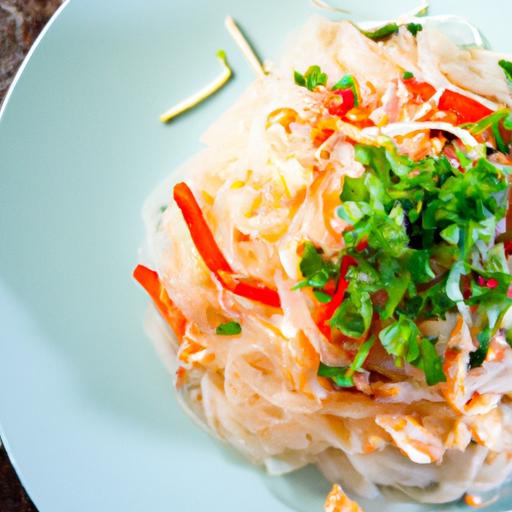

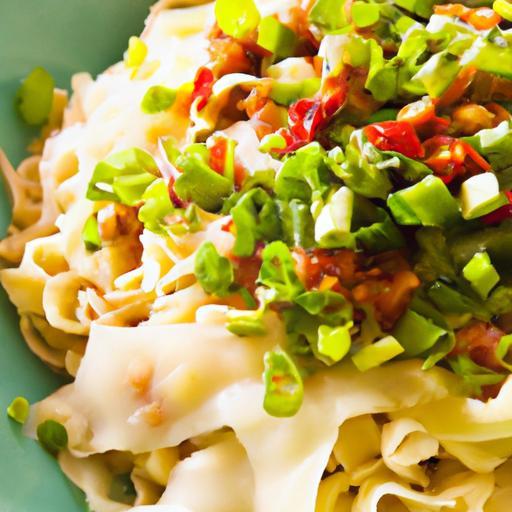
In a world where convenience frequently enough overshadows craftsmanship, the allure of very fresh noodles invites us to pause and savor a time-honored tradition. Beyond mere sustenance, these strands of dough embody a delicate balance of texture, aroma, and subtle flavor, crafted with skill and care that awaken the senses.Exploring the art and flavor of very fresh noodles is not just a culinary journey-it is an invitation to appreciate the harmony of ingredients and technique, moment by moment, bite by bite. Join us as we uncover the nuances that make fresh noodles a vibrant expression of culture and taste.
Discovering the Art and Flavor of Very Fresh Noodles unlocks a sensory journey through the delicate balance of dough, technique, and complementary flavors. Drawing inspiration from centuries-old East Asian noodle traditions, hand-pulled noodles represent more than just a meal-they’re a tactile expression of craftsmanship where ultra-fresh dough transforms into silky ribbons bursting with character and chew. The process invites both patience and passion, delivering a noodle experience that elevates everyday dining into a festivity of texture and taste.
Prep and Cook Time
- Preparation: 30 minutes
- resting & Dough Relaxation: 1 hour
- Cooking: 5-7 minutes
- Total Time: Approximately 1 hour 40 minutes
Yield
4 generous servings
Difficulty Level
Medium – requires attention to dough texture and hand-pulling technique
Ingredients
- 2 cups all-purpose flour, sifted
- 3/4 cup warm water (approx. 110°F/43°C)
- 1/2 tsp salt
- 1 tbsp vegetable oil (for dough elasticity)
- 1 tbsp cornstarch (for dusting)
- Fresh green onions, thinly sliced (for garnish)
- Sesame seeds (optional, for garnish)
- Complementary sauce: Soy sauce, chili oil, or peanut sauce (recipe below)
Instructions
- Mix the dough: In a large mixing bowl, combine the sifted flour and salt. Gradually add warm water while stirring with chopsticks or a fork until a shaggy dough forms.
- Knead for texture: Transfer dough to a floured surface. Knead vigorously for 10 minutes until the dough becomes smooth and elastic. This step is critical for developing gluten, which will give the noodles their signature chew.
- Rest the dough: Shape into a ball and coat lightly with vegetable oil to prevent drying. Cover with a damp towel or plastic wrap and let it rest for at least 1 hour. this resting period relaxes the gluten, making the pulling process manageable.
- Prepare for pulling: Lightly dust a clean workspace with cornstarch. Divide the rested dough into 4 equal portions. Roll each into a cylinder about 12 inches long.
- Pull the noodles: Firmly grip both ends of one cylinder. Gently stretch it, than fold it, twist once, and stretch again. Repeat this pulling and folding technique several times, dusting with cornstarch to prevent sticking, until the noodle strands reach your desired thinness and length. Avoid rushing – consistent rhythm ensures perfect texture.
- cook the noodles: Bring a large pot of salted water to a rapid boil.Add the noodles in small batches, cooking for 2-3 minutes or until they float and feel tender yet resilient to the bite. Drain and briefly rinse under cold water to stop cooking and preserve texture.
- Dress and serve: Toss the drained noodles in your chosen complementary sauce and garnish with sliced green onions and a sprinkle of sesame seeds. Serve immediately for best flavor and texture.
Chef’s Notes
- Flour choice: For an even chewier bite, experiment with high-gluten or bread flour, adjusting water as needed.
- Make-ahead tip: Dough can be refrigerated after kneading for up to 24 hours-bring to room temperature before pulling.
- Thickness variation: For soup bowls, slightly thicker noodles hold broth better; for stir-fries, thinner noodles allow more sauce absorption.
- Texture troubleshooting: If noodles break easily, knead more; if tough and resistant, increase resting time.
- Substitutions: Add a pinch of baking soda in the dough to mimic alkaline noodles like lamian.
Serving Suggestions
Ultra-fresh hand-pulled noodles shine alongside bold flavors.try them tossed in a fragrant homemade peanut sauce or a simple drizzle of toasted sesame oil with garlic chili oil for heat. Fresh herbs such as cilantro or Thai basil add brightness. Pair with stir-fried vegetables, tender strips of beef or tofu, and a side of pickled vegetables to contrast the noodles’ softness. A light sprinkle of toasted sesame seeds or crushed peanuts introduces welcome crunch and visual appeal.
For an authoritative deep dive into dough techniques, explore King Arthur Baking’s pasta madness guide.
| Nutrient | Per Serving |
|---|---|
| Calories | 230 kcal |
| Protein | 7 g |
| Carbohydrates | 45 g |
| Fat | 2 g |

Mastering this recipe means embracing the joy of hands-on cooking, where each noodle strand tells a story of patience and precision.Engage your senses and let the textures and flavors inspire new culinary adventures in your kitchen.
Q&A
Q&A: discovering the Art and Flavor of Very Fresh Noodles
Q: What makes very fresh noodles different from regular noodles?
A: Very fresh noodles are distinguished by their texture, aroma, and taste, which come from being made and cooked within hours. Unlike dried or pre-packaged noodles, their freshness preserves the dough’s natural elasticity and subtle wheat flavor, resulting in a tender yet pleasantly chewy bite.
Q: Why is freshness so crucial in noodle craftsmanship?
A: Freshness unlocks the noodles’ full potential. As time passes, noodles dry out or lose moisture, which dulls their texture and flavor.In very fresh noodles, the dough’s delicate proteins and starches haven’t broken down or hardened, showcasing the maker’s skill and the quality of ingredients at their peak.
Q: How do artisans achieve the perfect fresh noodle?
A: The art lies in balancing flour,water,and sometimes eggs or salt,and kneading to just the right consistency. Timing is essential-too long of a wait, and the noodles lose vitality; too short, and they can be gummy. Master noodle makers frequently enough rely on intuition honed over years to judge dough readiness and cutting precision.
Q: Are very fresh noodles limited to a specific cuisine or region?
A: While fresh noodles appear worldwide-from the hand-pulled lamian of China to Japan’s udon and Italy’s fresh pasta-the concept of savoring noodles at their freshest crosses cultures. Each tradition celebrates freshness in unique shapes, thicknesses, and accompanying broths or sauces.
Q: How does consuming very fresh noodles enhance the dining experience?
A: Eating very fresh noodles is an immersive sensory journey. The soft, springy texture delights every bite; the subtle wheat notes add a comforting depth; and paired with a light broth or fresh sauce, the noodles don’t compete-they elevate the entire dish.
Q: Can fresh noodles be prepared at home, or is this an art best left to professionals?
A: Home cooks can certainly experiment, and there’s joy in hand-making noodles. However, recreating the exact texture and flavor of very fresh noodles often requires skill, specific flours, and immediate cooking after preparation. that said, even simple attempts bring appreciation for the craft behind restaurant-quality fresh noodles.
Q: What should one look for when choosing very fresh noodles at a market or restaurant?
A: Look for noodles that feel pliable but not sticky, with a subtle scent of wheat rather than a strong floury smell. They should appear smooth,brightly colored (often pale ivory or yellowish),and be cooked quickly after preparation. Eating fresh noodles soon after they’re made is essential to experience their peak flavor.Q: How does discovering very fresh noodles deepen understanding of food culture?
A: Fresh noodles embody respect for ingredients, patience, and tradition. By engaging with their creation and flavor, diners and cooks connect with a living culinary heritage where simplicity meets craftsmanship, reminding us that freshness is both a taste and a story worth savoring.
In Summary
As the last strands of these very fresh noodles slip from fork to mouth,it becomes clear that this is more than just a simple dish-it’s a delicate balance of art and flavor,tradition and innovation. Each bite invites a deeper appreciation for the craftsmanship behind their creation and the vibrant culture they represent. Whether enjoyed in a bustling kitchen or a quiet corner, fresh noodles remind us that sometimes, the freshest ingredients and the most thoughtful preparation can transform everyday food into an unforgettable experience. So next time you find yourself craving something both comforting and exquisite, let fresh noodles be your delicious discovery.