
In the quest for muscle growth, nutrition plays a role as pivotal as the workout itself.Among the myriad of dietary approaches, the ketogenic diet-known for its low-carb, high-fat framework-has emerged as a unique contender in fueling muscle development. But how does one strike the delicate balance between ketosis and optimal muscle gains? “fuel Gains: Crafting a Keto Meal Plan for Muscle Growth” explores the art and science of designing a meal plan that not only supports the metabolic shift of keto but also provides the necessary building blocks to sculpt and strengthen muscle. This journey delves beyond customary carb-centric muscle diets, unveiling strategies to harness fat and protein power while keeping muscle growth firmly in sight.
Fuel Gains begins with an intelligent approach to balancing macros that fuel muscle growth while embracing the rich, satiating nature of keto. By selecting high-quality fats and proteins, paired with keto-amiable supplements, you create an environment for optimal recovery and performance. This recipe melds those principles into a vibrant, nourishing meal designed to maximize gains and satisfy cravings without breaking ketosis.
Prep and Cook Time
Preparation: 15 minutes
Cook Time: 20 minutes
Total Time: 35 minutes
Yield
Serves 2 muscle-building enthusiasts
Difficulty Level
Medium
Ingredients
- 300g grass-fed ground beef, 85% lean
- 2 tbsp avocado oil or extra-virgin olive oil
- 1 small avocado, diced
- 100g fresh spinach
- 1 medium zucchini, spiralized
- 2 large eggs, pasture-raised
- 30g grated Parmesan cheese
- 2 tbsp heavy cream
- 1 tbsp MCT oil (optional, for enhanced ketone production)
- 1 tsp garlic powder
- Fresh thyme, chopped, 1 tsp
- Salt and freshly ground black pepper, to taste
Instructions
- Heat avocado oil over medium heat in a large skillet. Add the ground beef and season with garlic powder,salt,and pepper. Cook until browned and cooked through, about 8 minutes, breaking it apart with a wooden spoon.
- While beef is cooking, whisk the eggs and heavy cream in a small bowl with a pinch of salt and pepper. Set aside.
- Add fresh spinach to the skillet with the beef during the last 2 minutes of cooking, allowing the leaves to wilt gently. Stir in thyme for aroma.
- in a separate pan, lightly sauté zucchini noodles over medium heat with a touch of avocado oil for 2-3 minutes until just tender but still al dente. Avoid overcooking to retain texture.
- Push beef and spinach mixture to one side of the skillet. Pour in the egg mixture on the other side and gently scramble until softly set,about 2 minutes.
- Drizzle MCT oil over the entire skillet, then sprinkle parmesan cheese evenly, allowing it to melt into the eggs and meat.
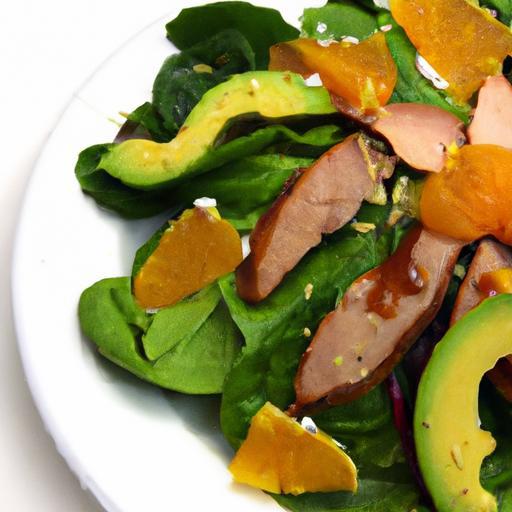
- Plate zucchini noodles first, then top with the beef and egg scramble mixture. garnish with diced avocado for creaminess and a radiant pop of color.
chef’s Notes
- make it dairy-free: Substitute heavy cream with coconut cream and skip Parmesan or use nutritional yeast.
- Boost omega-3s: Add a tablespoon of ground flaxseed or chia seeds on the side.
- Meal Prep Friendly: This dish keeps well for up to 3 days refrigerated. Reheat gently to preserve texture.
- Protein Swap: Ground turkey or bison are excellent alternatives to beef, keeping fat macro targets intact.
- Supplemental Fuel: Consider pairing with a keto-adapted BCAA whey isolate post-workout for enhanced muscle recovery.
Serving Suggestions
Enjoy this meal hot, topped with freshly ground black pepper and a sprinkle of microgreens for vibrant freshness. Serve alongside a side of fermented vegetables, like kimchi or sauerkraut, to support gut health vital for nutrient absorption during intense training cycles. A crisp, cold cup of electrolyte-enhanced herbal tea makes a refreshing complement that helps maintain hydration.

| Nutrient | Per Serving |
|---|---|
| Calories | 520 kcal |
| Protein | 42g |
| Carbohydrates | 6g net carbs |
| Fat | 36g |
For further enhancing yoru keto muscle-building journey, check out our comprehensive keto supplements guide. For scientifically-backed performance tips, the national Institutes of Health offers valuable insights into ketogenic diets and muscle metabolism.
Q&A
Q&A: Fuel Gains - Crafting a Keto Meal Plan for Muscle Growth
Q1: What makes the ketogenic diet suitable for muscle growth?
A1: While traditionally associated with weight loss, the ketogenic diet can support muscle growth by optimizing fat metabolism and maintaining stable insulin levels.This metabolic shift encourages the body to utilize fat for energy, preserving muscle glycogen and promoting lean muscle retention when paired with adequate protein and resistance training.
Q2: How do you balance macronutrients in a keto meal plan aimed at building muscle?
A2: A muscle-focused keto plan typically emphasizes moderate protein intake (around 1.2 to 2.0 grams per kilogram of body weight), high healthy fats (60-75% of daily calories), and very low carbohydrates (usually under 50 grams per day). This balance sustains ketosis while providing enough amino acids for muscle repair and growth.
Q3: What are some keto-friendly foods that help promote muscle gain?
A3: Rich sources include fatty fish (like salmon), eggs, avocados, nuts, seeds, olive oil, and low-carb veggies such as spinach and broccoli.For protein, options like grass-fed beef, poultry, and whey isolate can complement the high-fat base and aid muscle synthesis.
Q4: how importent is timing in a keto muscle-building meal plan?
A4: While keto dieters often focus less on carb timing, nutrient timing remains crucial. Consuming protein evenly spaced throughout the day supports muscle protein synthesis, and post-workout meals rich in protein and fats can aid recovery without disrupting ketosis.
Q5: Can you build muscle on keto without traditional carb-loading?
A5: Yes. Though carbs enhance glycogen stores, many athletes successfully build muscle on keto by maximizing fat oxidation and maintaining requisite protein intake. Strategic “targeted keto” approaches allow minimal carbs around workouts to further support performance without exiting ketosis.
Q6: What are common challenges when combining keto and muscle building, and how can they be overcome?
A6: Common hurdles include maintaining energy levels during workouts, meeting protein needs without exceeding carb limits, and ensuring electrolyte balance. Overcoming these involves carefully choosing nutrient-dense foods,supplementing with minerals like magnesium and potassium,and possibly incorporating targeted carb consumption for intense training sessions.
Q7: Is supplementation necessary on a keto muscle-building plan?
A7: Supplementation can help fill gaps; often recommended are branched-chain amino acids (BCAAs), creatine, omega-3s, and electrolytes. These aid performance, recovery, and overall health without compromising ketosis.
Q8: How long does it take to see muscle gains on a keto diet?
A8: Muscle growth timelines vary individually but with consistent resistance training and proper nutrition, initial gains can be seen within 4 to 8 weeks. Patience and adherence to the plan are key, as keto adaptations may take a few weeks to stabilize energy and performance.
By combining strategic fat intake with adequate protein and mindful planning, the ketogenic diet can be a powerful catalyst for muscle growth-fueling gains while keeping carbs at bay.
In summary
As you embark on your journey to build muscle while embracing the keto lifestyle, remember that crafting the perfect meal plan is both an art and a science. Balancing the right fats, moderate proteins, and low carbs fuels not only your muscles but also your motivation. With thoughtful planning and a bit of experimentation, you can turn your kitchen into a powerhouse of gains-nourishing your body and strengthening your goals, one tasty keto meal at a time.