
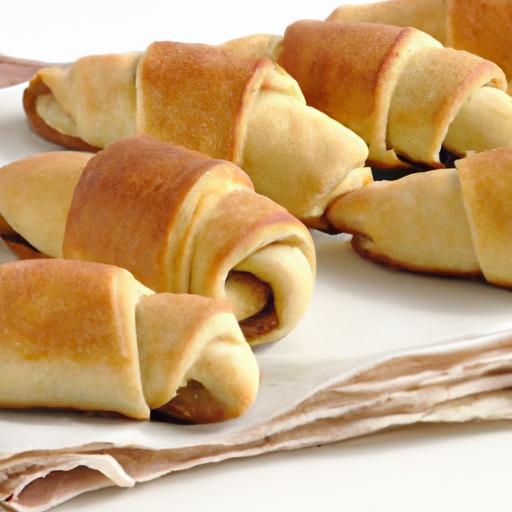
There’s something undeniably magical about the perfect crescent roll: golden, flaky layers that melt in your mouth with just the right hint of buttery richness. For those navigating a gluten-free lifestyle, capturing that delicate texture can feel like chasing a culinary myth. but fear not-gluten-free baking has evolved,and so have the crescent rolls. In this article, we’ll explore the best gluten-free crescent rolls that deliver on lightness and flakiness, proving that you don’t have to sacrifice taste or texture to enjoy this classic pastry. Whether you’re a seasoned gluten-free baker or simply curious to try, get ready to discover flaky delights that elevate every bite.
Flaky & Light gluten-free crescent rolls capture the magic of traditional pastries while catering to those with dietary restrictions. Achieving that signature delicate, airy layering without gluten’s elastic network is a culinary science-and with the right ingredients and techniques, it’s thoroughly possible to create irresistible rolls that flake perfectly and melt in your mouth.
Prep and Cook Time
- Preparation: 25 minutes
- Rising: 60 minutes
- Baking: 15 minutes
- Total Time: Approximately 1 hour 40 minutes
Yield
Makes 12 beautifully flaky gluten-free crescent rolls, perfect for brunch or an elegant bread basket.
Difficulty Level
Medium – Requires attention to technique, especially when folding the dough, but rewarding for anyone cozy with baking basics.
ingredients
- 2 ½ cups gluten-free all-purpose flour blend (ensure it contains xanthan gum or add 1 tsp separately)
- 1 tbsp granulated sugar
- 1 tsp instant yeast
- ½ tsp salt
- 1 tsp baking powder
- ¾ cup warm whole milk (110°F)
- 3 tbsp unsalted butter, melted plus extra for lamination
- 2 large eggs, room temperature
- ¼ cup sour cream or full-fat Greek yogurt for moisture and tenderness
- Optional: 1 tsp apple cider vinegar (improves rise and texture)
Instructions
- Activate the yeast: In a small bowl, whisk warm milk, sugar, and yeast. Let sit 5-7 minutes until frothy to ensure yeast is active.
- Mix dry ingredients: In a large bowl, combine gluten-free flour, salt, and baking powder. Mix briefly to distribute.
- Combine wet ingredients: In a separate bowl,whisk eggs,melted butter,sour cream,and vinegar (if using) until smooth.
- Form dough: Add the yeast mixture and wet ingredients to the dry mix. Stir with a wooden spoon until a sticky dough forms. Gluten-free dough won’t be elastic but should be cohesive.
- First rise: Cover the bowl with a damp towel or plastic wrap and let the dough rise in a warm place for about 60 minutes, until slightly puffed but not doubled.
- Prepare for folding: Lightly flour a clean surface with gluten-free flour. Transfer dough and pat into a rough rectangle about ½ inch thick.
- Lamination process: Brush the dough evenly with melted butter, fold into thirds like a letter, then gently press to form another rectangle.Repeat this process 2-3 times, chilling for 10 minutes between folds to encourage flakiness without toughening the dough.
- Shape crescents: Roll the dough into a large ¼-inch thick circle. Cut into 12 equal triangles. Starting from the wide end, gently roll each triangle towards the tip, slightly stretching for a classic crescent shape. Place on a parchment-lined baking sheet.
- Final rise: Cover the shaped crescents and allow them to rise 20-30 minutes until puffy but not overexpanded.
- Bake to perfection: Preheat oven to 375°F (190°C). Brush crescents with melted butter or egg wash for a golden crust. Bake for 12-15 minutes until flaky and a light golden brown hue appears.
Chef’s Notes
- Flour choice: Use a high-quality gluten-free flour blend designed for baking, containing rice flour, tapioca starch, and xanthan gum. Avoid single-flour bases alone for better texture.
- Butter incorporation: Unlike classic laminated croissants, gluten-free dough benefits more from layered butter brushing rather than traditional folding with slabs of cold butter.
- Moisture control: Sour cream or Greek yogurt adds fat and tang while improving tenderness. Dairy-free alternatives like coconut yogurt can be used but may alter flavor slightly.
- Don’t skip chilling: Brief chilling between folds prevents butter from melting into the dough and helps create distinct flaky layers.
- Make-ahead tip: Prepare crescents to shaping stage,then freeze on the baking tray. Transfer frozen rolls to a zip bag and bake directly from frozen, adding a few extra minutes to baking time.
Serving Suggestions
Serve these crescent rolls warm for the best “flaky & light gluten-free crescent rolls” experience.Pair with herb-infused whipped butter, honey, or a light fruit jam for breakfast. For dinner accompaniments, consider fresh herb butter or a creamy garlic sauce. Garnish rolls with a sprinkle of flaky sea salt, finely chopped fresh rosemary, or toasted sesame seeds for visual appeal and a subtle flavor boost.

| Nutritional Info (per roll) | Calories | Protein | Carbs | Fat |
|---|---|---|---|---|
| Standard serving (1 roll) | 140 kcal | 4 g | 18 g | 6 g |
Top Gluten-Free Flour Brands Delivering Light and Tender Crescent Rolls
For reliably flaky & light gluten-free crescent rolls, brands like Bob’s Red Mill Gluten-Free 1-to-1 Baking Flour, King Arthur’s Gluten-Free Measure for Measure flour, and Cup4Cup all provide thoughtfully balanced blends to achieve that tender crumb and crisp layers. Each offers a blend of rice flour, starches, and gums specially calibrated to mimic gluten’s structure.
Expert Tips for Baking Perfect Gluten-Free Crescents at Home
- Maintain consistent room temperature during rising phases; too cold and the dough will barely rise, too hot and it may overproof.
- Handle dough gently; gluten-free variants lack elasticity, so knead or fold sparingly to avoid dense rolls.
- Use an oven thermometer to ensure precise baking temperature, as inconsistent heat affects rise and flakiness.
- Test doneness by tapping: rolls should sound hollow and feel springy but not gummy.
- Experiment with flavored butters inside the rolled dough for a surprising depth of savory or sweet notes.
For more gluten-free baking inspiration, check our guide on Mastering Gluten-Free Pastry Techniques and discover the nuances behind perfecting doughs without compromise.
Q&A
Q&A: Flaky & Light – Discover the Best Gluten-Free Crescent Rolls
Q1: Why are gluten-free crescent rolls frequently enough less flaky and light compared to traditional ones?
A1: Gluten acts as the structural protein in wheat-based doughs, giving them elasticity and the ability to trap air bubbles that create a flaky, tender texture. Without gluten, gluten-free doughs can be denser or crumbly. Achieving that delicate flakiness requires option ingredients and techniques optimized for gluten-free baking.
Q2: What ingredients help make gluten-free crescent rolls flaky and light?
A2: A combination of gluten-free flours-such as rice flour, tapioca starch, or almond flour-along with binders like xanthan gum or psyllium husk can mimic gluten’s properties. Additionally, cold butter or shortening layered into the dough creates steam pockets that separate layers, enhancing flakiness.
Q3: Are there any special techniques to improve the texture of gluten-free crescent rolls?
A3: Yes! Chilling the dough multiple times during preparation helps keep the fat cold and allows it to form distinct layers. Also, rolling and folding the dough, similar to traditional puff pastry methods, encourages flakiness.Baking at the right temperature ensures the rolls rise properly and develop a golden crust.
Q4: Can I find good pre-made gluten-free crescent rolls at the store?
A4: While options are growing, many store-bought gluten-free crescent rolls vary in quality. Some brands prioritize texture and flavor, but homemade versions frequently enough outperform them as you can control ingredients and techniques. If convenience is key, look for products with positive reviews highlighting their flakiness and lightness.
Q5: How do gluten-free crescent rolls taste compared to traditional ones?
A5: When done right, gluten-free crescent rolls can be just as buttery and tender, with a subtle nutty or sweet flavor depending on the flour blend. While they may not be identical, their unique texture and taste can be just as satisfying, especially when paired with your favorite fillings or toppings.
Q6: Any tips for beginners trying to make gluten-free crescent rolls at home?
A6: start with a trusted recipe designed for gluten-free doughs. Use very cold butter and don’t skip chilling steps. Handle the dough gently and avoid overworking it, which can cause toughness. Experiment with different flour blends to find what suits your taste and texture preferences best.
Q7: What dishes pair well with gluten-free crescent rolls?
A7: These rolls complement soups, salads, and charcuterie boards beautifully. They’re perfect for breakfast stuffed with eggs and cheese,or as a flaky vessel for savory fillings like ham and spinach.Their versatility shines in both sweet and savory dishes.
Discovering the best gluten-free crescent rolls opens a world where flaky layers and light textures meet dietary needs without compromise. Whether homemade or store-bought,these rolls can transform your meals into flaky,buttery delights everyone can enjoy.
In Retrospect
Whether you’re baking for a special occasion or simply craving a buttery, flaky treat without gluten, these crescent roll recipes prove that deliciousness knows no boundaries. With each tender layer and golden curl, gluten-free baking continues to redefine comfort food – inviting everyone to indulge in the magic of homemade goodness. So next time you reach for a roll, remember: flaky and light can be yours, no matter the diet. Happy baking!