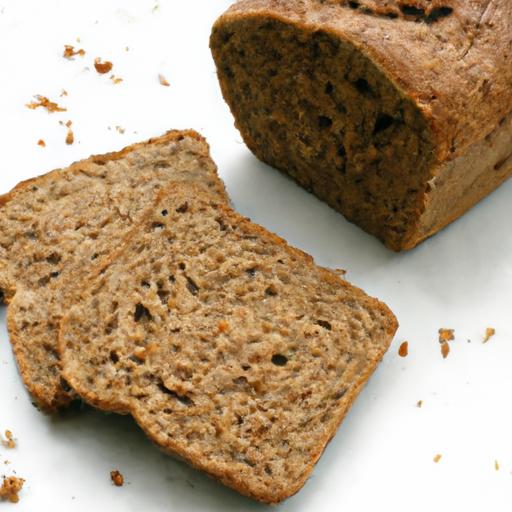

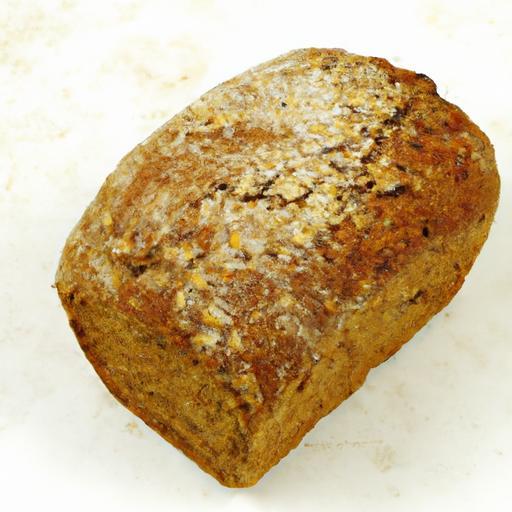
In a world where dietary needs and culinary creativity intersect, gluten-free options have become more than just alternatives-they are opportunities to explore new flavors and textures. enter teff, an ancient grain with a modern appeal, offering a wholesome twist to conventional bread. This tiny seed,packed with nutrients and naturally free from gluten,promises not only health benefits but also a rich,slightly nutty taste that can transform your baking routine. In this article, we delve into the nourishing qualities of teff bread, uncovering why it’s capturing the attention of health enthusiasts and food lovers alike as a nourishing, gluten-free staple.
Wholesome Gluten-Free Teff Bread offers a unique and flavorful way to bring an ancient grain back into the spotlight, blending rich Ethiopian heritage with modern baking techniques. This nutrient-dense loaf is a gorgeous canvas for anyone embracing gluten-free living without sacrificing texture or flavor. Known for its tiny grains and hearty profile, teff imparts a subtly nutty taste that’s both comforting and elegant. Whether you’re a seasoned baker or new to gluten-free breads, mastering this recipe will elevate your pantry and inspire wholesome meals.
Prep and Cook Time
- Preparation: 20 minutes
- Rising time: 1 hour 45 minutes
- Baking time: 45 minutes
- Total: 2 hours 50 minutes
Yield
1 medium loaf (approximately 10 slices)
Difficulty Level
Medium – ideal for bakers agreeable with gluten-free dough handling but approachable for adventurous beginners
Ingredients
- 2 cups teff flour,finely ground
- 1/2 cup tapioca starch (for elasticity)
- 1/4 cup potato starch (adds moisture and lightness)
- 1 1/4 cups warm water,around 110°F (43°C)
- 2 tbsp unsweetened plain yogurt or dairy-free alternative
- 1 tbsp active dry yeast
- 2 tbsp honey or maple syrup
- 1 tsp sea salt
- 2 tbsp olive oil (plus extra for greasing)
- 1 tsp apple cider vinegar (improves rise and texture)
Instructions
- activate the yeast: In a small bowl,combine the warm water,honey,and active dry yeast. Stir gently and let it sit for 8-10 minutes until frothy. This signals that your yeast is alive and ready.
- Mix dry ingredients: In a large bowl,whisk together the teff flour,tapioca starch,potato starch,and sea salt. This ensures even distribution for uniform texture.
- Combine wet elements: In another bowl, stir the yogurt, olive oil, and apple cider vinegar into the activated yeast mixture.
- Make the dough: Gradually pour the wet ingredients into the dry mix. Using a wooden spoon or spatula, stir until a sticky, cohesive batter forms. the dough won’t behave like traditional wheat dough; expect it to be slightly tacky and thick.
- First rise: Cover the bowl with a damp towel or plastic wrap.Place it in a warm, draft-free spot and let the dough rise for about 1 hour or until it doubles in size. This step is crucial for the bread’s airy crumb.
- Prepare the loaf pan: Lightly grease a 9×5 inch loaf pan with olive oil. For a rustic crust, you may line with parchment paper.
- Transfer and second rise: Using a spatula, scrape the dough into the prepared pan and smooth the top. Cover loosely and let it rise again for 30-45 minutes until puffy.
- Bake: preheat your oven to 375°F (190°C). Place the loaf on the middle rack. Bake for about 45 minutes or until the crust is golden brown and a toothpick inserted in the center comes out clean.
- Cool: Remove from the pan, place on a wire rack, and let cool entirely before slicing. Cooling is key to setting the crumb and enhancing flavor.
Tips for Success
- Adjust hydration: Teff flour absorbs water differently depending on humidity. If dough feels too dry, add water 1 tablespoon at a time until you reach a sticky consistency.
- Flavor variations: Incorporate herbs like rosemary or add toasted seeds (pumpkin, sesame) on top before baking for extra texture and aroma.
- Make ahead: This bread keeps well in a sealed container at room temperature for two days or freeze sliced for up to 3 months.
- Troubleshooting: If the bread feels dense, check yeast freshness and rising environment warmth. A warmer spot accelerates rising, improving crumb lightness.
- Optional addition: For increased protein, mix in 1/4 cup finely ground flaxseed or chia seeds.
Creative Serving Suggestions
This gluten-free teff bread shines fresh, toasted, or as the foundation for your favorite sandwiches.Try these inspiring ideas:
- Spread with whipped herbal butter and a drizzle of local honey for a morning boost.
- Layer thin slices with smoked salmon, cream cheese, and capers for a sophisticated brunch.
- Use as a base for open-faced avocado toast, topped with chili flakes and lemon zest for a zesty finish.
- Toast, then rub with garlic and a sprinkle of smoked paprika before drizzling with olive oil to create a rustic bruschetta.
- Serve alongside rich, savory soups like roasted tomato or Moroccan lentil for a comforting meal.
| Nutrient | Per Slice (approx.) |
|---|---|
| Calories | 120 kcal |
| Protein | 4 g |
| Carbohydrates | 22 g |
| Fat | 3 g |
| Fiber | 3 g |

For more gluten-free baking inspiration,don’t miss our guide on Gluten-free Sourdough Bread.
Discover scientific insights on teff’s nutritional profile at NCBI – Teff Grain Nutritional Benefits.
Q&A
Q&A: Wholesome Gluten-Free Teff Bread – A Nutritious Twist
Q: What is teff, and why is it gaining popularity in gluten-free baking?
A: Teff is a tiny ancient grain native to Ethiopia, known for its rich nutty flavor and remarkable nutrient profile. It’s naturally gluten-free, making it an excellent choice for those with gluten sensitivities or celiac disease.Its rising popularity stems from its versatility in the kitchen and its ability to add both nutrition and a unique texture to baked goods.
Q: How does teff bread differ from traditional wheat bread?
A: Unlike wheat bread, teff bread is gluten-free, which means it lacks the elasticity gluten provides. This results in a denser, more crumbly crumb, but with a pleasant earthiness and a slightly sweet, malt-like undertone. teff bread frequently enough has a heartier texture and a richer nutritional content, boasting higher fiber, protein, and essential minerals like calcium and iron.
Q: What makes teff bread a “wholesome” option?
A: Teff bread earns the “wholesome” label as it is indeed crafted from a whole grain that delivers complex carbohydrates, fiber, essential amino acids, and vital micronutrients. It supports digestive health, provides sustained energy, and contributes to balanced nutrition without relying on refined flours or artificial additives.Q: Can teff bread be easily incorporated into a gluten-free diet?
A: Absolutely! Teff flour can be blended with other gluten-free flours to achieve a pleasing texture, or used on its own for a truly authentic taste. Many gluten-free bakers appreciate teff for its binding properties and its ability to produce a bread that holds together without the need for excessive additives.
Q: Are there any particular health benefits associated with eating teff bread?
A: Yes, the benefits include improved digestive health due to its fiber content, better blood sugar regulation thanks to its low glycemic index, and a boost in iron and calcium which supports bone health and energy levels. It’s also a good source of resistant starch, which acts as a prebiotic to nurture gut bacteria.
Q: What are some creative ways to enjoy wholesome gluten-free teff bread?
A: Teff bread shines as a rustic base for open-faced sandwiches topped with avocado, roasted veggies, or cured meats. Toasted, it pairs wonderfully with nut butters or honey for a nutritious breakfast. It can also be the perfect companion to soups and stews, soaking up flavors with its hearty crumb.
Q: Is baking with teff flour challenging for beginners?
A: Baking with teff flour can require some experimentation because it behaves differently than wheat flour. However, many bakers find it rewarding. Start by mixing teff with other gluten-free flours and using xanthan gum or psyllium husk as binders. Over time,you’ll discover the right ratios and techniques to achieve your perfect loaf.
Q: Where can one find teff flour for baking?
A: Teff flour is becoming more widely available at health food stores, specialty grocery shops, and online retailers. Look for organic or whole grain teff for the best nutritional value and flavor.
Q: why should someone consider switching to teff bread?
A: Choosing teff bread means embracing an ancient grain that offers a flavorful, nutrient-dense alternative to traditional bread. It’s a wholesome solution for those seeking gluten-free options without compromising on taste or nutrition-a genuinely nutritious twist to your bread basket.
Concluding Remarks
In embracing teff as the heart of your gluten-free baking,you’re not just choosing a bread-you’re inviting a rich,ancient grain into your modern kitchen. This wholesome gluten-free teff bread offers more than just nutrition; it carries a story of tradition, resilience, and nourishment. Whether enjoyed warm with a pat of butter or as the base for your favorite sandwich, teff bread brings a unique texture and depth of flavor to the table. As you explore this nutritious twist, you open the door to creativity and wellness, proving that gluten-free can be both wholesome and delicious.