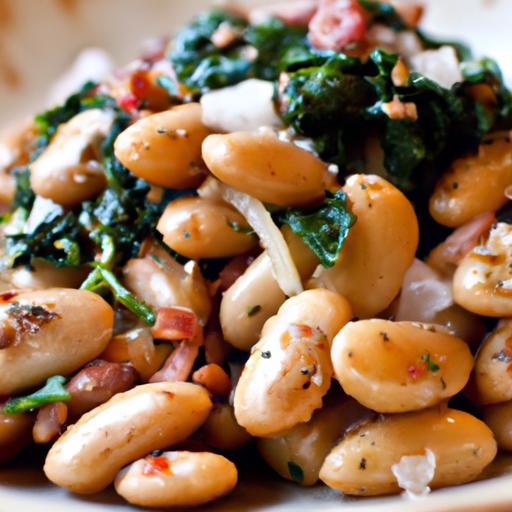

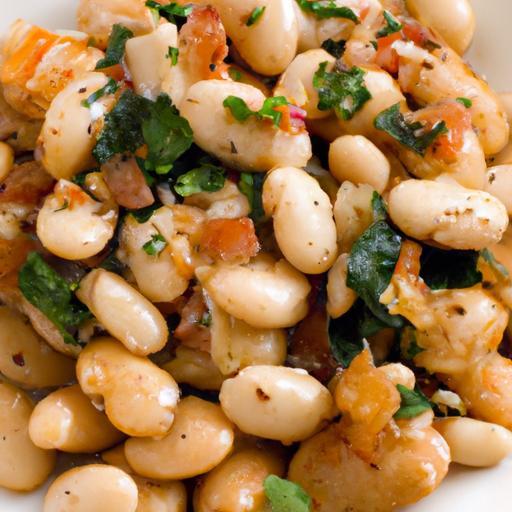
Greek Giant Beans : In the heart of Greek cuisine lies a humble yet remarkable dish that embodies tradition, flavor, and comfort: Gigantes Plaki. These giant beans, tenderly baked in a rich tomato sauce with fragrant herbs and olive oil, tell a story of sun-soaked Mediterranean fields and centuries-old recipes passed down through generations. More than just a meal, Gigantes plaki represents the soul of Greek home cooking-simple ingredients transformed into a dish of satisfying depth and warmth. Join us as we explore the art and history behind these beautifully baked giant beans, bringing a taste of Greece straight to your table.
Gigantes Plaki is a timeless emblem of Greek cuisine, where large butter beans soak in the vibrant flavors of herbs, tomatoes, and olive oil. This hearty baked bean dish not only warms the table but also carries rich cultural meaning dating back to the rustic kitchens of the mediterranean. As one of the most cherished vegetarian staples, it embodies tradition, community, and the magic of simple ingredients elevated through slow cooking.
Origins and Cultural Significance of Gigantes Plaki
Rooted deeply in Greek culinary history, Gigantes Plaki holds a special place in the hearts of locals and visitors alike. Originating from the Peloponnese region,the dish celebrates the marvel of the gigantes or giant beans,symbolic of abundance and hospitality. Traditionally served as a satisfying main or part of a meze spread, it reflects the Mediterranean philosophy of wholesome, seasonal, and plant-based eating. This recipe is often enjoyed during family gatherings and religious fasting periods, reinforcing its role as comfort food with spiritual undertones.
Selecting the best Giant Beans for Authentic Flavor
choosing the right beans is the cornerstone of this recipe. For true authenticity, seek out dried gigante beans, which are large, creamy white, and slightly oval-shaped. These beans, sometimes called butter beans, have a subtle earthy sweetness and hold their shape beautifully during slow baking. Avoid canned beans, which tend to be overly soft and lack the depth of flavor developed through soaking and careful cooking. If you can find them, organic and locally sourced dried gigantes beans often provide superior texture and taste.
Prep and Cook Time
- preparation Time: 20 minutes (plus 8-12 hours soaking)
- Cooking Time: 1 hour 30 minutes (baking)
Yield
Serves 6 generously as a main or 8 as part of a mezze platter
Difficulty Level
Medium - Requires planning for soaking and slow baking, but easy to master
Ingredients
- 1 pound (450g) dried gigantes beans, soaked overnight
- 1 large yellow onion, finely chopped
- 3 cloves garlic, minced
- 1 large carrot, diced
- 1 celery stalk, diced
- 28 ounces (800g) canned crushed tomatoes
- 1/4 cup (60ml) extra virgin olive oil
- 1 tablespoon tomato paste
- 1 teaspoon dried oregano
- 1 teaspoon dried thyme
- 2 bay leaves
- 1/2 cup fresh parsley, chopped, plus more for garnish
- Salt and freshly ground black pepper, to taste
- Water or vegetable broth, as needed
- Juice of 1 lemon (optional for finishing)
Step-by-Step Guide to Preparing Traditional Gigantes Plaki
- Soak the beans: Rinse the dried gigantes beans thoroughly, then soak them in ample cold water overnight (8-12 hours) to soften.
- Pre-cook the beans: Drain and rinse the soaked beans. place them in a large pot, cover with fresh water, bring to a boil, then simmer gently for 30-40 minutes until just tender but not mushy. Drain and set aside.
- Sauté aromatics: Preheat your oven to 350°F (175°C).In a large skillet, heat olive oil over medium heat. Add the chopped onion, carrot, and celery. Sauté until the vegetables turn soft and the onion is translucent, about 7-8 minutes. Stir in minced garlic and cook for another 1 minute.
- Build the sauce: Add tomato paste and stir to caramelize slightly, then pour in crushed tomatoes, oregano, thyme, bay leaves, salt, and pepper. Simmer the sauce uncovered for 10 minutes until it thickens and the flavors meld.
- Combine beans and sauce: Transfer the pre-cooked beans to a large ovenproof baking dish. Pour the tomato and vegetable sauce over the beans, gently folding so they’re evenly coated.Add a splash of water or broth if the mixture feels too thick.
- Bake gently: Cover with foil and bake for about 60-75 minutes. Remove foil in the last 10 minutes to allow the top to brown slightly. The beans should be tender and the sauce rich and slightly caramelized.
- Finish and garnish: Stir in fresh parsley and lemon juice (if using) just before serving, adding brightness and freshness.
Tips for Enhancing and Serving Your Greek Baked beans
Enhance the dish by adding chopped smoked paprika or crushed red pepper flakes for a subtle heat. For a deeper umami touch,stir in a splash of soy sauce or miso paste during step 4. This dish also pairs beautifully with freshly baked rustic bread or warm pita to soak up its luscious sauce.
Serving suggestions include a topping of crumbled feta cheese or a drizzle of extra virgin olive oil. Garnish with additional chopped parsley and a wedge of lemon on the side to brighten each bite. Serve alongside a crisp Greek salad or pickled vegetables to create a balanced and colorful Mediterranean feast.
Chef’s Notes
- Make ahead: Gigantes Plaki tastes even better the next day as flavors deepen. Store in an airtight container in the refrigerator for up to 3 days or freeze in portions.
- Bean substitution: If gigantes beans are unavailable, large butter beans or lima beans make a suitable alternative.
- Texture tip: Avoid overcooking beans initially-firm but cooked beans hold shape best in the oven.
- Vegan and gluten-free: This recipe is naturally vegan and gluten-free; just verify your tomato paste does not contain additives.
| Nutrient | Per serving |
|---|---|
| Calories | 280 kcal |
| protein | 14 g |
| Carbohydrates | 40 g |
| Fat | 6 g |

Explore other traditional Mediterranean dishes in our Greek meze recipes collection or learn more about Greek bean dishes at Britannica for culinary and cultural context.
Q&A
Q&A: Gigantes Plaki – Greek Giant beans Baked to Perfection
Q: What exactly are Gigantes Plaki?
A: Gigantes Plaki is a traditional Greek dish featuring gigante beans-large,tender white beans-baked slowly in a rich tomato sauce with herbs and olive oil. The name “Plaki” refers to the baking method, which brings out deep, comforting flavors.
Q: Where do the beans used in Gigantes Plaki come from?
A: The gigante beans are native to Greece and the Mediterranean region. Their size and creamy texture make them ideal for absorbing the robust flavors of the tomato-herb sauce, resulting in a hearty and satisfying dish.Q: What are the main ingredients in Gigantes Plaki?
A: The core ingredients include gigante beans, tomatoes (often fresh or canned), olive oil, onions, garlic, carrots, parsley, dill, and sometimes a splash of red wine or vinegar for depth. Seasonings like bay leaves, cinnamon, or allspice can also appear depending on regional variations.
Q: How is Gigantes Plaki traditionally prepared?
A: The beans are soaked overnight and then simmered until tender. Meanwhile, a sauce is prepared by sautéing onions, garlic, and carrots, then adding tomatoes and herbs. The beans are combined with the sauce in a baking dish and slow-roasted until the flavors meld and the top develops a slight crust.Q: Is Gigantes Plaki typically served as a main dish or a side?
A: While it can be a filling vegetarian main course, especially when paired with crusty bread or a salad, Gigantes Plaki is often served as a meze (appetizer) in Greek cuisine. Its rich flavor and substantial texture make it versatile across the meal.
Q: What makes Gigantes Plaki special compared to other bean dishes?
A: The uniqueness lies in the giant size of the beans and the baking process. Baking allows the sauce to thicken and intensifies the melded flavors.The use of fresh herbs and quality olive oil also elevates this humble dish into a nuanced and fragrant experience.
Q: Can Gigantes Plaki be adapted for modern diets?
A: Absolutely. Gigantes Plaki is naturally vegan and gluten-free, making it suitable for plant-based and allergy-conscious diets. For added protein, some might include feta on the side or pair it with whole grains. Slow cooking and baking enhance digestibility and flavor without added fats.
Q: When is Gigantes Plaki typically enjoyed?
A: It’s a year-round favorite in Greece but often shines during autumn and winter months when hearty,warming dishes are preferred. It’s also common during religious fasting periods, given its plant-based nature.
Q: How can someone new to Greek cuisine best enjoy Gigantes Plaki?
A: Serve it warm with rustic bread and a side of fresh salad or pickled vegetables. Pair with a crisp white wine or a refreshing lemonade. Its comforting texture and bright flavors provide a perfect introduction to the heart of Greek home cooking.
The Way Forward
Whether enjoyed as a hearty main dish or a comforting side, Gigantes Plaki invite you to savor the rich traditions of Greek cuisine in every tender, baked bean. This timeless recipe, with its harmonious blend of aromatic herbs, tangy tomato sauce, and melt-in-your-mouth beans, offers more than just a meal-it’s a taste of history on a plate. So, next time you seek a dish that combines simplicity with soulful flavor, let Gigantes Plaki guide you to the heart of Greece’s culinary heritage.