
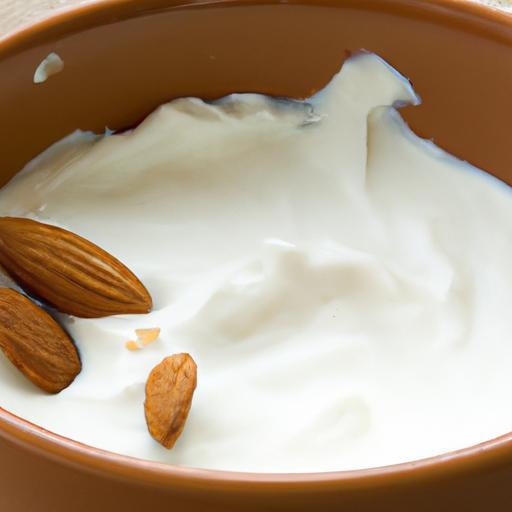
In the world of plant-based alternatives,few creations capture the essence of tradition and innovation quite like Greek-style almond milk yogurt.This creamy delight bridges the gap between time-honored dairy techniques and the growing demand for nutritious, non-dairy options. Crafted with care and attention to texture and flavor, almond milk yogurt offers a luscious experience that is both familiar and refreshingly new. Whether enjoyed as a breakfast staple, a versatile ingredient, or a wholesome snack, this Greek-inspired treat invites a closer look at how almond milk can be transformed into something truly special.
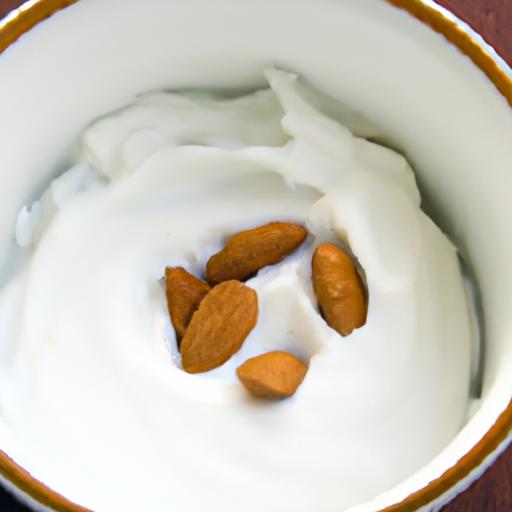
Crafting creamy Delights: Greek-Style Almond Milk yogurt brings a refreshing plant-based twist to classic Mediterranean flavors. This luscious yogurt marries the nutty essence of almonds with the thick, velvety texture reminiscent of conventional Greek yogurt. Its origin traces back to adapting ancient fermentation techniques using dairy alternatives, making it an exciting canvas for those seeking creamy, dairy-free options without compromising richness or tang.
Prep and Cook Time
- Readiness: 15 minutes
- Fermentation Time: 12-14 hours
- Total Time: Approximately 14 hours 15 minutes
Yield
About 4 cups (serves 4)
Difficulty Level
Medium – requires attention to fermentation process and texture adjustments
Ingredients
- 4 cups unsweetened, high-quality almond milk (preferably homemade or additive-free)
- 2 tablespoons plain, dairy-free probiotic yogurt starter or store-bought almond milk yogurt (for culture)
- 2 tablespoons tapioca starch or arrowroot powder (to thicken)
- 1 tablespoon maple syrup or agave nectar (optional enhancer for fermentation)
- 1 pinch sea salt
Instructions
- Warm the almond milk: In a saucepan, gently heat 4 cups of almond milk over medium-low heat until it reaches 110°F (43°C). This temperature is crucial for activating the kind bacteria while protecting them from heat damage. Use a kitchen thermometer for accuracy.
- Mix starch slurry: In a small bowl, whisk 2 tablespoons tapioca starch with ½ cup cold almond milk until smooth. Slowly pour this into the warm almond milk, whisking continuously to prevent lumps.Continue heating until it thickens subtly and coats the back of a spoon-usually 5 minutes.
- Cool and inoculate: Remove from heat and cool the almond milk mixture to around 100°F (38°C). Stir in the probiotic starter, maple syrup (if using), and a pinch of salt. This helps kickstart fermentation and balances flavor.
- Ferment: transfer the mixture into a clean glass or ceramic container. Cover loosely with a cloth or lid and place in a warm (ideally 75-85°F/24-29°C), draft-free spot. Let ferment undisturbed for 12 to 14 hours until it sets with a tangy aroma and creamy texture develops.
- Strain (optional): For authentic Greek-style thickness,strain the yogurt through a fine muslin or nut milk bag over a bowl for 2-4 hours in the fridge,allowing excess liquid (whey) to drain.
- Refrigerate and chill: Transfer the strained yogurt to airtight containers and refrigerate for at least 4 hours before serving. Cold chilling deepens flavors and solidifies creaminess.
Tips for Success and Storage
- Choose unsweetened, preservative-free almond milk for the base; homemade almond milk yields the creamiest results.
- Maintaining precise fermentation temperatures is key; too warm may kill cultures, too cool slows fermentation.
- If the yogurt is too thin, increase starch slightly or extend straining time.
- Store homemade yogurt in a sealed container in the fridge for up to 7 days. Fresh probiotic life and texture peak within the first 3-4 days.
- For flavor variation, stir in fresh fruit purees, vanilla bean, or a drizzle of honey after fermentation is complete.
- If you want to boost probiotics, reserve a small amount as your starter for the next batch.
Serving Suggestions
This luscious almond milk yogurt pairs beautifully with:
- Fresh berries, a sprinkle of toasted almonds, and a drizzle of raw honey
- Granola and sliced figs for a refreshing breakfast parfait
- Herbs like mint or dill folded in for a vibrant dip
- As a creamy dollop atop warm spiced oatmeal or roasted fruit

| Nutrient | Per ½ cup serving |
|---|---|
| Calories | 80 |
| Protein | 2g |
| Carbohydrates | 6g |
| Fat | 5g |
for a deeper dive into dairy-free yogurt crafting techniques, explore our ultimate Guide to Dairy-Free Yogurt. To understand probiotics’ health benefits and how fermentation improves your gut, visit Healthline’s probiotics overview.
Q&A
Q&A: crafting Creamy Delights – Greek-Style Almond Milk Yogurt
Q1: What inspired the creation of Greek-style almond milk yogurt?
A1: The inspiration stems from the rising demand for dairy-free alternatives that don’t compromise on texture or flavor. Greek yogurt is beloved for its creamy,thick consistency and tangy taste,so adapting it with almond milk offers a plant-based twist that’s both nutritious and indulgent.
Q2: How does almond milk yogurt differ from traditional Greek yogurt?
A2: Traditional Greek yogurt is made from strained cow’s milk,rich in protein and natural fats. Almond milk yogurt, meanwhile, is crafted from plant-based almonds, making it suitable for vegan and lactose-intolerant diets. While it may have a slightly lighter taste, careful fermentation and thickening techniques achieve the signature creamy texture.
Q3: What key challenges arise when making Greek-style yogurt from almond milk?
A3: One challenge is replicating the thick, creamy consistency since almond milk naturally lacks the casein proteins that help thicken dairy yogurt. Another is cultivating live cultures in a plant base, requiring precise fermentation times and sometimes natural thickeners like agar or tapioca starch to create that luxurious mouthfeel.
Q4: What are the essential ingredients needed for homemade Greek-style almond milk yogurt?
A4: Basic ingredients include fresh almond milk (preferably unsweetened and homemade), a live probiotic starter or cultures, a thickening agent such as agar powder or tapioca starch, and a touch of natural sweetener if desired. Lemon juice or apple cider vinegar might potentially be used to aid fermentation.
Q5: Can the taste and texture be customized?
A5: Absolutely. The duration of fermentation affects tanginess, with longer times yielding a more sour profile.Thickening agents can be adjusted for creaminess, and flavors like vanilla, honey, or fruit purees can be stirred in post-fermentation to create personalized variations.
Q6: How does almond milk yogurt benefit health compared to regular yogurt?
A6: Almond milk yogurt is lower in calories and saturated fat, making it heart-friendly. It’s free from lactose and dairy proteins, ideal for those with allergies or intolerances.Additionally, it provides healthy fats, vitamin E, and probiotics that support digestive health.
Q7: Is Greek-style almond milk yogurt versatile in cooking?
A7: Very much so. Its creamy texture makes it a great base for smoothies, dips, dressings, and parfaits. It can substitute traditional yogurt in baking or as a topping on savory dishes, adding a mild nutty flavor and richness without dairy.Q8: What is the best way to store homemade almond milk yogurt?
A8: Store it in a clean, airtight container in the refrigerator for up to one week. Because it’s homemade and preservative-free, keeping it cold is crucial to maintain freshness and probiotic activity.Q9: Can other nut milks be used to make similar Greek-style yogurts?
A9: Yes. Cashew and macadamia milks also work well due to their natural creaminess. Each nut milk imparts a unique flavor and texture, allowing for creative experimentation beyond almond milk.
Q10: Where can beginners find starter cultures for this yogurt?
A10: Starter cultures are available online or at health food stores and often come as freeze-dried probiotic powders. Some enthusiasts even use a small amount of store-bought dairy-free yogurt as a starter, though pure probiotic strains yield more predictable results.
In Retrospect
As we wrap up our journey into the art of crafting creamy Greek-style almond milk yogurt, it’s clear that this plant-based delight offers more than just a dairy-free option-it’s a canvas for creativity and a celebration of wholesome ingredients. Whether you’re drawn by its velvety texture or the gentle nuttiness that sets it apart, mastering this yogurt invites you to explore new flavors and textures in your kitchen. Embracing such homemade creations not only enriches our palates but also connects us to the satisfying process of transforming simple almonds into a luscious, nourishing treat. So next time you crave a creamy delight, remember that with a little patience and care, your own batch of almond milk yogurt might just become the star of your table.