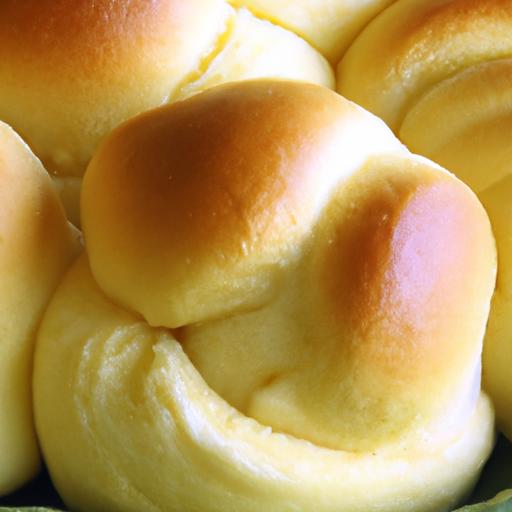

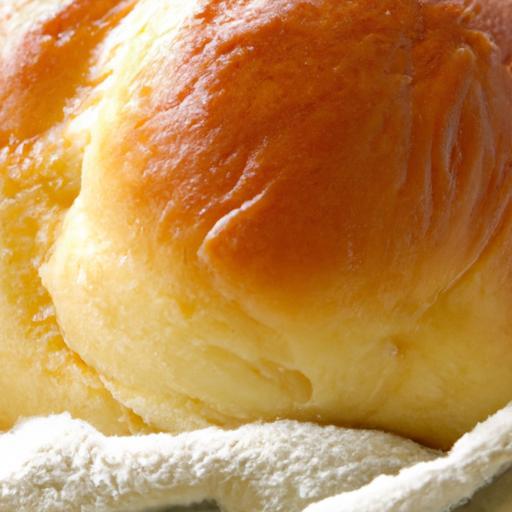
There’s something irresistibly inviting about the soft, pillowy texture of hawaiian sweet rolls-a bread that seems to carry the warmth of island breezes and the sweetness of tropical sunshine in every bite. Fluffy Hawaiian sweet rolls have long held a cherished spot on dinner tables and holiday feasts alike, celebrated not only for their delicate softness but also for their subtly sweet flavor that pairs perfectly with a wide range of dishes. Whether enjoyed fresh from the oven or transformed into sliders and sandwiches, these rolls offer a comforting culinary experience that delights the senses and invites a moment of simple pleasure. in this article, we’ll explore what makes Hawaiian sweet rolls so uniquely soft and sweet, uncovering the secrets behind their delightful texture and timeless appeal.
Fluffy Hawaiian sweet Rolls embody the perfect harmony of tender crumb, subtle sweetness, and pillowy softness that make every bite an irresistible delight. Originating from the Hawaiian Islands and popularized by iconic bakeries, these rolls possess a unique charm that elevates any meal. Drawing on years of culinary expertise and food styling experience, this guide reveals the secret ingredients and step-by-step process to mastering their soft texture, along with creative ideas to enjoy them beyond the usual dinner table staple.
Prep and Cook Time
- Planning: 20 minutes
- Rising: 1 hour 30 minutes (divided in two rises)
- Baking: 18-20 minutes
- Total: Approximately 2 hours 10 minutes
Yield
12 soft,fluffy Hawaiian sweet rolls
Difficulty Level
Easy to Medium – Perfect for beginner bakers ready to impress
Ingredients
- 3 ¾ cups all-purpose flour,sifted
- ¼ cup granulated sugar
- 1 packet (2 ¼ tsp) active dry yeast
- ½ cup pineapple juice,warmed (110°F)
- ¼ cup whole milk,warmed
- 1 large egg,room temperature
- 6 tbsp unsalted butter,softened
- ½ tsp salt
- Optional: 2 tbsp honey for extra sweetness
Instructions
- Activate the yeast: In a small bowl,combine the warmed pineapple juice and warmed milk with the granulated sugar and yeast. Stir gently and let sit for 5-7 minutes until foamy, signaling active yeast.
- Mix dry ingredients: In a large mixing bowl, whisk together the sifted flour and salt. Create a well in the centre for the wet ingredients.
- Combine wet and dry: Add the activated yeast mixture, softened butter, egg, and optional honey into the flour well. Stir with a wooden spoon or dough hook attachment on low speed until a shaggy dough forms.
- Knead to develop gluten: Transfer dough to a lightly floured surface and knead for 8-10 minutes until smooth and elastic. Alternatively,use a stand mixer on medium speed for 6-7 minutes. Proper kneading is key to that fluffy, tender crumb.
- First rise: Shape dough into a ball, place in a lightly oiled bowl, cover with a damp cloth or plastic wrap, and let rise in a warm spot for about 1 hour until doubled in size.
- Shape the rolls: Punch down the dough gently and divide into 12 equal portions (about 60g each). Shape each into a smooth ball by tucking the edges underneath for a uniform rise.
- Arrange and second rise: Place rolls close together but not touching on a greased 9×13-inch baking pan to encourage soft sides.Cover loosely and let rise again for 30-40 minutes until puffy and nearly doubled.
- Bake to perfection: Preheat your oven to 350°F (175°C). Bake rolls for 18-20 minutes until golden brown on top and when tapped, sound hollow. Avoid opening the oven frequently, which can hinder rising.
- Butter glaze: Promptly brush warm rolls with melted butter for a glossy, tender crust. Let them cool slightly before serving to lock in moisture.
Tips for Success
- Ingredient temperature matters: Ensure the pineapple juice and milk are warm but not hot, to activate yeast without killing it.
- Use fresh yeast: Yeast that doesn’t foam means it’s inactive-always perform a yeast proof test.
- Pineapple juice magic: The natural enzymes and sweetness in pineapple juice keep rolls extra soft and subtly flavorful, setting them apart from ordinary sweet breads.
- Kneading technique: if hand-kneading, use a folding and pushing motion for the best gluten progress.
- Rising environment: A warm, draft-free spot like inside a turned-off oven with a bowl of hot water is ideal.
- Make-ahead option: After shaping the rolls, refrigerate overnight covered and bake fresh the next day by allowing a longer second rise (~1 hour).
Creative Ways to Incorporate Hawaiian Sweet Rolls into Your Meals
- Mini sandwiches: slice these fluffy rolls and layer with pulled pork, sliced ham, or grilled chicken for party sliders.
- Breakfast delight: Toast slices lightly and spread with cream cheese and tropical fruit jams to complement their subtle sweetness.
- Sweet-savory pairing: Use as buns for spicy teriyaki burgers or crab cakes for a perfect balance.
- French toast twists: Turn day-old rolls into luscious French toast bites drizzled with coconut syrup for dessert or brunch.
- Bread pudding base: Their delicate texture and mild sweetness lend themselves beautifully to rich bread puddings with pineapple chunks.
Tips for Storing and Reheating to Maintain Freshness
- Store at room temperature in an airtight container or wrapped tightly in plastic wrap for up to 3 days.
- For longer storage,freeze rolls individually in freezer-safe bags for up to 3 months.
- To reheat, wrap rolls in foil and warm in a 300°F oven for 10-12 minutes to retain softness.
- Microwaving briefly (10-15 seconds) wrapped in a damp paper towel can also revive softness without drying out.
| Nutrient | Per Roll (Approx.) |
|---|---|
| Calories | 150 |
| Protein | 4g |
| Carbohydrates | 24g |
| Fat | 4g |
Try pairing these rolls with our Hawaiian Pineapple Coconut Cake for a complete island-inspired meal.
Learn more about the science behind bread softness from King Arthur Baking’s expert guide.

Q&A
Q&A: Fluffy Hawaiian Sweet Rolls – A Soft Bread Delight
Q1: What makes Hawaiian sweet rolls different from other types of bread?
A1: Hawaiian sweet rolls stand out due to their uniquely soft texture and subtly sweet flavor. Unlike regular dinner rolls, they incorporate ingredients like pineapple juice and sometimes mashed potatoes, which add moisture and a gentle sweetness, resulting in that signature fluffy, tender crumb.
Q2: Are Hawaiian sweet rolls best served warm or at room temperature?
A2: While they’re flavorful either way, serving Hawaiian sweet rolls warm enhances their softness and brings out their sweet, rich aroma. A swift toast or warming in the oven also makes them perfect for sandwiches or alongside savory dishes.
Q3: Can I make Hawaiian sweet rolls from scratch at home?
A3: Absolutely! Making them at home involves typical bread-making ingredients plus a few distinctive touches like pineapple juice and brown sugar. the process requires patience with rising times, but the reward is freshly baked rolls that fill your kitchen with a delightful aroma.
Q4: How versatile are these rolls in meal planning?
A4: Very versatile! Their sweet and soft nature complements a variety of meals-from breakfast sliders filled with ham and egg, to side dishes for barbecue ribs or even as a sweet treat with butter and honey.They can adapt seamlessly to both savory and sweet accompaniments.
Q5: do Hawaiian sweet rolls contain any tropical ingredients that could cause allergies?
A5: The primary unique ingredient is pineapple juice, which some people might be sensitive to. Though, the rest of the recipe typically includes common bread basics like flour, yeast, and eggs. Those with allergies should always check recipes or labels carefully.
Q6: what is the best way to store Hawaiian sweet rolls to maintain their softness?
A6: To keep their fluffy texture intact, store the rolls in an airtight container or sealed bag at room temperature for up to two days. For longer storage, freezing is ideal-just thaw and warm them before serving to restore that soft, fresh-baked feel.
Q7: Can Hawaiian sweet rolls be adapted for special diets?
A7: Yes, with some creativity. Gluten-free flour blends or dairy-free substitutes can be experimented with, though these may slightly alter the texture. Vegan versions can replace eggs and butter with plant-based alternatives. The key to success lies in balancing moisture and sweetness to maintain fluffiness.
Q8: Why have Hawaiian sweet rolls become so popular outside of Hawaii?
A8: Their irresistible combination of soft texture and subtle sweetness makes them universally appealing. They evoke a touch of island charm and lend themselves well to a wide range of culinary uses, turning everyday meals into a comforting, slightly exotic experience. Plus, their inviting aroma often wins hearts from the very first bite.
Key Takeaways
in the world of breads, few can claim the tender embrace and subtle sweetness of Hawaiian sweet rolls. Their soft, pillowy texture and delicate flavors invite both nostalgia and delight with every bite.Whether served alongside a hearty meal or enjoyed on their own,these rolls offer a humble yet unforgettable experience-a gentle reminder that sometimes,the simplest ingredients can come together to create something truly remarkable. So next time you seek a bread that feels like a warm hug, reach for a fluffy Hawaiian sweet roll and let its soft charm transport you to a place of comfort and sweetness.