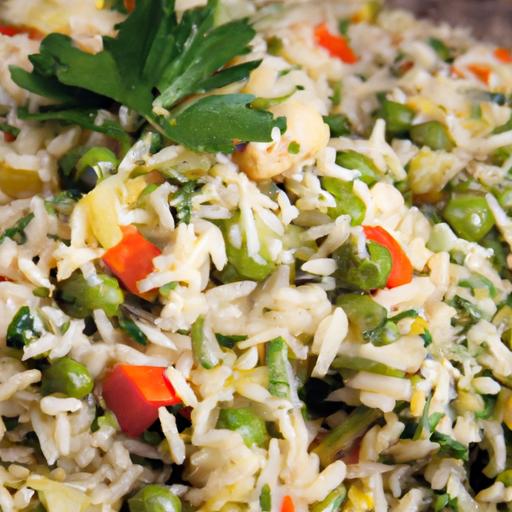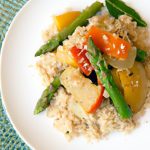

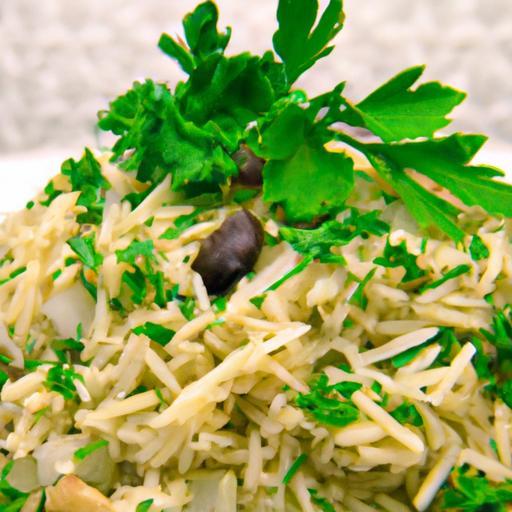
Rice pilaf, a timeless culinary canvas, takes on a new dimension when infused with aromatic herbs. This simple yet elegant dish transforms humble grains into a fragrant symphony of flavors that can elevate any meal. From the subtle earthiness of thyme too the shining notes of parsley and the warmth of rosemary, herb-infused rice pilaf offers a harmonious blend that delights the senses and invites creativity in the kitchen. Whether served alongside roasted meats, fresh vegetables, or enjoyed on its own, this flavorful delight embodies the perfect balance of tradition and innovation.
Unlock the true potential of your Aromatic Herb-Infused Rice Pilaf by selecting the perfect blend of herbs that create layers of vibrant, mouthwatering flavor. The secret lies not only in which herbs you choose but how you master the art of infusion, balancing aromas and textures that breathe life into every grain. Whether you favor fragrant thyme, lively parsley, or sweet basil, this carefully curated guide will help you craft a rice pilaf that delights the senses and enhances any meal.
Choosing the Perfect Herbs to Elevate Your Aromatic Herb-infused Rice Pilaf
Herbs are the soul of any herb-infused pilaf. Opt for fresh herbs like flat-leaf parsley for brightness, fresh rosemary for piney notes, and thyme for a subtle earthiness. Fresh dill or tarragon introduce a delicate anise fragrance, while chives add a mild oniony touch. Dried herbs can be used sparingly but always add them early in cooking to bloom their flavors.Combining leafy herbs with woody ones ensures a multi-dimensional flavor profile that complements the fluffy rice without overpowering it.
Mastering the Art of Infusion for Rich Aromatic Flavors
Start with sautéing shallots or onions in butter or olive oil until translucent and fragrant – this warms the base. Toast your rice briefly to nutty goodness before adding herb-infused broth or stock. Infuse the simmering liquid with whole herb sprigs; thay slowly release their aroma and essential oils into the rice. Cover tightly to trap steam, allowing herbs to gently mingle with every grain.For an extra layer, finish with a sprinkle of fresh chopped herbs just before serving, which adds a burst of freshness and vibrant color.
Balancing Texture and Taste with Ingredient Pairings
Texture is just as vital as flavor. Incorporating nuts like toasted slivered almonds or pine nuts provides a satisfying crunch. Adding finely chopped sautéed mushrooms or diced carrots brings sweetness and earthiness, balancing the herbal notes. For a tangy twist, toss in dried cranberries or raisins. Soft herbs harmonize perfectly with crisp add-ins, ensuring each bite of this aromatic herb-infused rice pilaf offers complex contrast – tender fluffy grains framed by bursts of texture and complementary flavors.
Expert Tips for Serving and Storing Your Herb-infused pilaf
Serve this pilaf alongside grilled meats or roasted vegetables for a stunning centerpiece. Garnish with extra fresh herbs and a squeeze of lemon juice to brighten the dish. it pairs beautifully with Mediterranean or middle Eastern cuisine, adding a fragrant and elegant touch. To store, cool wholly and keep in an airtight container in the refrigerator for up to 4 days. For best results when reheating, sprinkle a few drops of water over the pilaf and warm gently on the stovetop or microwave to revive the texture and aroma.
Prep and Cook Time
- Prep Time: 15 minutes
- Cook Time: 25 minutes
- Total Time: 40 minutes
Yield
Serves 4 generously as a flavorful side dish
Difficulty Level
Easy to Medium - perfect for cooks looking to elevate simple rice dishes with herbaceous flair
Ingredients
- 1 ½ cups long-grain basmati rice, rinsed and drained
- 3 tbsp unsalted butter or olive oil
- 1 medium shallot, finely chopped
- 3 cups low-sodium chicken or vegetable broth
- 1 sprig fresh rosemary
- 3 sprigs fresh thyme
- ½ cup fresh flat-leaf parsley, chopped
- 2 tbsp fresh dill, chopped
- ¼ cup toasted slivered almonds (optional)
- Salt and freshly ground black pepper, to taste
- Fresh lemon juice, for finishing (optional)
Instructions
- Prepare the rice: Rinse the basmati rice under cold water until the water runs clear. Drain well to remove excess starch, ensuring fluffy grains.
- Sauté aromatics: In a large saucepan, melt butter over medium heat. Add the shallot and sauté until translucent and fragrant, about 3 minutes, stirring frequently to avoid browning.
- Toast the rice: Stir in the drained rice, coating it thoroughly with butter and shallot mixture. Toast for about 2-3 minutes until the grains emit a subtle nutty aroma, stirring constantly.
- Add broth and herbs: Pour in the chicken or vegetable broth and add the rosemary and thyme sprigs. Season lightly with salt and pepper. Bring to a gentle boil.
- Simmer and infuse: Reduce heat to low, cover tightly with a lid, and simmer undisturbed for 15 minutes or until the liquid is fully absorbed.
- Rest and fluff: Remove from heat and let the pilaf rest, covered, for another 5 minutes. Remove herb sprigs, then fluff the rice gently with a fork to separate grains.
- Finish with fresh herbs: stir in chopped parsley and dill for a burst of herbal freshness. Add toasted almonds if using for crunch, and adjust seasoning as needed.
- Serve: Transfer to a warm serving dish, garnish with a squeeze of fresh lemon juice if desired, and enjoy promptly.
Chef’s Notes
- Herb Variations: Swap parsley and dill with cilantro and mint for a vibrant twist inspired by Middle Eastern flavors.
- Nuts & Fruits: Toasted pine nuts or pistachios add luxury. For sweetness, toss in chopped dried apricots or golden raisins.
- Make-Ahead: This herb-infused rice pilaf holds flavor well when refrigerated and can be reheated gently without losing its texture.
- Broth Alternatives: Use homemade broth or infusion teas for an even richer aroma. Coconut milk can be substituted for a creamy,tropical note.
- Troubleshooting: If your pilaf turns sticky, ensure rice is rinsed thoroughly and avoid lifting the lid while simmering to prevent steam loss.
Serving Suggestions
Pair your aromatic herb-infused rice pilaf with grilled lemon-herb chicken, roasted Mediterranean vegetables, or delicate fish fillets. Garnish with extra herbs, lemon zest, or a drizzle of herb-infused olive oil for a polished presentation. For a festive touch, sprinkle pomegranate seeds or chopped fresh chilies to introduce bursts of color and flavor contrast.

| Nutrient | Per Serving |
|---|---|
| Calories | 230 kcal |
| Protein | 5 g |
| Carbohydrates | 40 g |
| fat | 6 g |
For a deeper dive into herb pairings and rice cooking techniques, explore our thorough guide on fresh herbs and rice techniques. to expand your culinary knowledge,visit Serious Eats’ detailed herb infusion article.
Q&A
Q&A: Aromatic herb-Infused Rice Pilaf – A Flavorful Delight
Q1: What makes the herb-infused rice pilaf different from a regular rice dish?
A: Unlike plain rice, the aromatic herb-infused pilaf is a symphony of fragrant herbs and spices that elevate the humble grain into a vibrant, flavor-packed dish.The infusion process allows fresh and dried herbs to mingle deeply with the rice, resulting in a complex and inviting aroma and taste.
Q2: Which herbs are typically used in this rice pilaf?
A: Common herbs include fresh parsley, thyme, rosemary, and sometimes dill or tarragon. Each herb contributes distinct notes-parsley adds brightness,thyme imparts earthiness,rosemary brings pine-like warmth,and dill or tarragon offers subtle anise-like undertones.
Q3: Can this pilaf be customized to suit different dietary preferences?
A: Absolutely. The base recipe is highly adaptable. For a vegan version, simply use vegetable broth instead of chicken broth and skip any animal-based ingredients.For gluten-free diets, rice itself is naturally gluten-free, making this pilaf an excellent choice.
Q4: what type of rice is best for making a pilaf?
A: Long-grain rice varieties such as basmati or jasmine are preferred. They stay fluffy and separate after cooking, absorbing the herbal flavors beautifully without becoming sticky or mushy.
Q5: How does the cooking process enhance the flavors?
A: Typically,the rice is first toasted lightly in oil or butter along with aromatics like onion and garlic. Toasting enhances the nuttiness of the rice.Then it’s simmered gently in herb-infused broth, allowing the grains to absorb the fragrance and depth of the herbs thoroughly.
Q6: Is this dish suitable as a main course or a side?
A: While it’s traditionally served as a side dish, its rich and layered flavors can stand on their own as a vegetarian main course.Adding nuts, sautéed vegetables, or roasted chickpeas can boost its heartiness.
Q7: Any tips for achieving the perfect pilaf texture?
A: Rinse the rice well before cooking to remove excess starch,ensuring each grain cooks up light and fluffy. Be mindful not to over-stir during simmering, as this can break the grains. allow the pilaf to rest covered for a few minutes off the heat to set the texture perfectly.
Q8: What occasions are ideal for serving aromatic herb-infused rice pilaf?
A: its elegant flavor profile and comforting texture make it great for festive dinners, family gatherings, or even casual weeknight meals. It pairs well with roasted meats, grilled fish, or vibrant vegetable stews – basically, whenever a dish could benefit from a flavorful, herbaceous companion.
In Retrospect
Bringing together the subtle fragrances of fresh herbs and the comforting texture of perfectly cooked rice, this aromatic herb-infused rice pilaf invites you to savor every bite. Whether served as a vibrant side or a simple main, its nuanced flavors offer a delightful experience that elevates any meal without overwhelming the palate. As you explore this versatile dish, may it inspire you to experiment with your own combination of herbs and spices, turning everyday rice into a flavorful party of nature’s bounty.