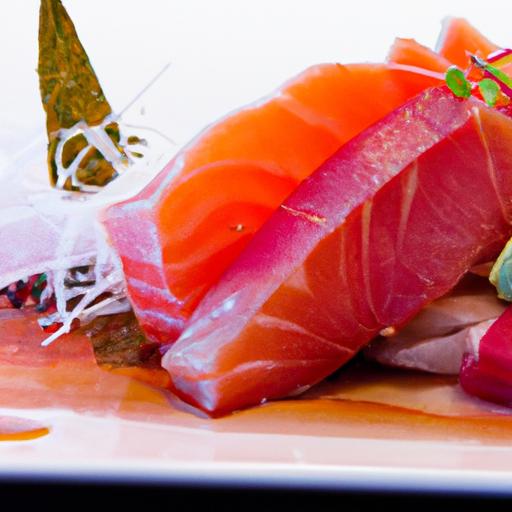

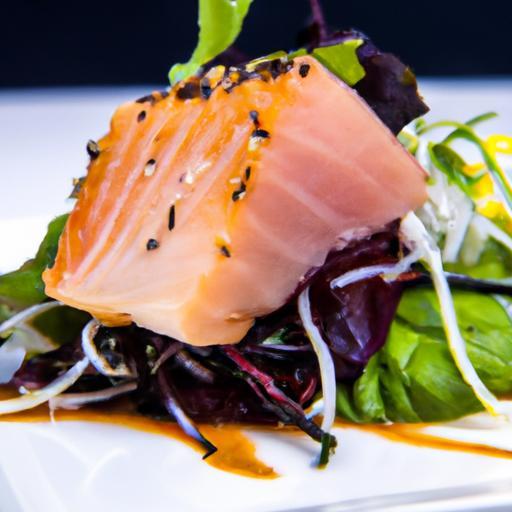
In the delicate world of Japanese cuisine, sashimi stands as a testament to simplicity and precision, where the quality of the fish and the skill of the knife converge to create a sublime experience.Mastering the art of cutting fish for sashimi is more than just a culinary technique-it’s a disciplined craft that honors tradition, enhances flavor, and elevates presentation. This article explores the essential steps every aspiring chef or seafood enthusiast should know to transform fresh fish into impeccable slices,capturing the true essence of sashimi’s elegance and purity. Whether you are a home cook eager to refine your skills or a professional seeking to perfect your technique, understanding these fundamental principles will bring you closer to the heart of this exquisite art form.
Mastering the Art: Essential Steps to Cut Fish for Sashimi
Mastering the art: essential steps to cut fish for sashimi begins with understanding the delicate balance between selecting pristine fish and wielding your knife with precision. Sashimi, a celebrated jewel of Japanese cuisine, transforms simple slices of raw fish into an exquisite sensory experience. Knowing how to properly select, prepare, and present your fish is key to elevating this dish from humble beginnings to culinary artistry.
Prep and Cook Time
- Preparation Time: 30 minutes
- Cook time: 0 minutes (raw preparation)
- total Time: 30 minutes
Yield
- Serves 4,approximately 20 sashimi slices
Difficulty Level
- Advanced - requires precision and practise
Ingredients
- 300g fresh sashimi-grade fish (tuna,salmon,or yellowtail recommended)
- 1 lemon wedge,for rinsing
- Ice-cold water for cleaning
- Fresh wasabi paste (optional)
- Soy sauce for serving
- Shiso leaves or daikon radish for garnish
instructions
- Choosing the Right Fish: Begin by selecting sashimi-grade fish from a trusted fishmonger. The fish should be firm, translucent, and have a clean ocean scent.Popular choices include tuna (maguro), salmon (sake), and yellowtail (hamachi). Always ask for fish pre-frozen to eliminate parasites for safety.
- Cleaning the Fish: Rinse your fish gently under ice-cold water and pat dry with a clean kitchen towel. Use a lemon wedge to lightly wipe the surface to remove any excess oils or residual odors, enhancing flavor clarity.
- Filleting Techniques: Place the fish on a clean, stable cutting board. Use a long, thin, flexible sashimi knife (yanagiba knife preferred) to remove skin by carefully sliding the knife between skin and flesh at a shallow angle. Trim away any silver skin and bloodlines for a smooth texture and muted appearance.
- Mastering Knife Skills: Hold your knife at an angle between 30° and 45° depending on the fish texture. For tender fish like salmon, a slimmer angle (30°) creates smooth, delicate slices; for denser fish like tuna, a slightly wider angle (45°) helps maintain control without crushing. Use a single, fluid pulling stroke – avoid sawing copies - to keep edges clean and shiny.
- Slicing the Fish: Slice each fillet into uniform pieces, approximately 0.5cm thick. Cutting against the grain ensures tenderness while creating a beautiful edge. For variety, use multiple cuts: thick rectangular blocks for nigiri, thin elongated slices for sashimi platters.
- Presenting Your Creation: Arrange the sashimi slices artfully on a chilled plate or wooden platter. Use fresh shiso leaves, thinly shredded daikon radish, or edible flowers as natural accents that elevate the visual appeal.
- Storing for Freshness: If not serving promptly,place sashimi between layers of damp paper towels and keep refrigerated at 32°F (0°C). Consume within 2 hours for optimum flavor and texture.
Tips for Success
- Knife Maintenance: Regularly sharpen your yanagiba knife for razor-sharp precision – a dull knife will bruise the fish and ruin texture.
- Temperature control: Keep fish chilled at all times; warmth accelerates deterioration and softening.
- Practice Your Cuts: Use practice runs on less expensive fish to perfect one fluid slice, avoiding hesitation or multiple motions.
- Choice Tools: If a yanagiba is unavailable, a very sharp, flexible fillet knife will suffice but be mindful of maintaining slicing angles.
- Enhanced Flavor: Lightly brushing soy sauce on sashimi immediatly before serving can deepen umami without overwhelming the pure fish flavor.
Serving Suggestions
For an authentic experience, pair your sashimi with freshly grated wasabi and soy sauce. Garnish with vibrant shiso leaves or a nest of crisp daikon radish for crunch and visual contrast. Serve alongside steamed jasmine rice or a chilled glass of sake to complement the delicate subtleties of the fish. Cleanse the palate intermittently with pickled ginger, allowing each slice’s flavor to shine.

| nutrient | Per Serving |
|---|---|
| Calories | 120 kcal |
| Protein | 22 g |
| Carbohydrates | 0 g |
| Fat | 3 g |
To deepen your sashimi expertise,explore our Japanese Knife Skills Guided Tutorial for mastering cutting techniques further. For comprehensive food safety practices when handling raw fish, consult the guidelines provided by the U.S. FDA Food Safety.
Q&A
Q&A: Mastering the Art – Essential Steps to Cut Fish for Sashimi
Q1: Why is proper fish cutting crucial for sashimi?
A1: Proper cutting enhances both the flavor and texture of sashimi.Precision ensures smooth, clean slices that showcase the fish’s freshness and delicate structure, elevating the dining experience.
Q2: What kind of fish is best suited for sashimi?
A2: The best fish for sashimi are those with firm, fresh flesh and a mild flavor, such as tuna (maguro), salmon (sake), yellowtail (hamachi), and sea bream (tai). Freshness is paramount – always choose sushi-grade fish.
Q3: What tools are essential for cutting sashimi effectively?
A3: A sharp, single-beveled sashimi knife (yanagiba) is essential for clean, precise cuts. A cutting board with a non-slip surface and a damp cloth to wipe the blade frequently help maintain accuracy and hygiene.Q4: how should the fish be prepared before cutting?
A4: First, ensure the fish is properly chilled but not frozen solid. Remove skin, bones, and any connective tissue carefully. Pat the fillet dry to avoid slipping. This preparation creates a stable cutting surface.
Q5: What is the ideal cutting technique?
A5: use a single, smooth slicing motion rather than a sawing action to avoid crushing the flesh.Angle your knife slightly and slice away from yourself in thin, even strokes, maintaining consistent thickness – usually between 5 to 10 mm.
Q6: Does the direction of the cut matter?
A6: Absolutely. Cut against the grain of the fish to make the sashimi tender and easier to chew. Paying attention to the grain also highlights the natural visual appeal of the fish.
Q7: How do you decide on the thickness and size of sashimi slices?
A7: Thickness depends on the type of fish and personal preference.Delicate fish may require thinner slices, while fattier fish like salmon can handle slightly thicker cuts.consistency is key for a balanced plate.
Q8: Can sashimi cutting methods vary?
A8: Yes,there are regional and stylistic variations – some chefs prefer rectangular cuts (hira-zukuri),others opt for thicker block shapes (kaku-zukuri),or angled cuts (usu-zukuri) for ultra-thin slices. Each style affects texture and presentation.Q9: How should sashimi be presented after cutting?
A9: Arrange slices neatly on a chilled plate, often garnished with shiso leaves, daikon radish, or edible flowers. Presentation should reflect simplicity and respect for the fish’s natural beauty.
Q10: What are common mistakes to avoid when cutting sashimi?
A10: Avoid dull knives, inconsistent slice thickness, and sawing motions which damage texture. Also, never use fish that is not fresh or sushi-grade as it impacts safety and taste.
Q11: How can one practice and improve sashimi cutting skills?
A11: Start with easier, firmer fish and invest time in mastering knife control. Watching professional demonstrations,practicing consistent slicing motions,and understanding fish anatomy will gradually build confidence.Q12: is it necessary to learn about fish anatomy for sashimi cutting?
A12: Knowing fish anatomy helps tremendously. Understanding where bones, bloodlines, and skin are located allows for cleaner fillets and better cuts, ensuring both safety and quality.
Mastering sashimi cutting is a blend of technique, respect, and artistry. Each slice tells a story of precision and recognition for one of the finest culinary traditions.
In Summary
As you refine your skills in cutting fish for sashimi, remember that mastery comes with patience, precision, and respect for the ingredient. Each slice is more than a simple cut-it’s an expression of tradition and craftsmanship that elevates the dining experience. By embracing these essential steps, you not only perfect technique but also honor the delicate art form that sashimi represents. So take your time, trust your hands, and let each clean, purposeful movement bring you closer to becoming a true artisan of the raw.