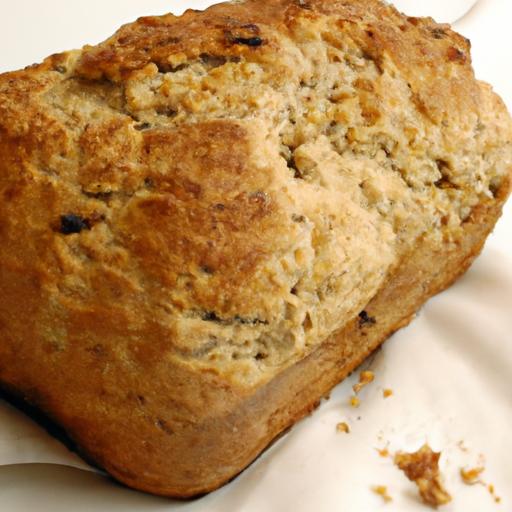

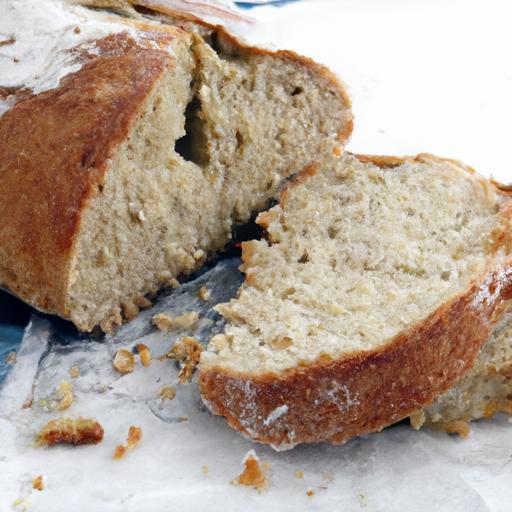
There’s something undeniably comforting about the humble loaf of Irish soda bread. Rooted in tradition and crafted with just a handful of simple ingredients, this rustic bread has been a staple in Irish kitchens for centuries. Its golden crust and tender crumb offer a deliciously straightforward slice of history – one that’s as easy to make as it is satisfying to eat.Whether you’re new to baking or a seasoned pro, this classic Irish soda bread recipe invites you to experience the timeless charm of homemade bread, made simple and wonderfully tasty.
Ingredients That Bring Authentic Flavor and Texture
The classic Irish Soda Bread Recipe thrives on simplicity, delivering an authentically rustic flavor and satisfying texture through just a handful of quality ingredients. Each component serves a crucial role: from the rich creaminess of buttermilk reacting with baking soda to create the bread’s gentle rise, to the earthy nuttiness of whole wheat flour adding depth and crumbly texture.Using freshly sifted flours, a pinch of fine sea salt, and a touch of natural sweetness with brown sugar all contribute to the iconic warmth that makes this loaf both hearty and inviting.
- 2 ½ cups all-purpose flour, sifted
- 1 cup whole wheat flour
- 1 teaspoon baking soda, fresh and active
- 1 teaspoon fine sea salt
- 1 tablespoon light brown sugar, packed
- 1 ¾ cups cold buttermilk
- 2 tablespoons unsalted butter, melted (optional for brushing)
Mastering the Art of Mixing and Kneading for perfect Rise
Mastering the mixing of your Classic Irish Soda Bread Recipe dough is crucial to achieving the right rise and crumb structure without overworking the batter. Begin by gently whisking together the dry ingredients to uniformly distribute the baking soda,ensuring it can react evenly. When you add the cold buttermilk, stir with a wooden spoon just until the dough comes together into a shaggy ball; excessive mixing will toughen the crumb.
Lightly flour your work surface and turn the dough out for kneading. Use just 6-8 gentle folds-press, fold, turn-to develop some gluten without losing the tender bite characteristic of soda bread.keep your hands lightly floured to prevent sticking but avoid adding extra flour, which can dry out the dough and hinder rising. This delicate balance is what gives the loaf its distinctive open crumb paired with a slightly dense, satisfying bite.
Baking Tips to Achieve a Crispy Crust and Tender Crumb
To achieve the perfectly crisp crust paired with a tender interior, preheat your oven thoroughly to 425°F (220°C). This high heat jump-starts the chemical reaction of the baking soda with buttermilk, creating lift and a golden crust. Before baking, score a cross deeply into the dough’s surface-this classic step not onyl allows steam to escape but also helps the loaf bake evenly.
Place the dough on a preheated baking stone or heavy baking sheet to encourage an evenly distributed bottom heat, which helps develop a crunchy base.Bake for 35-40 minutes until the crust is deep golden brown and the loaf sounds hollow when tapped underneath. For extra crackle, brush the crust lightly with melted butter instantly after removal from the oven. Let the loaf cool fully on a wire rack to preserve moisture in the crumb while the crust remains crisp.
Serving Suggestions to Celebrate Rustic Irish Tradition
Celebrate the hearty simplicity of this Classic Irish soda Bread Recipe by serving it slightly warm, sliced thickly with a generous spread of high-quality Kerrygold butter or rich farmhouse cheddar. For an authentic Irish touch, pair with a bowl of creamy Irish stew or a herbaceous smoked salmon salad. Garnish with fresh chopped chives or a sprinkle of flaky sea salt for added nuance. This bread is equally delightful toasted the next day, offering a perfect base for jam, honey, or tangy marmalade.
The rustic appeal also lends itself beautifully to casual gatherings; present the bread in a wicker basket lined with a linen napkin and accompany with an array of cheeses, pickled vegetables, and hearty cured meats for an inviting Irish-inspired spread.
| Nutritional Info (per serving) | Calories | Protein | Carbs | Fat |
|---|---|---|---|---|
| One slice (1/12 loaf) | 160 kcal | 4 g | 30 g | 2 g |

For more classic bread recipes with rustic charm, explore our Rustic homemade Bread Collection. To deepen your understanding of traditional baking chemistry, check out the science behind soda bread at King Arthur baking.
Q&A
Q&A: Classic Irish Soda Bread Recipe – Simple,Rustic & Delicious
Q1: What makes Irish soda bread different from other types of bread?
A1: Unlike yeast-leavened breads,irish soda bread relies on baking soda (sodium bicarbonate) as its leavening agent. This gives it a distinctive dense yet tender crumb and a quick rise, making it a rustic, no-fuss bread that’s ready in under an hour.
Q2: What are the essential ingredients in a classic Irish soda bread recipe?
A2: The traditional recipe calls for just four basic pantry staples: flour, baking soda, salt, and buttermilk. The buttermilk’s acidity reacts with the baking soda to create carbon dioxide bubbles, which help the bread rise.
Q3: Can I substitute regular milk for buttermilk?
A3: While regular milk lacks the acidity needed for proper leavening,you can mimic buttermilk by adding one tablespoon of lemon juice or white vinegar to one cup of milk. let it sit for 5-10 minutes before using.
Q4: What type of flour is best for Irish soda bread?
A4: Traditionally,all-purpose flour is used,but many Irish recipes incorporate whole wheat flour or even a mix of white and whole wheat for added texture and flavor. Just remember, more whole wheat tends to yield a denser loaf.
Q5: How do you shape and bake the bread?
A5: After mixing the dough (it should be soft but not sticky), shape it into a round loaf on a floured surface. A classic touch is to score a cross on top before baking-this folklore aligns with warding off evil spirits and helps the bread cook evenly.
Q6: How long should I bake Irish soda bread, and at what temperature?
A6: Typically, it bakes at 425°F (220°C) for about 30-40 minutes. The bread is done when it has a deep golden crust and sounds hollow when tapped on the bottom.
Q7: Can I add ingredients like raisins or caraway seeds?
A7: Absolutely! While the classic version is plain and simple, adding raisins, currants, caraway seeds, or even herbs can give your loaf a delightful twist, adding sweetness or aromatic complexity.Q8: What is the best way to serve Irish soda bread?
A8: Irish soda bread shines when sliced and spread with butter, ideally fresh and warm. It pairs wonderfully with hearty stews, soups, or simply alongside a cup of tea.
Q9: How should I store leftover Irish soda bread?
A9: As it doesn’t have preservatives,it’s best enjoyed within a day or two. Store it wrapped in a clean tea towel at room temperature to maintain its crust. You can also freeze slices wrapped tightly to enjoy later.
Q10: Why is Irish soda bread considered “rustic”?
A10: Its simplicity, reliance on pantry basics, minimal kneading, and earthy texture all contribute to its rustic charm. This bread captures the essence of traditional Irish home baking-straightforward, wholesome, and satisfying.
Key Takeaways
Whether you’re breaking bread with family or savoring a quiet moment alone, this classic Irish soda bread recipe brings a touch of rustic charm and timeless comfort to your table.Simple to make yet rich in tradition, it’s a delicious reminder that sometimes the most straightforward ingredients create the most memorable flavors. So next time you crave a hearty slice of homemade goodness, let this recipe be your go-to-a humble loaf that celebrates the enduring spirit of Irish baking.