
In the ever-evolving world of desserts, some delights manage to transcend time and trends, captivating taste buds across generations.Japanese Castella cake, or Kasutera, is one such confection-a harmonious blend of simplicity and sophistication that has remained a beloved staple for centuries. With its delicate texture, subtle sweetness, and rich cultural heritage, Castella offers more than just a treat; it presents a story baked into every slice. Journey with us as we explore the timeless charm of this iconic sponge cake, uncovering the origins, craftsmanship, and enduring appeal that continue to make kasutera a cherished indulgence in Japan and beyond.
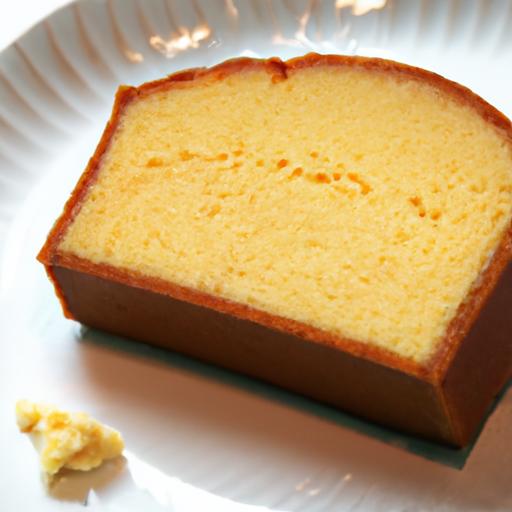
Japanese Castella Cake (Kasutera) is a delightful confection that marries simplicity and tradition into a tender, honey-scented sponge. Rooted deeply in history yet beloved globally today,this cake’s velvet crumb and subtle sweetness make it a timeless treat worthy of any table. Originating from Portuguese traders who arrived in nagasaki during the 16th century,Castella has traveled across cultures,evolving into a symbol of Japanese craftsmanship and culinary grace.
Prep and Cook time
- Planning: 15 minutes
- Cooking: 50 minutes
- Total Time: 1 hour 5 minutes
Yield
One 8 x 4-inch loaf cake, serving approximately 8-10 slices
Difficulty Level
Medium – requires attention to detail in mixing and baking to perfect the signature texture
Ingredients
- 5 large eggs, at room temperature
- 1 cup granulated sugar
- 1/3 cup raw honey, gently warmed
- 3/4 cup bread flour, sifted (preferably soft wheat)
- 2 tbsp whole milk
- 1 tbsp unsalted butter, melted and slightly cooled
Instructions
- Preheat</b your oven to 320°F (160°C). Line a loaf pan (8 x 4 inches) with parchment paper, ensuring the sides extend above the rim to help the cake rise evenly.
- In a large mixing bowl,whisk the eggs vigorously using an electric mixer at medium-high speed until pale and frothy – about 5 minutes. Gradual incorporation of air here is essential for that fluffy texture.
- Gradually add the sugar a tablespoon at a time, continuing to beat until the mixture forms thick ribbon-like strands when the beaters are lifted.
- Lightly stir in the warmed honey, maintaining the airiness of the batter by folding gently with a spatula.
- Sift the bread flour over the egg mixture in two batches. Fold it carefully with a silicone spatula, using gentle motions to preserve the volume and avoid lumps.
- Combine milk and melted butter together, then drizzle into the batter while folding smoothly to ensure even moisture without deflating the air bubbles.
- Pour the batter into the prepared pan and lightly tap it on the counter to release any large air bubbles.
- Bake for 50 minutes or until the top is golden brown and a skewer inserted in the center comes out clean. If the crust browns too quickly, tent with foil halfway through.
- Remove from oven and immediately turn out onto a cooling rack. Peel away the parchment and let cool entirely in a single layer to avoid steaming.
Chef’s notes and Tips for Success
- Using bread flour rather of all-purpose flour lends a slight chew and irregular crumb that distinguishes traditional Castella.
- Room temperature eggs and gradual sugar incorporation maximize leavening.
- Maintain gentle folding to preserve air bubbles-this is what crafts its signature sponginess.
- Honey quality influences aroma; choose a light floral honey for subtle sweetness without overpowering.
- To enhance moisture retention, wrap the cooled cake in plastic wrap and refrigerate up to 2 days-Castella flavors deepen over time.
Serving Suggestions
Slice the Japanese Castella Cake thinly to showcase its delicate crumb. It pairs exquisitely with a dusting of powdered sugar or a smear of simple whipped cream. For an authentic experience, serve alongside a steaming cup of matcha green tea,the slight bitterness perfectly balancing the cake’s honey sweetness. To embrace modern pairings, try it with a cold glass of milk or a floral oolong tea.
Decorate the platter with edible flowers or seasonal fruit slices for a visually captivating presentation that delights the senses.
The Origins and Cultural Journey of japanese Castella Cake
Originating from the Portuguese “Pão de Castela,” meaning “bread from Castile,” this cake first arrived in Japan in the 16th century through Nagasaki’s trading port.Over centuries, japan refined the recipe, transforming a simple sponge into an iconic symbol of culinary exchange and adaptation. Today, the cake retains its European roots yet is distinctly Japanese-a testament to craft and patience. When baking Castella, it is not merely preparing a dessert; one partakes in a rich, layered history of cultural fusion.
| Nutrient | Per Slice (approx.) |
|---|---|
| Calories | 145 kcal |
| Protein | 4 g |
| Carbohydrates | 25 g |
| Fat | 3 g |

For those seeking to dive deeper into the craft of japanese baking, explore our comprehensive guide to Japanese baking techniques and expand your culinary repertoire.
Q&A
Q&A: The Timeless Charm of Japanese Castella Cake (Kasutera)
Q1: What is castella cake, and where did it originate?
A1: Castella cake, known as Kasutera in Japanese, is a light, moist sponge cake with a fine, tender crumb. It traces its roots to 16th-century Japan but carries a engaging history-it was introduced by Portuguese missionaries and traders during the Nanban trade period. Over centuries, the Japanese refined the recipe, transforming it into the iconic sweet treat cherished today.
Q2: What sets Castella apart from other sponge cakes?
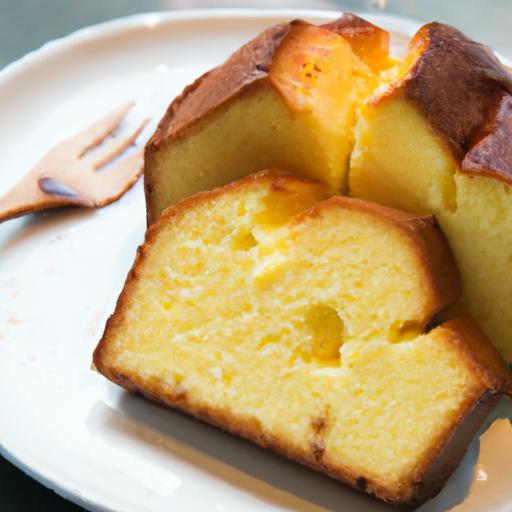
A2: Unlike typical sponge cakes, Castella boasts a uniquely smooth, honey-sweet flavor combined with a delicate, almost custard-like texture. Its characteristic amber-brown top has a subtle caramelized crust, achieved through slow baking. The balance of sweetness without overwhelming richness makes it a versatile delight that can be enjoyed plain or with various accompaniments.
Q3: What ingredients are traditionally used in making castella?
A3: The traditional Castella cake recipe is remarkably simple,using just four main ingredients: high-quality eggs,sugar,bread flour,and mizuame (a type of Japanese starch syrup).This minimalistic approach highlights the importance of technique-such as thorough whisking and precise baking-to achieve the cake’s signature texture and flavor.
Q4: Why does Castella have such enduring popularity in Japan?
A4: Castella’s enduring charm lies in its ability to evoke nostalgia and simplicity amidst the fast pace of modern life. It is often associated with special occasions, gift-giving, and mindful tea ceremonies. Its subtle sweetness pairs beautifully with green tea, offering a comforting, meditative experience that transcends generations.
Q5: How has Castella evolved outside Japan?
A5: Beyond Japanese borders, Castella has inspired variations and adaptations, especially in places with historical Japanese influence like Taiwan and Brazil.While some versions incorporate local ingredients or flavors such as matcha, cheese, or chestnut, many aficionados seek out the classic, authentic Japanese Castella for its purity and refined taste.
Q6: Where can one experience authentic Castella today?
A6: Authentic Castella is best found in specialty bakeries and shops across Japan,especially in Nagasaki-its birthplace and cultural hub. Many of these establishments handcraft their offerings with artisanal care.However, with growing global interest, select international patisseries also import or recreate traditional Castella, allowing people worldwide to savor its timeless appeal.
Q7: What makes Castella cake a symbol of cultural fusion?
A7: Castella embodies a gorgeous cultural exchange between japan and the West, illustrating how foreign influences can be harmoniously integrated and transformed into entirely new culinary traditions. This cake is not merely a dessert; it’s a delicious metaphor for adaptability and refined simplicity passed down through centuries.Q8: Can Castella cake be made at home?
A8: Yes, making Castella at home is absolutely possible, but it requires patience and precision. Achieving the perfect airy texture and characteristic moistness hinges on meticulous egg-whisking, the right flour, and gentle baking conditions. while challenging, the process is rewarding for home bakers seeking to connect with this historical cake through hands-on craftsmanship.
This Q&A explores the rich heritage and subtle elegance of Japanese Castella cake-a sweet that continues to capture hearts with its timeless charm.
The conclusion
From its humble beginnings as a treasured gift brought to Japan by Portuguese traders centuries ago, to its enduring presence in modern bakeries, Castella cake continues to captivate with its delicate sweetness and pillowy texture. This simple yet elegant treat embodies a blend of cultures and history, inviting each bite to be a gentle reminder of tradition and craftsmanship. Whether enjoyed alongside a cup of green tea or shared among friends, the timeless charm of Japanese Castella remains a delicious link between past and present-proof that some culinary delights truly never go out of style.