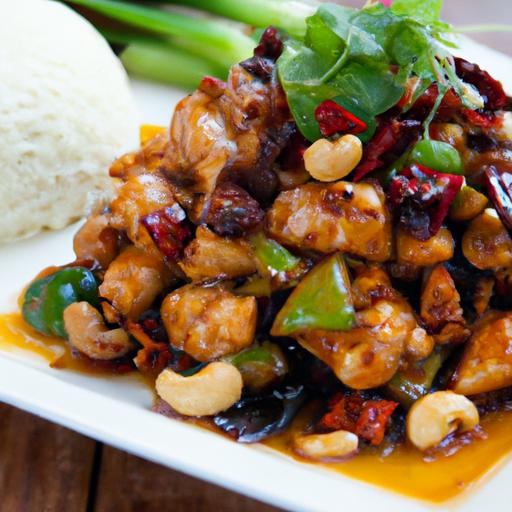

In teh vibrant tapestry of Chinese cuisine, few dishes capture the imagination and palate quiet like Kung Pao Chicken. This beloved classic, with its harmonious blend of spicy, sweet, and savory notes, unfolds as a fiery dance of flavor and tradition. Originating from the Sichuan province, Kung Pao Chicken is more than just a meal-it is a story steeped in history, culture, and culinary artistry. As we explore the origins, ingredients, and enduring appeal of this iconic dish, we uncover the layers that make Kung Pao Chicken a timeless favorite across the world.
Kung Pao Chicken is a beloved classic of sichuan cuisine, renowned for its vibrant fusion of bold, spicy heat and subtle sweetness. This dish has captivated palates worldwide with its unique balance of textures and flavors-a fiery but harmonious dance on the tongue. Rooted deeply in the culinary traditions of China’s Sichuan province,kung Pao Chicken brings together diced chicken,crunchy peanuts,and fragrant Sichuan peppercorns,each component lending its distinct character to the final,irresistible dish.
Prep and Cook Time
- preparation: 20 minutes
- Cooking: 15 minutes
- Total: 35 minutes
Yield
- Serves 4
Difficulty Level
- Medium
Key Ingredients and Techniques That Create Its Signature Taste
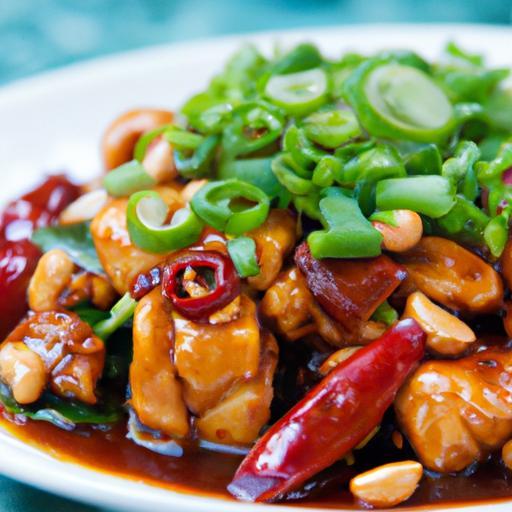
The essence of Kung Pao Chicken lies in a few key ingredients and precise cooking methods.The quintessential elements include tender boneless chicken thigh pieces, offering juiciness and flavor; freshly roasted peanuts for that coveted crunch; and the hallmark Sichuan peppercorns, which add a numbing and aromatic quality unique to this region. Dry red chilies infused into hot oil create the characteristic spicy kick, but controlling their intensity is essential to avoid overpowering balance.
Marinating the chicken in a mix of soy sauce, Shaoxing wine, and cornstarch ensures a velvety texture, while the stir-fry technique quickly cooks the ingredients at high heat to seal in flavors and maintain crispness. A carefully crafted sauce of soy sauce,dark vinegar,sugar,and a hint of sesame oil ties all elements together,creating that unmistakable dance of heat and sweetness we crave.
Balancing Heat and Sweetness for the Perfect Flavor Harmony
Achieving the perfect balance between the fiery and the sweet is the heart of making authentic Kung Pao Chicken. The sweetness-often from sugar or rock sugar-counteracts the bold, lingering heat that comes from the dried chilies and Sichuan peppercorns. The addition of dark black vinegar introduces a subtle, tangy note that enlivens the dish and deepens the flavor profile.
When preparing Kung Pao Chicken at home, it’s important to taste your sauce before the final cooking step and adjust the sugar or vinegar to your preference. The warming aroma of toasted peanuts adds a nutty sweetness, offering contrast and complexity.This delicate balance ensures each bite is exciting but well-rounded, a hallmark of conventional Sichuan fare.
Tips for Cooking Authentic Kung Pao Chicken at Home
Mastering this iconic dish can be approachable with a few insider tips. Use chicken thigh rather than breast for better moisture retention. Toast peanuts separately to preserve their crunch and keep them aside until the last moment. Maintaining high heat in a wok or heavy skillet is crucial for achieving the characteristic stir-fry sear without stewing the ingredients.
For the signature numbing sensation of Sichuan peppercorns,crush them slightly just before cooking to release their oil but avoid burning to prevent bitterness. Adjust the heat level of dried chilies by removing seeds if you prefer a milder version. Lastly, prepare your sauce components beforehand as the final stir-fry stage is fast and requires everything on hand.
Ingredients
- 500g boneless chicken thighs, cut into 1-inch cubes
- 3 tbsp light soy sauce
- 1 tbsp Shaoxing wine (Chinese cooking wine)
- 1 tsp cornstarch
- 2 tbsp vegetable oil (divided)
- 10-12 dried red chilies, halved and seeds removed for less heat
- 2 tsp Sichuan peppercorns, lightly crushed
- 3 garlic cloves, minced
- 1 tbsp fresh ginger, minced
- 1/2 cup roasted peanuts, unsalted
- 3 green onions, white and green parts separated and sliced
- 2 tbsp dark soy sauce
- 1 tbsp black vinegar (Chinkiang vinegar)
- 1 tbsp sugar
- 1/4 cup water or chicken broth
- 1 tsp toasted sesame oil
Instructions
- Marinate the chicken: In a bowl, combine chicken cubes with light soy sauce, Shaoxing wine, and cornstarch. Mix thoroughly and set aside for 15 minutes.
- Prepare the sauce: In a small bowl, mix dark soy sauce, black vinegar, sugar, and water (or broth).Stir until sugar dissolves and set aside.
- Toast and set aside peanuts: Dry-toast peanuts in a hot, dry pan until golden and aromatic, about 2-3 minutes. Remove and set aside.
- Heat wok and oil: Heat 1 tbsp vegetable oil over high heat. Add dried red chilies and Sichuan peppercorns carefully, stir-fry until fragrant (about 30 seconds), ensuring chilies don’t burn.
- Add aromatics: Toss in garlic, ginger, and the white parts of green onions. stir-fry for 20 seconds until fragrant.
- Cook chicken: Add marinated chicken and stir-fry quickly over high heat until pieces turn golden and cooked through, about 5-7 minutes. Stir occasionally to prevent sticking.
- Incorporate sauce: Pour prepared sauce into the wok. Toss everything to coat evenly, allowing it to bubble and thicken slightly, about 2 minutes.
- Add peanuts and sesame oil: Stir in toasted peanuts and finish with a drizzle of sesame oil. Toss gently to combine.
- Garnish: Remove from heat and top with green parts of spring onions for freshness.
- Serve: Serve hot over steamed jasmine rice or alongside your favorite stir-fried vegetables.
Chef’s Notes
- Substitute chicken thighs with firm tofu for a vegetarian twist-press and dry tofu well before stir-frying.
- Use fresh roasted Sichuan peppercorns for maximum fragrance; store in airtight containers away from moisture.
- If you prefer less heat, reduce dried chili quantity or remove seeds completely.
- Prepare sauce and all ingredients beforehand; stir-frying moves quickly at high heat.
- Make-ahead tip: Cooked Kung Pao Chicken reheats beautifully; add fresh peanuts and green onions after reheating for extra crunch and color.
Serving Suggestions
The magic of this classic dish shines when paired with simple steamed jasmine rice to soak up the richly spiced sauce.Consider serving with sautéed greens such as bok choy or Chinese broccoli to add freshness and balance. A light cucumber salad on the side can provide a cool, crisp contrast to the dish’s warmth. To garnish, scatter extra peanuts and finely sliced green onions atop the dish, and place a few whole dried chilies around the plate for visual drama.

| Nutrient | Per Serving |
|---|---|
| Calories | 380 kcal |
| Protein | 32 g |
| Carbohydrates | 12 g |
| Fat | 22 g |
For more delicious Chinese recipes that celebrate tradition and bold flavors, check out our Mapo Tofu recipe. For an in-depth history and cultural background of Sichuan cuisine, visit Britannica’s Sichuan cuisine overview.
Q&A
Q&A: Kung Pao Chicken – A Fiery Dance of Flavor and tradition
Q1: What is Kung Pao Chicken?
A1: Kung Pao Chicken is a classic Chinese dish renowned for its harmonious blend of spicy, sweet, and savory flavors. It features diced chicken stir-fried with peanuts, chili peppers, and a savory sauce that creates a vibrant tapestry of taste and texture. Originating from Sichuan province, it’s a culinary emblem of boldness and balance.Q2: Where does the name “Kung Pao” come from?
A2: The name “Kung Pao” honors Ding Baozhen, a Qing Dynasty official whose title was “Gongbao” (which sounds like “Kung Pao” in English). He was known for his love of this spicy chicken dish, which eventually bore his name and spread far beyond its regional roots.
Q3: what makes Kung Pao Chicken distinct from other stir-fried dishes?
A3: Its distinctiveness stems from the marriage of fiery dried chili peppers, crunchy roasted peanuts, and the unique numbing sensation of Sichuan peppercorns. this interplay creates a multifaceted experience-spicy heat, nutty crunch, and a tongue-tingling zing not found in typical stir-fries.Q4: How is authenticity maintained in Kung Pao Chicken?
A4: Authentic kung Pao relies on fresh, high-quality ingredients and proper technique: tender chicken marinated briefly, quick high-heat stir-frying to preserve texture, and a carefully balanced sauce mixing soy, vinegar, sugar, and chili paste.The Sichuan peppercorn’s presence is essential, giving the dish its characteristic mouthfeel.
Q5: Has Kung Pao Chicken evolved over time and across cultures?
A5: absolutely. While the traditional recipe showcases Sichuan’s bold flavors, adaptations have appeared worldwide-some sweeter, some milder, and others with creative additions like peanuts swapped for cashews or chicken replaced by tofu.This evolution reflects the dish’s versatility and global appeal.
Q6: Why does Kung Pao Chicken resonate with so many people?
A6: At its core, Kung Pao Chicken is a party of contrasts and harmony. The fiery heat balanced by sweetness,the tender chicken offset by crunchy peanuts,and the ceremonial dance of flavors make it not just a meal,but an immersive,sensory experience. It invites diners into a world where tradition and taste ignite in every bite.
Q7: How can one best enjoy Kung Pao Chicken at home?
A7: To capture its magic at home,start with fresh ingredients and don’t shy away from the spice. Use Sichuan peppercorns if possible, embrace the high heat, and balance the sauce well. Serve it hot, ideally over steamed rice, allowing the fiery sauce to mingle and complete the dish’s timeless dance.
Insights and Conclusions
As the last bite of Kung Pao Chicken lingers on the palate, it leaves behind more than just a blend of spicy, sweet, and savory notes-it carries with it a story steeped in history and cultural richness. This fiery dance of flavor and tradition invites us to appreciate not only the vibrant ingredients but also the heritage woven into every stir and sizzle. Whether enjoyed in a bustling street market or a quiet home kitchen, Kung Pao Chicken remains a timeless culinary expression, reminding us that food is never just about sustenance, but a celebration of identity and passion.