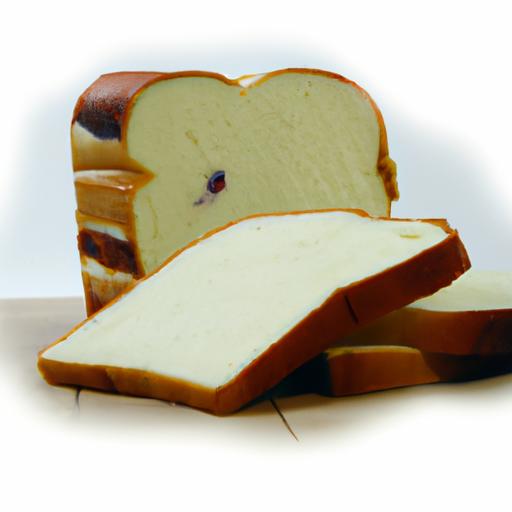

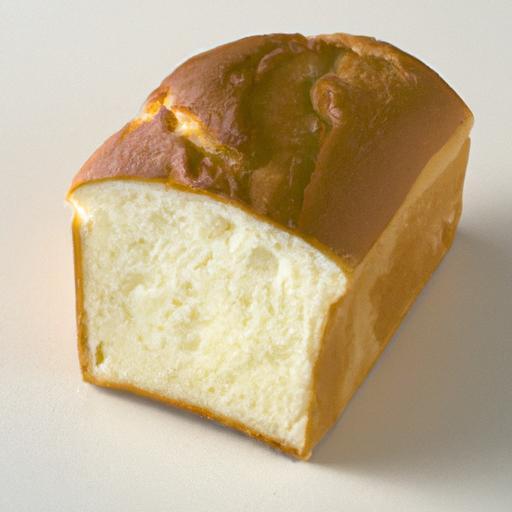
There is something quietly mesmerizing about laminated milk bread-a loaf that marries the tender milk-soaked crumb with the delicate, flaky layers born from meticulous folding and rolling. Often overshadowed by its buttery French and Danish relatives, this subtly sweet bread holds a unique place in the world of baking, offering a texture that is both pillowy and intricately layered. In exploring the art of laminated milk bread, we uncover not just a recipe, but a craft that celebrates patience, technique, and the transformative magic of simple ingredients woven into a symphony of fluffy layers.
The Art of Laminated Milk Bread: Fluffy Layers Unveiled
The Art of Laminated Milk Bread: fluffy Layers Unveiled is more than just a recipe – it’s a appetizing journey into mastering the delicate balance of science and technique. Originating from the confluence of Japanese milk bread’s pillowy softness and the classic French laminated dough technique, this bread captivates with its airy layers enveloped in a tender crumb. My frist experience shaping this dough was pure magic; as the dough folded and rolled, each layer seemed like a personal secret waiting to be revealed with the next bake.
Prep and Cook Time
- preparation: 35 minutes (including resting)
- proofing: 1 hour 30 minutes
- Baking: 25 minutes
- Total Time: Approximately 2 hours 30 minutes
Yield
1 loaf, serving 8 slices
Difficulty Level
Medium – Ideal for bakers comfortable with dough handling and layering techniques
Ingredients
- 280g bread flour, sifted for even hydration
- 40g cake flour, for tenderness
- 50g granulated sugar, for subtle sweetness
- 6g instant yeast
- 5g fine sea salt
- 180ml whole milk, lukewarm (around 38°C / 100°F)
- 1 large egg, beaten
- 40g unsalted butter, softened
- 100g cold unsalted butter, for lamination (block-shaped)
- Milk or egg wash, for brushing before baking
Instructions
- Combine the dry ingredients: In a large bowl, whisk together bread flour, cake flour, sugar, yeast, and salt – keep salt and yeast apart initially to avoid deactivating the yeast.
- Incorporate wet ingredients: Warm the whole milk gently, then add the beaten egg. Slowly mix liquids into the flour mixture until a rough dough forms.
- Knead the dough: Turn onto a clean surface and knead for 8-10 minutes until smooth and elastic. You can also use a stand mixer with a dough hook for 6-7 minutes on medium speed.
- Add softened butter: Knead in the 40g softened butter until fully incorporated and the dough is silky and slightly sticky.
- First proof: Shape into a ball, place in a greased bowl, cover with a damp cloth, and let proof in a warm spot for 1 hour or until doubled in size.
- Prepare butter block for lamination: While dough proofs, shape the 100g cold butter between parchment paper into a 6×6 inch square. Chill if too soft.
- Roll out the dough: Gently deflate the dough and roll it into a 12×12 inch square, keeping it even and smooth.
- Encase the butter: Place the chilled butter block in the center of the dough square. Fold the dough edges over the butter like a letter, sealing completely.
- First fold and roll: Roll the dough with the butter inside into a 24×8 inch rectangle. Fold into thirds-this is the first “turn.”
- Rest and chill: Wrap the dough in plastic wrap and chill for 30 minutes to relax the gluten and keep butter firm.
- second fold: Repeat the rolling and folding (24×8 inch roll, folded into thirds). Chill again for 30 minutes.
- final shaping: Roll the dough to a 24×12 inch rectangle and cut into 3 equal strips.Roll each strip tightly to form individual logs and place in a loaf pan upright.
- Final proof: Cover pan loosely and proof for 45 minutes or until almost doubled.
- Prepare for baking: Preheat oven to 180°C (350°F). Brush the loaf with milk or egg wash for a glossy, soft crust.
- Bake: Bake for 22-25 minutes or until gorgeously golden brown and the internal temperature reaches 88°C (190°F).
- Cool properly: Remove from oven, cool in pan for 10 minutes, then transfer to wire rack to cool completely before slicing to preserve fluffiness.
Tips for Success: achieving Soft Crust and Fluffy Interior
- Temperature control: Keep your butter cold during lamination to ensure distinct layers; if it gets too soft, your bread will lose that signature flaky texture.
- Don’t rush proofing: Proper rising times give the dough gas bubbles that expand gently, creating a light, fluffy crumb.
- Utilize cake flour: Its lower protein content softens the overall texture, complementing bread flour’s strength for elasticity and structure.
- Be gentle while rolling: Use even pressure to avoid tearing your dough layers and keep the butter trapped inside.
- Brush with milk, not water: Milk adds tenderness and helps develop a soft, shiny crust rather than a hard, crunchy one.
- Try resting overnight: Store baked bread wrapped loosely at room temperature overnight; it improves crumb softness and flavor.
serving Suggestions
This laminated milk bread shines on its own,fresh from the oven with a buttery sheen and delicate layers visible at every slice. Serve thick slices toasted with honey butter or rich nut butters for breakfast. It also pairs beautifully with savory spreads like aged cheddar or miso butter. For an elegant touch, garnish with a sprinkle of finely chopped fresh herbs or edible flowers to awaken both the eyes and palate.
For a classic experience, slice and fill it with tender chicken salad or even lightly grilled vegetables, making an irresistible sandwich where every bite bursts with soft, airy layers and subtle sweetness.
| Nutritional Information (per slice) | Amount |
|---|---|
| Calories | 180 kcal |
| Protein | 5 g |
| Carbohydrates | 30 g |
| Fat | 4.5 g |
Try our customary Japanese milk bread for a step deeper into soft, enriched loaves. For scientific insights on dough lamination, the ScienceDirect laminating dough study is an excellent external resource.

Q&A
Q&A: The Art of Laminated Milk Bread – Fluffy Layers Unveiled
Q1: What exactly is laminated milk bread?
A: Laminated milk bread is a unique type of bread that combines the rich creaminess of traditional milk bread with the delicate, flaky layers usually found in puff pastry. Through a process of folding and rolling dough layered with butter, this bread develops airy, fluffy textures with subtly separated layers that melt in your mouth.
Q2: How does laminated milk bread differ from regular milk bread?
A: While regular milk bread is known for its soft, pillowy crumb and slightly sweet flavor, laminated milk bread takes it a step further by introducing layers. The lamination technique – repeatedly folding butter into the dough – creates a light, flaky texture, somewhat akin to croissants, but with the tender, milky softness characteristic of milk bread.
Q3: What are the key ingredients in laminated milk bread?
A: The foundation includes bread flour, milk, sugar, yeast, and butter. What sets it apart is the generous layering of cold butter within the dough sheets, which when baked, steams and separates the dough into thin, fluffy layers. The dairy content in both the dough and butter helps maintain the bread’s signature tenderness and richness.
Q4: Is the lamination process tough for home bakers?
A: Lamination requires patience and a bit of finesse, but it’s absolutely achievable at home with some practice. The trick lies in keeping the dough and butter at the right temperature and handling them gently to prevent butter from melting or leaking. With steady folding and chilling intervals, even beginner bakers can craft beautifully layered milk bread.
Q5: What makes laminated milk bread so fluffy and layered?
A: The magic happens in the butter layers. During baking, the water in the butter turns to steam, creating pockets that separate and puff up the dough layers. Coupled with milk’s tenderizing effect on gluten, this results in an airy, softly textured bread with delicate, visible layers.
Q6: How is laminated milk bread best enjoyed?
A: Its versatility is a delight! Enjoy it fresh and warm with just a smear of butter or jam, or use it to elevate sandwiches with an added layer of fluff and luxury. Its slightly sweet, buttery notes also pair wonderfully with both savory and sweet accompaniments.
Q7: Any tips for maintaining the perfect texture when baking laminated milk bread?
A: Keep everything cool – warm butter can melt into the dough prematurely, ruining the layers.Use chilled ingredients and refrigerate the dough between folds. Also, avoid over-proofing; give the dough enough time to rest and rise gently to preserve its structure. bake in a well-preheated oven to achieve that golden crust and fluffy crumb.
Q8: Can laminated milk bread be customized with flavors or fillings?
A: Absolutely! While the classic version shines on its own, you can infuse the dough with matcha, cocoa, or spices. Adding subtle fillings like sweet red bean paste, cinnamon sugar, or even savory herbs between layers can turn this bread into a tailored culinary masterpiece.
Q9: Why has laminated milk bread gained popularity recently?
A: As people explore new textures in baking, laminated milk bread perfectly marries the comfort of soft milk bread with the airy, refined mouthfeel of laminated pastries. Its visual appeal and delightful flavor profile make it a favorite both for bakers looking to experiment and food lovers seeking fresh experiences.
Q10: Where can one find laminated milk bread or recipes to try?
A: This bread is increasingly featured in artisanal bakeries around the world, especially those inspired by Japanese and Korean baking traditions. For home bakers, many online baking communities and recipe blogs offer step-by-step guides to mastering this artful bread. Starting with basic laminated milk bread recipes before trying flavored variations is a great way to learn.
Unlock the magic of laminated milk bread, and discover how simple ingredients and patient folding transform humble dough into a fluffy symphony of layered delight.
Concluding Remarks
As the final layers of laminated milk bread reveal their tender, pillowy embrace, one comes to appreciate not just a recipe, but a delicate dance between technique and patience. This bread,with its subtle sweetness and airy folds,invites both bakers and eaters alike to savor the quiet artistry behind each slice. Whether enjoyed warm from the oven or toasted to golden perfection, laminated milk bread stands as a gentle reminder that sometimes, the most extraordinary textures arise from the simplest ingredients, thoughtfully transformed. In embracing this craft,we uncover not just fluffy layers,but a timeless narrative of culinary finesse waiting to be shared.