
Beneath the serene surface of ocean waves lies a treasure that has long captivated sushi enthusiasts around the world: mackerel. Known for its rich, savory flavor and distinctive texture, mackerel sushi offers a refreshing departure from more conventional choices.This delicacy, rooted deeply in culinary traditions, embodies the delicate balance between freshness and umami that defines extraordinary sushi. In exploring mackerel sushi, we uncover not just a dish but a timeless taste of ocean freshness that continues to inspire chefs and diners alike.
Origins and cultural Significance of Mackerel Sushi
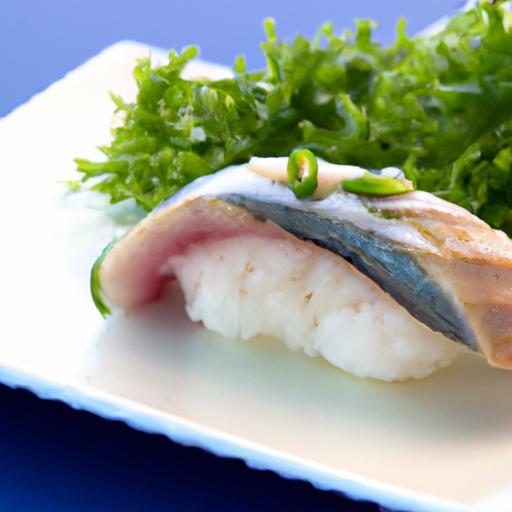
Mackerel sushi is a cherished culinary treasure, deeply rooted in JapanS coastal history where the bounty of the sea shaped local diets and traditions. Known as saba-zushi in Japanese, this sushi variety originally emerged from regions where mackerel was abundant but also prone to fast spoilage in warmer climates. To preserve its freshness, local communities developed curing methods such as salting and marinating in vinegar, resulting in a distinctive flavor that celebrates both the ocean’s freshness and centuries-old preservation techniques.
The cultural significance of mackerel sushi goes beyond taste-it embodies an artisanal respect for natural ingredients and seasonal cycles. in Kansai, particularly in Kyoto, saba-zushi is frequently enough enjoyed during special occasions and festivals, symbolizing resilience and the harmonious balance between fermentation and freshness. This historic dish connects contemporary sushi lovers to the authentic flavors of Japan’s coastal past, where every bite tells a story of seafood, craftsmanship, and cultural pride.
Understanding the Unique flavor Profile of Mackerel
Mackerel sushi stands apart in the sushi world due to its bold,briny character and lively texture.Unlike delicate white fish or fatty tuna, mackerel offers a robust umami punch accompanied by a slightly oily richness that captures the essence of the sea. The vinegar cure used in readiness shrinks the flesh slightly, intensifying its savory depth while cutting through the natural oils with a gentle tang.
This combination of sharp acidity and rich marine flavor creates a refreshing contrast often complemented by pungent ginger and spicy wasabi. the flesh carries a firm but tender bite, which makes it ideal not only for sushi but also sashimi and pressed sushi (oshizushi). Pairing the fish with light soy sauces highlights its complexity without overwhelming the palate, making mackerel sushi a standout choice for adventurous and seasoned sushi enthusiasts alike.
Selecting the Freshest mackerel for Sushi preparation
Choosing the freshest mackerel is paramount to a successful sushi experience.Ideally, look for Pacific or Japanese mackerel (Scomber japonicus), prized for its balanced fat content and clean flavor.Fresh mackerel shoudl exhibit radiant, clear eyes and gleaming silvery skin without signs of dullness or discoloration.
- the flesh should feel firm and resilient, springing back gently when pressed.
- A fresh sea aroma is preferred, with no hints of ammonia or sourness.
- Whenever possible, buy from a trusted fishmonger who offers sashimi-grade mackerel intended for raw consumption.
When preparing mackerel sushi at home, start by rinsing the fillets in cold water and patting dry. Customary sushi preparation includes a brief period of curing in salt and washing away excess moisture with rice vinegar to enhance preservation and flavor. This step also helps reduce the natural fishiness, creating the signature balance of freshness and umami that defines mackerel sushi.
Expert Tips for Serving and Pairing Mackerel Sushi
Serving mackerel sushi offers a sensory journey emphasizing the synergy between delicate flavors and visual appeal. present the sushi with thinly sliced pickled ginger (gari), freshly grated wasabi, and a small dish of light soy sauce to enhance but not overpower the fish’s natural taste.
- Garnish with finely chopped shiso leaves or a brush of yuzu kosho paste for a vibrant citrus-herbal note.
- Accompany with a crisp, cold sake or a dry white wine to cleanse the palate and balance the oily texture.
- Try pairing mackerel sushi with simple sides like steamed edamame or a cucumber and seaweed salad to maintain a fresh, clean finish.
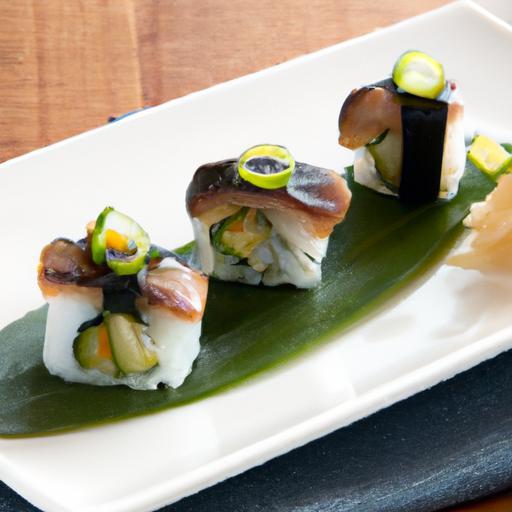
For a visual flourish, arrange the sushi pieces on a minimalist, dark slate or wooden platter to contrast the mackerel’s glossy silver skin and accentuate the beautiful rice grains beneath. This approach not only honors tradition but also invites guests into an immersive tasting experience that highlights the timeless freshness only mackerel sushi provides.
Prep and Cook Time
- Preparation: 30 minutes (including curing)
- Cooking: 0 minutes (raw with curing)
- Total Time: 30 minutes
Yield
Serves 4 (approximately 16 pieces of mackerel sushi)
Difficulty Level
Medium – Requires attention to fish preparation and curing method
Ingredients
- 400g sashimi-grade mackerel fillets,skin on
- 2 tbsp coarse sea salt
- 3 tbsp rice vinegar
- 2 cups sushi rice,cooked and seasoned with sushi vinegar
- 1 tsp sugar
- Fresh wasabi or wasabi paste,to taste
- Pickled ginger (gari),for serving
- Soy sauce,light and low sodium,for dipping
- Shiso leaves or microgreens,for garnish (optional)
- Yuzu kosho paste (optional)
Instructions
- Prepare the Mackerel: Rinse the mackerel fillets under cold water and pat dry with paper towels. Sprinkle the coarse sea salt evenly over both sides. Set aside on a plate, cover, and refrigerate for 20 minutes to cure.
- Rinse and Vinegar Soak: After curing,rinse the salt off under cold running water carefully. Pat dry thoroughly. Place the fillets in a shallow dish and pour rice vinegar over, enough to lightly soak the fish.Soak for 5-10 minutes to balance flavors and reduce fishiness.
- Slice the Mackerel: Using a sharp knife, slice the fillets into thin strips-about ¾ inch wide. Keep the skin intact for texture and visual appeal.
- shape the Sushi Rice: Wet your hands with water to prevent sticking. Take a small handful (~20g) of sushi rice and gently shape into an oval mound, firm but not compressed.
- Assemble: Place a slice of cured mackerel over each rice mound, pressing lightly to adhere. Optionally, add a tiny dab of wasabi between rice and fish for additional warmth.
- Serve: Arrange the mackerel sushi on a serving platter. Garnish with shiso leaves or microgreens if desired. Serve immediately with pickled ginger, wasabi, and light soy sauce on the side.
Chef’s Notes
- For a milder taste, extend the vinegar soak to 15 minutes and use less salt during curing.
- Substitute coarse sea salt with kosher salt if unavailable-just maintain the curing time.
- Ready mackerel sushi keeps best fresh; consume within 4 hours of assembly for optimal texture and safety.
- For pressed mackerel sushi (oshizushi), place the assembled sushi in a wooden mold and press firmly before slicing into bite-sized pieces.
- Experiment with garnishes like lemon zest or finely sliced scallions to add brightness and variation.
Serving Suggestions
Present mackerel sushi on a rustic wooden board or elegant black slate to emphasize the silvery fish skin and white rice contrast. Accompany with:
- A small bowl of chilled sake or a dry Riesling to balance the richness.
- Light side salads of cucumber, wakame seaweed, or daikon radish to refresh the palate.
- A drizzle of yuzu kosho or a sprinkle of toasted sesame seeds for subtle heat and nuttiness.
The interplay of textures-firm rice, tender fish, and crisp garnishes-creates a memorable tasting experience that honors traditional technique while inviting modern creativity.
Nutritional Information
| Per Serving (4 pieces) | Calories | protein | Carbs | Fat |
|---|---|---|---|---|
| Mackerel Sushi | 150 kcal | 12 g | 18 g | 5 g |

For further exploration of sushi rice preparation, check our detailed Perfect Sushi Rice Guide. To deepen your knowledge of the history of sushi and its global influence, visit the authoritative Japan Guide on Sushi.
Q&A
Q&A: Mackerel Sushi – A Timeless Taste of Ocean Freshness
Q1: What makes mackerel sushi unique compared to other types of sushi?
A1: Mackerel sushi stands out for its bold, rich flavor and slightly oily texture, offering a contrast to the milder fish commonly found in sushi. its distinct savory depth and oceanic freshness create a dynamic taste experience that enthusiasts frequently enough describe as both hearty and refreshing.
Q2: How is mackerel prepared for sushi to ensure its freshness and safety?
A2: Traditionally, mackerel used in sushi undergoes a process called “shime saba,” where the fish is cured with salt and vinegar. This method not only enhances the flavor by adding a subtle tang but also helps preserve the fish, ensuring it’s safe to eat and retains its freshness long after being caught.
Q3: Why has mackerel sushi remained a beloved classic in Japanese cuisine?
A3: Mackerel sushi has endured the test of time due to its balance of simplicity and depth. It reflects a connection to the sea that is both humble and profound,honoring the natural qualities of the fish with minimal embellishment. This timeless appeal resonates with sushi lovers seeking authentic ocean flavors.
Q4: Can you describe the typical presentation of mackerel sushi?
A4: Mackerel sushi is often served as nigiri, with a slice of marinated mackerel gently placed atop a small bed of seasoned sushi rice. Sometimes garnished with a hint of grated ginger or a sprinkle of green onions, it’s presented in a way that lets the fish’s vibrant color and texture captivate the eye and palate.
Q5: What should newcomers expect when trying mackerel sushi for the first time?
A5: First-timers might notice mackerel sushi’s assertive flavor profile-rich, slightly salty, and tangy thanks to the curing process. It’s a departure from the delicate taste of tuna or salmon but offers a rewarding depth that’s both invigorating and memorable, perfect for expanding one’s sushi palate.
Q6: How dose mackerel sushi reflect the broader philosophy of sushi-making?
A6: Mackerel sushi exemplifies the sushi ethos of harmony between ingredients, respect for freshness, and skillful simplicity. Its preparation celebrates natural flavors enhanced by subtle techniques, embodying the Japanese culinary principle that true elegance lies in balance and restraint.
Q7: Are there regional variations of mackerel sushi in Japan?
A7: Yes, regional variations exist-some areas favor different curing times or use local vinegars and seasonings that impart unique nuances.Coastal regions known for bountiful mackerel catches might present slightly saltier or more vinegary versions, reflecting local tastes and preserving traditions.
Q8: What are the best beverage pairings with mackerel sushi?
A8: Mackerel sushi pairs wonderfully with crisp, clean beverages that complement its rich flavor-think cold sake with a light, dry profile, green tea to cleanse the palate, or even a light-bodied white wine like a Sauvignon Blanc to balance the fish’s oiliness and acidity.
This Q&A invites readers to appreciate mackerel sushi not just as a dish, but as a timeless festivity of ocean freshness and culinary heritage.
to sum up
As the delicate flavors of mackerel sushi linger on the palate, they remind us of the ocean’s enduring gift-a perfect balance of briny freshness and subtle richness. This timeless dish, rooted in tradition yet ever inviting exploration, continues to capture the hearts of sushi enthusiasts around the world. Whether enjoyed in a quiet seaside eatery or crafted at home with care,mackerel sushi offers a moment to savor the sea’s bounty in every bite-a simple,elegant reminder of nature’s artistry on a plate.