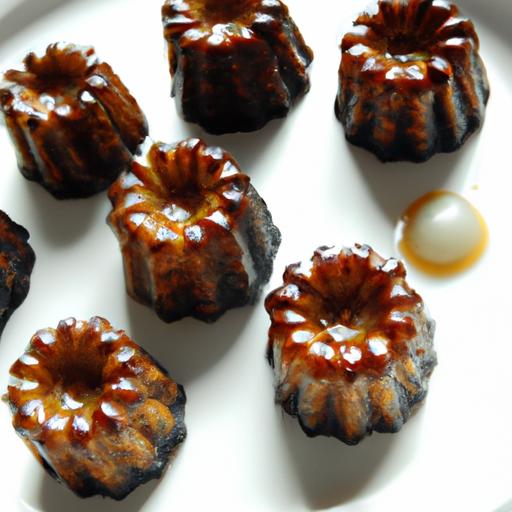

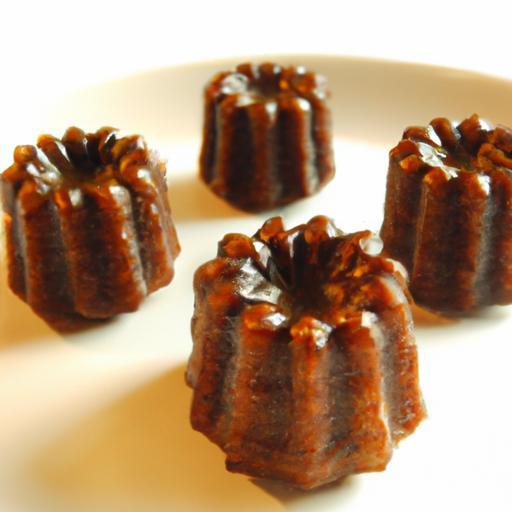
In the world of French patisserie,few treats embody the art of contrast quite like the canelé de Bordeaux. With its deeply caramelized, crackling crust encasing a tender, custardy interior, this small pastry is a masterful balance of texture and flavor. Originating from the Bordeaux region, the canelé carries centuries of tradition wrapped in its perfectly ridged shell-a timeless delight that continues too captivate bakers and dessert lovers alike. This article will guide you through the secrets of mastering canelés, revealing the techniques and nuances that transform simple ingredients into a classic French masterpiece.
Mastering Canelés de Bordeaux offers a delicious journey into one of France’s most beloved pastries, famed for its caramelized crust and custardy interior. Hailing from the Bordeaux region, these petite cakes are a testament to the art of balancing texture and flavor, blending simple ingredients that create a remarkable experience with every bite.
Prep and Cook Time
- Readiness: 20 minutes
- Resting: 24 hours (essential for developing flavor and texture)
- Baking: 50 minutes
- Total time: Approximately 25 hours, including resting
Yield
Makes 12 customary-sized canelés
Difficulty Level
Medium: Requires precise technique and patience, but rewarding for home bakers.
Ingredients
- 2 cups (480 ml) whole milk
- 5 tbsp unsalted butter,plus extra for greasing molds
- 1 cup (200 g) granulated sugar
- 1 cup (120 g) all-purpose flour,sifted
- 2 large eggs plus 2 large egg yolks
- 2 tbsp dark rum (optional,but traditional)
- 1 vanilla bean or 2 tsp pure vanilla extract
- Pinch of salt
- Beeswax (optional)</> or softened butter for coating molds (to achieve signature sheen)
Instructions
- infuse the milk: In a medium saucepan,combine the whole milk,butter,and the scraped seeds plus pod of the vanilla bean. Heat gently until the butter melts and the mixture is just below boiling. Remove from heat and let it infuse for 15 minutes. Then discard the vanilla pod.
- Mix dry ingredients: In a large bowl, whisk together the sifted flour, sugar, and salt until evenly combined.
- Combine eggs and yolks: Lightly beat the eggs and egg yolks in a separate bowl.
- Form the batter: Gradually pour the warm milk mixture into the flour mixture, whisking constantly to prevent lumps. add in the eggs and rum, stirring until smooth. The batter will be thin-this is essential for the delicate custard texture.
- Rest the batter: Cover the bowl with plastic wrap and refrigerate for at least 24 hours. this resting period allows the flour to hydrate fully and flavors to deepen.
- Prepare molds: Traditionally, copper molds are used, but silicone is a convenient choice. Brush molds liberally with melted beeswax mixed with butter (or just butter) for that iconic crisp and glossy crust.
- Preheat oven and bake: Preheat your oven to 450°F (230°C). Stir the rested batter gently, then pour it into the molds about ¾ full. Place molds on a baking sheet to catch drips and bake for 15 minutes.
- Lower the temperature: Reduce oven heat to 350°F (175°C) and continue baking for another 35-40 minutes until the canelés have a deep mahogany crust. Avoid opening the oven door too often to maintain an even temperature.
- Cool and unmold: Let the canelés cool for 10 minutes in the molds, then carefully unmold onto a wire rack. Allow to cool slightly; they are best enjoyed warm or at room temperature.
Tips for Success
- Resting the batter overnight or up to 48 hours is key to developing that trademark texture-don’t skip this step.
- Use beeswax when possible for greasing your molds. this helps create a flawlessly shiny and crackly crust unmatched by butter alone.
- Maintain oven temperature carefully. A too-cold oven leads to pale canelés, while too hot may burn the crust without cooking inside.
- If using silicone molds, reduce baking time slightly as they conduct heat differently than copper.
- For a rum-free version, substitute with an equal measure of pure vanilla extract or simply omit for a classic vanilla flavor.
Serving Suggestions
these exquisite treats shine when served simply. Place canelés on a rustic wooden board or delicate porcelain plate, accompanied by a steaming espresso or a light glass of Sauternes wine to echo their Bordeaux origins. Garnish with a light dusting of powdered sugar, or a small dollop of crème fraîche and fresh berries for a refined twist.
| Nutritional Info (per canelé) | Amount |
|---|---|
| Calories | 120 kcal |
| Protein | 3 g |
| Carbohydrates | 20 g |
| Fat | 3.5 g |
For more tips on French pastry techniques,check out our detailed guide to French pastry. To deepen your knowledge on the traditional art of canelés, visit the official France.fr food traditions page.

Q&A
Q&A: Mastering Canelés de Bordeaux – A Classic French Delight
Q1: What exactly are canelés de Bordeaux?
A: canelés de Bordeaux are small, fluted pastries originating from the Bordeaux region of France. They are known for their dark, caramelized crust and soft, custardy interior infused with vanilla and rum. This delightful contrast is what makes them truly unique.
Q2: Why are canelés so challenging to master?
A: Achieving the perfect balance between a deeply caramelized exterior and a tender, moist interior requires precision. The batter resting time, oven temperature, and type of mold all play crucial roles. Slight missteps can led to a cake that’s too dry, too soggy, or unevenly cooked.
Q3: What ingredients give canelés their signature flavor?
A: The core ingredients include milk, eggs, flour, sugar, butter, vanilla, and a touch of dark rum.The rum adds a subtle warmth and depth, while vanilla enhances the custard-like quality of the interior.
Q4: Are canelés traditionally baked in special molds?
A: Yes, ideally in copper molds with a fluted shape. These molds conduct heat evenly and help create the canelé’s characteristic caramelized, almost lacquered crust. However, modern bakers often use silicone molds for convenience, though the texture and crust can differ slightly.
Q5: How long does the batter need to rest before baking?
A: Resting the batter for at least 24 hours in the refrigerator is traditional and recommended. this step allows the flour to fully hydrate and the flavors to meld, contributing to the ideal texture and taste.
Q6: Can canelés be enjoyed at any time of day?
A: Absolutely. These pastries are versatile – perfect as a elegant breakfast treat, an elegant afternoon snack with coffee or tea, or a lovely dessert paired with a glass of dessert wine or coffee.
Q7: Are there variations of the classic canelé recipe?
A: while the traditional recipe is cherished for its simplicity, modern pastry chefs sometimes experiment by adding citrus zest, spices, or even chocolate. However, purists often prefer the classic vanilla and rum profile for its timeless appeal.
Q8: What tips can definitely help a home baker perfect canelés?
A: Use high-quality ingredients, do not rush the batter resting period, preheat the oven thoroughly, coat molds generously with beeswax and butter for optimal crust formation, and be patient with baking times-longer baking ensures that signature crunchy shell.
Q9: How should canelés be stored to maintain freshness?
A: Best enjoyed the day they are baked for maximum crispness. If you must store them,keep them at room temperature in an airtight container and gently warm them before serving to revive the caramelized crust.Q10: Why do canelés hold such a special place in French pastry culture?
A: Beyond their delicious taste, canelés represent a rich culinary heritage from Bordeaux. They embody the artisanal spirit of French baking-a perfect harmony of technique, tradition, and flavor that continues to enchant both locals and food lovers worldwide.
To Conclude
Whether you’re a seasoned baker or an adventurous home cook, mastering the art of Canelés de Bordeaux offers a delicious journey into French patisserie tradition. These caramelized treats, with their signature crisp exterior and tender custard center, invite patience and precision-but reward them generously. Embracing the nuances of temperature, timing, and technique not onyl brings you closer to that perfect canelé but also connects you to a timeless culinary heritage. So, don your apron, gather your ingredients, and let the sweet ritual of crafting these little golden treasures become a cherished part of your baking repertoire.