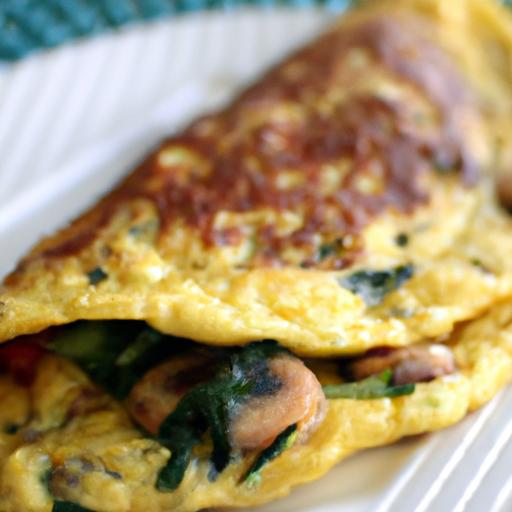


Few dishes embody comfort and simplicity quite like the humble omelette. Yet, beneath its seemingly effortless exterior lies a delicate balance of technique, timing, and intuition. Mastering the art of a perfectly simple omelette is not just about following a recipe-it’s about understanding the rhythm of the eggs,the dance of heat,and the subtle touch that transforms basic ingredients into a tender,golden masterpiece. In this article, we’ll explore the secrets to creating an omelette that’s as satisfying in its elegance as it is in its simplicity, inviting both novice cooks and seasoned chefs to revisit this classic with fresh eyes and confident hands.
Mastering the art of a perfectly simple omelette starts with selecting the best ingredients and applying precise techniques that bring out a light, fluffy texture while bursting with flavor.This timeless dish, cherished for its versatility and comfort, invites both humble and gourmet ingredients to shine. Whether you’re crafting a fast breakfast or a refined brunch centerpiece,understanding how to balance elements with masterful heat control and a delicate fold will transform your omelette from ordinary to remarkable.
Prep and Cook Time
- Preparation: 5 minutes
- Cooking: 7 minutes
Yield
- Serves 1 large omelette or 2 smaller portions
Difficulty level
- Easy to Medium
Ingredients
- 3 large free-range eggs, beaten gently
- 2 tbsp whole milk or cream (for added richness)
- 1 tbsp unsalted butter
- Salt and freshly ground black pepper, to taste
- fresh herbs (chives, parsley, or tarragon), finely chopped, about 1 tbsp
- Filling options (choose or combine):
- ¼ cup finely shredded gruyère or cheddar cheese
- 2 tbsp sautéed mushrooms
- 2 slices cooked bacon or prosciutto, chopped
- Fresh baby spinach, roughly chopped (about ½ cup)
Instructions
- In a mixing bowl, whisk the eggs and milk gently untill just combined. Avoid overbeating to preserve air bubbles that contribute to fluffiness. Season with a pinch of salt and pepper.
- Heat a non-stick skillet over medium-low heat. Add the butter and allow it to melt until foamy but not browned-this ensures a tender, non-stick surface.
- Pour the egg mixture evenly into the pan.Let it cook undisturbed for about 30 seconds so the edges begin to set.
- Using a silicone spatula, gently pull the edges inward while tilting the pan to let the uncooked egg flow beneath. Continue this motion until mostly set but still moist on top (approximately 2-3 minutes).
- Sprinkle the chosen fillings evenly on one half of the omelette. Avoid overfilling to maintain an easy fold without tearing.
- Carefully fold the omelette in half using the spatula. Let it cook another 30 seconds to 1 minute for the cheese to melt and fillings to heat through.
- Slide the omelette onto a warmed plate, garnish with fresh herbs, and serve promptly for best texture and flavor.
Tips for success
- Choosing the right eggs: Fresh, high-quality eggs with a rich yolk enhance both flavor and color, crucial to an inviting omelette.
- Whisk gently: Vigorous whisking can break down air bubbles. A gentle mix encourages a tender, fluffy omelette.
- Mastering heat control: Too hot a pan can brown or toughen the eggs, while low heat preserves moisture and softness.
- Folding technique: Use a flexible spatula and fold smoothly without forcing to avoid breaking the omelette’s delicate surface.
- Make-ahead fillings: Prepare sautéed vegetables, cooked bacon, or shredded cheese ahead to streamline the cooking process without rushing.
Serving Suggestions
Serve your perfectly simple omelette with a side of crisp mixed greens dressed lightly with lemon vinaigrette or a fresh tomato salsa to add brightness. For a touch of elegance,garnish with microgreens or edible flowers. Pair it with crusty artisan bread or a buttery croissant to complete a balanced and visually appealing plate.

| Nutrient | Per Serving |
|---|---|
| Calories | 280 kcal |
| Protein | 19 g |
| Carbohydrates | 3 g |
| Fat | 21 g |
For further exploration on egg culinary techniques, visit Serious Eats’ guide to eggs. To discover dish pairings and more egg-based recipes, explore our Easy Breakfast Recipes section.
Q&A
Q&A: Mastering the Art of a Perfectly Simple Omelette
Q1: What makes an omelette “perfectly simple”?
A1: A perfectly simple omelette embodies elegance through minimalism. It’s about using just a few high-quality ingredients-fresh eggs, a pinch of salt, and perhaps a touch of butter-allowing the natural flavors to shine. The goal is a tender, fluffy texture without unnecessary embellishments that overshadow the essence of the egg.
Q2: how vital is the choice of ingredients?
A2: Extremely critically important. The simplicity of the dish means each ingredient’s quality directly influences the outcome. Fresh, free-range eggs yield richer flavor and better texture, while fresh butter lends a subtle creaminess. Even salt and pepper should be added thoughtfully, as they enhance rather than mask the omelette’s natural taste.
Q3: What’s the ideal technique for cooking a simple omelette?
A3: Technique is key. Start by whisking eggs just enough to combine whites and yolks uniformly, but avoid overbeating. Cook over medium-low heat in a nonstick or well-seasoned pan, allowing gentle, even cooking.Patience matters-rushing leads to browning or rubberiness. The omelette should be soft and slightly glossy, not browned or dry.Q4: Should you add fillings or keep it plain?
A4: For the “perfectly simple” approach, minimal or no fillings are preferred to highlight the egg’s texture and flavor. However, if desired, subtle additions like fresh herbs or a sprinkle of cheese can complement rather than overwhelm. The essence lies in restraint.
Q5: How can one avoid common mistakes like overcooking or breaking the omelette?
A5: Low and slow is the mantra. Avoid high heat that cooks eggs insensitively. Use a nonstick pan with enough butter so the eggs glide smoothly. Let the eggs set gently before attempting to fold or slide the omelette onto a plate. With practice, the omelette becomes your graceful canvas rather than a fragile puzzle.
Q6: What makes mastering a simple omelette a worthwhile culinary skill?
A6: Beyond being a quick and nutritious meal, mastering a simple omelette is an exercise in discipline and gratitude for basics. It teaches respect for ingredients,sharpens intuition about heat control,and offers a satisfying creative outlet-proving complexity isn’t necessary to achieve culinary perfection.
In Retrospect
mastering the art of a perfectly simple omelette isn’t just about cracking eggs or flipping skillets-it’s about embracing the quiet moments of creativity and the joy found in simplicity.With a few mindful techniques and a dash of patience, you can transform humble ingredients into a canvas of comfort and flavor. So, next time you step into the kitchen, remember: the perfect omelette is less a recipe to follow and more a craft to enjoy, one gentle fold at a time.