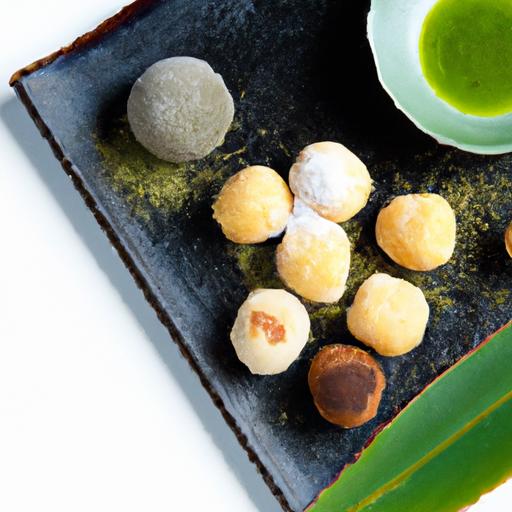

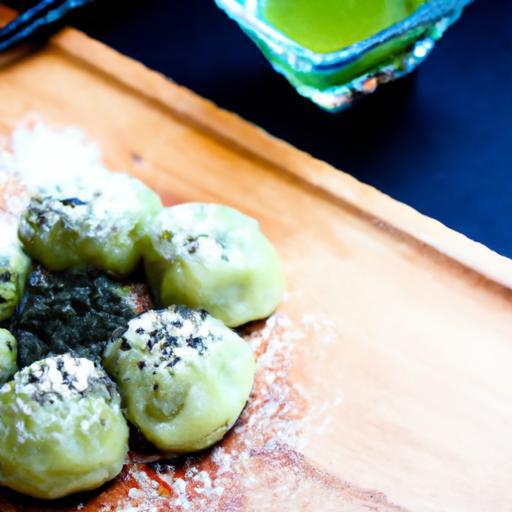
Nestled in teh vibrant streets of Wrocław lies a sweet secret that has been quietly captivating the palates of locals and visitors alike-mochi daifuku. This delicate Japanese confection, a harmonious blend of chewy mochi rice cake wrapped around luscious fillings, offers a unique sensory journey far from its conventional origins. As Wrocław’s culinary scene continues to flourish with diverse influences, mochi daifuku stands out as a delightful fusion of culture and taste. Join us as we explore where to find these charming treats in the city’s heart and uncover the stories behind their growing popularity.
Discovering Mochi Daifuku Delights in Wrocław’s Heart invites you on a sensory journey through chewy, sweet, and surprisingly inventive Japanese treats.Originating from Japan, mochi daifuku is a soft, glutinous rice cake encasing luscious fillings, and in Wrocław’s bustling city center, artisans have elevated this traditional sweet with innovative local twists that charm both locals and visitors alike. Whether you crave classic red bean or crave daring fusions like matcha-lavender or black sesame with yuzu, these hidden gems redefine indulgence in every tender bite.
Prep and Cook time
- Preparation: 20 minutes
- cooking: 10 minutes
- Total Time: 30 minutes
Yield
Makes 10 mochi daifuku pieces
Difficulty Level
Medium – Requires some finesse handling the sticky mochi dough but accessible to passionate home cooks.
Ingredients
- 1 cup mochiko (sweet rice flour)
- 2/3 cup granulated sugar
- 3/4 cup water
- 1/4 cup cornstarch or potato starch, for dusting
- 10 pieces pre-made anko (sweet red bean paste) balls (~1 tablespoon each)
- Optional fillings: white chocolate chunks, matcha powder, black sesame paste, fruit preserves
Instructions
- Prepare your workspace: Generously dust a clean surface with cornstarch to avoid sticking during shaping.
- Make the mochi dough: In a microwave-safe bowl, combine mochiko and sugar. Gradually whisk in water until smooth and uniform.
- Cook the mixture: Microwave the batter on high for 1 minute. Stir briskly to combine. Repeat this process 2-3 times until the dough turns translucent and thickens.
- Cool and coat the dough: Dust a bowl with starch then transfer the hot mochi dough into it. Carefully coat the dough with starch on all sides to prevent stickiness.
- Divide and shape: Pinch off a golf-ball-sized portion of dough. flatten gently between your palms into a disk.
- Fill and seal: Place an anko ball or your preferred filling in the center.Carefully wrap the mochi dough around the filling, pinching edges to seal completely.
- Finish and rest: Shape the filled mochi into smooth spheres and transfer to a starch-dusted tray.Let them rest 10 minutes for optimal texture.
- Serve fresh: Mochi daifuku is best enjoyed within a day for chewy softness and fresh filling taste.
Chef’s Notes: Tips for success
- Work quickly: Mochi dough cools rapidly and becomes harder to shape – keep hands dusted with starch and move promptly.
- Custom fillings: Swap out classic anko for tropical fruit jams, silky peanut butter, or matcha-infused creams for an adventurous twist.
- Storage: Store mochi in an airtight container at room temperature, avoiding refrigeration to prevent them from drying out.
- Troubleshooting: If dough feels too sticky, add more starch; if too dry and cracking, steam briefly to soften.
Serving Suggestions
Serve your mochi daifuku on a delicate ceramic plate, lightly dusted with extra starch for a charming rustic look. Garnish with edible flowers like cherry blossoms or sprinkle fine matcha powder atop for a pop of color and flavor. Pair with a hot cup of green tea or fragrant jasmine to balance the sweetness. For a modern presentation, arrange assorted flavors on a wooden board with fresh fruit slices and toasted coconut flakes.

| Nutrient | Per Serving (1 piece) |
|---|---|
| Calories | 110 kcal |
| Protein | 1.2 g |
| Carbohydrates | 25 g |
| Fat | 0.3 g |
For an insider’s guide to authentic mochi daifuku in Wrocław’s city center, many recommend this curated list of japanese dessert shops. To deepen your appreciation of mochi’s history and culture, the National Geographic’s feature on mochi offers captivating insights and inspiration.
Ready to explore further? Discover our article on Healthy Asian Dessert Alternatives to expand your sweet cravings with mindful choices.
Q&A
Q&A: Discovering Mochi daifuku Delights in Wrocław’s Heart
Q: What is Mochi Daifuku?
A: Mochi Daifuku is a traditional Japanese confection consisting of a soft, chewy mochi (rice cake) exterior wrapped around a sweet filling, often red bean paste, fruit, or cream. It delights with its unique texture and balance of subtle sweetness.
Q: Why explore mochi Daifuku in Wrocław?
A: Wrocław, known for its rich cultural tapestry and vibrant food scene, has embraced this Japanese treat, blending international flavors with local charm. Discovering Mochi Daifuku here offers a refreshing taste adventure right in the city’s bustling heart.
Q: Where can one find Mochi Daifuku in Wrocław?
A: Mochi Daifuku can be found in select Asian dessert cafes and specialty shops throughout the city center. These spots craft authentic treats, often putting their own creative twist on the classic fillings.
Q: How does Mochi Daifuku reflect Wrocław’s cultural vibe?
A: The popularity of Mochi Daifuku in Wrocław mirrors the city’s openness to global influences and culinary innovation. It’s a appetizing example of how tradition meets modernity in a city that celebrates diversity.Q: What should first-time tasters expect?
A: Upon the first bite, expect a pleasantly chewy texture that gently gives way to a sweet, often creamy or fruity center. Mochi Daifuku is delicate yet satisfying,making it a perfect snack or dessert for those curious about Japanese sweets.
Q: Are there unique Wrocław-inspired Mochi Daifuku varieties?
A: Some local vendors experiment with fusion flavors incorporating regional ingredients like Polish berries or honey,creating Mochi Daifuku variants that honor both Japanese tradition and local tastes.
Q: Is Mochi Daifuku suitable for those with dietary restrictions?
A: Traditionally gluten-free, Mochi Daifuku is frequently enough safe for those avoiding gluten, but fillings may vary. It’s best to check with individual vendors about ingredients, especially for vegan or allergen concerns.Q: How can visiting Mochi Daifuku spots enhance one’s visit to Wrocław?
A: Sampling Mochi Daifuku adds a flavorful layer to exploring Wrocław’s culinary landscape, providing a moment of cultural discovery and sweet indulgence amidst the city’s historic and artistic scenes.
In Summary
As the soft sweetness of mochi daifuku melts away, Wrocław’s vibrant heart reveals itself not just in its historic streets, but in the unexpected joy of every bite. Whether you’re a local or a traveler, this delicate treat offers a delicious invitation to pause and savor the city’s unique blend of tradition and innovation. In discovering mochi daifuku here, you uncover more than a dessert-you find a small, flavorful story woven into Wrocław’s rich cultural tapestry.