

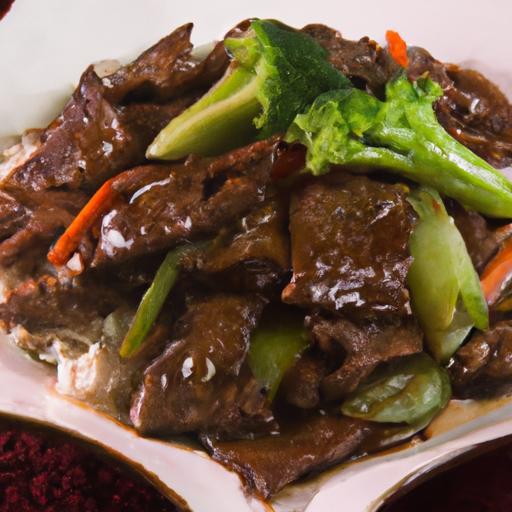
There’s something undeniably captivating about Mongolian beef-a dish that marries tender slices of beef with a rich, savory sauce, creating a symphony of flavors that has won hearts worldwide. while its origins may be a bit murky, this beloved recipe continues to grace dinner tables with its perfect balance of sweet, salty, and umami notes. In this simple guide, we’ll explore how to recreate the magic of Mongolian beef in your own kitchen, breaking down the steps to help you savor every bite of this comforting, flavorful classic. Whether you’re a seasoned home cook or a curious beginner, prepare to bring a taste of this vibrant dish to your table with ease.
Savor the Flavors of Mongolian Beef by diving into the authentic ingredients and time-honored techniques that make this dish a beloved favorite worldwide. Originating from the vibrant culinary traditions of Taiwan rather than Mongolia itself, this dish beautifully balances sweet and savory notes with tender beef slices coated in a luscious sauce. My first encounter with Mongolian Beef was at a family gathering, where its irresistible glaze and rich aroma instantly captivated everyone’s senses. This simplicity combined with explosive depth of flavor is what makes mastering this recipe so rewarding-and approachable for cooks of all levels.
Prep and Cook Time
- Planning: 15 minutes
- Cooking: 15 minutes
- Total Time: 30 minutes
Yield
Serves 4 generously as a main course.
Difficulty level
easy to Medium – perfect for home cooks seeking a flavorful stir-fry without fuss.
Ingredients
- 1 lb flank steak, thinly sliced against the grain
- 1/4 cup cornstarch, for coating
- 3 tbsp vegetable oil
- 4 cloves garlic, finely minced
- 1 tsp fresh ginger, grated
- 1/2 cup low-sodium soy sauce
- 1/3 cup brown sugar, packed
- 1/2 cup water
- 2 tsp hoisin sauce (optional, for added depth)
- 1/2 tsp crushed red pepper flakes (adjust to taste)
- 4 green onions, sliced thinly on a bias
- steamed jasmine rice, for serving
Step by Step Techniques for Tender Juicy Beef
- Prepare the beef: Pat the flank steak slices dry with paper towels, then toss gently with cornstarch until each piece is evenly coated. This creates a crispy exterior once cooked, helping seal in the juices.
- Heat the wok or large skillet: Add vegetable oil over medium-high heat. When shimmering hot, add the beef in a single layer. Avoid overcrowding to ensure proper browning. Sauté until the beef edges are crisp and golden, about 3-4 minutes. Remove and set aside.
- Sauté aromatics: In the same pan, reduce heat to medium. Add minced garlic and grated ginger. Stir continuously for 30 seconds to release their fragrant oils without burning.
- Create the sauce: Pour in soy sauce, brown sugar, water, and hoisin sauce if using. Stir until sugar dissolves and the sauce begins to simmer.
- Return beef and thicken: Add the beef back into the pan along with red pepper flakes. Toss gently to combine. Continue cooking, stirring ofen, until the sauce thickens and coats the beef evenly, about 2-3 minutes.
- Finish with green onions: Stir in sliced green onions just before removing the pan from heat, preserving their fresh crunch and vibrant color.
Mastering the Perfect Balance of Sweet and Savory flavors
Achieving that signature sweet-savory harmony hinges on choosing the right soy sauce and sugar. A naturally brewed soy sauce amplifies umami depth without overwhelming saltiness. Meanwhile, brown sugar adds caramel undertones that meld beautifully with the rich meatiness of the beef. For variation, feel free to experiment with coconut sugar or a splash of mirin for subtle complexity. Remember, gradual tasting during the simmering stage helps customize sweetness and heat to your preference.
Tips for Success
- Slice beef thinly: Cutting against the grain ensures each bite is tender rather than chewy.
- Maintain high heat while stir-frying: this locks flavors and creates that coveted slightly crisp texture.
- Add sauce gradually: You can adjust the thickness by simmering longer or adding a tiny slurry of cornstarch mixed with cold water.
- Make ahead: Marinate beef with a touch of soy sauce and black pepper overnight for enhanced flavor.
- Substitutions: Sirloin or ribeye can replace flank steak if preferred, though pricier.
Serving Suggestions to Elevate Your Mongolian Beef Experience
Serve your Mongolian Beef steaming atop fluffy jasmine rice or alongside garlic-fried rice for an indulgent twist. Garnish with extra sliced green onions for freshness,toasted sesame seeds for crunch,and a drizzle of toasted sesame oil for a nutty aroma. Complement the dish with steamed broccoli or snap peas to add vibrant greens and texture contrast. A light cucumber salad on the side cuts thru the richness, balancing the plate beautifully.

| Nutrient | Per Serving |
|---|---|
| Calories | 420 kcal |
| Protein | 35 g |
| Carbohydrates | 28 g |
| Fat | 18 g |
Discover more about flavorful Asian recipes like Crispy Orange Chicken and learn expert tips on stir-fry techniques here.
Q&A
Q&A: savor the Flavors – A Simple Guide to Mongolian Beef
Q1: What exactly is Mongolian Beef?
A1: Despite its name, Mongolian Beef isn’t a conventional dish from Mongolia. it’s a popular Chinese-American stir-fry known for its tender beef slices bathed in a glossy, sweet, and savory sauce. The dish typically features soy sauce, brown sugar, garlic, and ginger, creating a harmonious blend of flavors that’s both comforting and flavorful.
Q2: What type of beef is best for this recipe?
A2: For the perfect Mongolian Beef, choose tender cuts like flank steak or sirloin. These cuts slice thinly and cook quickly, maintaining juiciness and tenderness. Thin slices also absorb the sauce better, ensuring every bite bursts with flavor.
Q3: How critically important is marinating the beef?
A3: While some recipes skip marinating, soaking the beef briefly in a mixture of soy sauce, cornstarch, and a little oil helps tenderize the meat and develop a more luscious texture. It also creates a slight coating that helps the sauce cling better during cooking.
Q4: What makes the sauce in Mongolian Beef distinctive?
A4: The sauce’s magic is in its balance-sweetness from brown sugar or hoisin, saltiness from soy sauce, and a hint of warmth from ginger and garlic. This trio creates a glossy umami-rich glaze that envelops the beef, making it irresistibly appetizing.
Q5: Are there any key cooking tips to master the dish?
A5: Absolutely. High heat and quick cooking keep the beef tender and juicy. Stir-frying in small batches prevents overcrowding the pan, ensuring even cooking. Adding the sauce last and letting it reduce slightly gives that signature thick, sticky finish.
Q6: Can mongolian Beef be made healthier without sacrificing flavor?
A6: Definitely. Swap out refined sugar for natural sweeteners like honey or maple syrup, use leaner cuts of beef, or even substitute with plant-based protein. Incorporating more vegetables like bell peppers or broccoli can add nutritional value and color without dulling the iconic taste.
Q7: What are some common side dishes that complement Mongolian beef?
A7: Steamed jasmine or brown rice is a classic pairing, soaking up the luscious sauce beautifully. Stir-fried vegetables or simple bok choy on the side add freshness and crunch. For a heartier meal,egg rolls or a light Asian slaw can round things out.
Q8: Is Mongolian Beef difficult to prepare at home?
A8: Not at all.With simple ingredients and straightforward techniques, it’s a beginner-pleasant dish. The key is prepping ingredients ahead, slicing the beef thinly, and maintaining high heat during cooking for that perfectly caramelized glaze.Q9: How can one add a personal twist to the recipe?
A9: Feel free to experiment with spices-try adding a dash of chili flakes for heat or a splash of rice vinegar for tanginess. Incorporating sesame seeds or fresh scallions at the end adds texture and freshness, making the dish uniquely yours.
Q10: Why is Mongolian Beef such a beloved dish worldwide?
A10: Its universal appeal lies in the perfect marriage of sweet and savory flavors paired with tender beef, making it comforting yet exciting. quick to cook and deeply satisfying, Mongolian Beef has earned a spot on dinner tables from family kitchens to bustling restaurants around the globe.
Concluding Remarks
Whether you’re a seasoned cook or a curious foodie, mastering Mongolian beef is a rewarding journey into bold flavors and comforting textures. With its perfect balance of sweet and savory, this dish invites you to explore a taste tradition that’s both approachable and deeply satisfying. so next time you’re craving something rich yet simple, remember that a appetizing stir-fry is just a few easy steps away-ready to bring a little bit of Mongolia to your kitchen and your table.