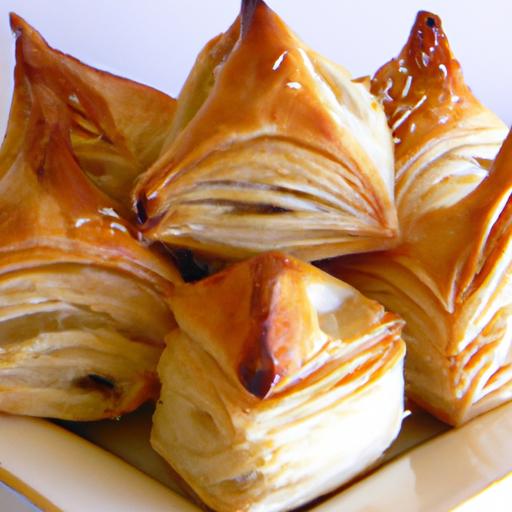

Moroccan Briouat Pastry:Nestled within the rich tapestry of Moroccan cuisine lies a hidden gem that tantalizes the senses with its delicate layers and bold flavors: the briouat.This savory pastry, often enjoyed as a street-side snack or a festive appetizer, embodies the vibrant culinary traditions of Morocco. Crisp on the outside and bursting with aromatic fillings on the inside, briouats offer a unique culinary experience that bridges history, culture, and taste.in this article,we delve into the origins,varieties,and planning of briouat,inviting you to explore the savory artistry behind one of Morocco’s most beloved treats.
Briouat stands as an iconic symbol of Moroccan savory pastry traditions, weaving together centuries of culinary heritage with an irresistible blend of spices, textures, and aromas. This delightfully crisp treat often graces festive tables, celebrations, and everyday gatherings alike, showcasing Morocco’s rich cultural tapestry through its vibrant flavors and intricate preparation. Whether filled with spiced meat, cheese, or almonds, Briouat’s unique shape and delicate filo-like wrapper make it a feast for both the eyes and palate.
Prep and Cook Time
- Preparation Time: 30 minutes
- Cooking Time: 20 minutes
- Total Time: 50 minutes
Yield
Approximately 24 savory pastries
difficulty Level
Medium – requires some finesse folding the pastry
Key Ingredients and Flavor Profiles That Define Briouat
The soul of Briouat is found in its aromatic filling and the contrast of its crisp exterior with moist, richly spiced insides. The most common filling combines ground lamb or beef with fresh parsley, cilantro, ground almonds, and a fragrant blend of cinnamon, cumin, and turmeric.These spices harmonize to evoke the warmth and depth characteristic of Moroccan cuisine. Additionally, a hint of harissa or hot paprika can add an enticing mild heat, balancing the pastry’s earthiness. The delicate pastry sheets, often filo or warped warka dough, are brushed liberally with olive oil or melted butter to achieve their signature golden crunch.
Ingredients
- 12 sheets of filo or warka pastry
- 300g (10.5 oz) ground lamb or beef
- 1 small onion, finely chopped
- 2 cloves garlic, minced
- 1/2 cup ground almonds, toasted
- 1/4 cup fresh parsley, finely chopped
- 1/4 cup fresh cilantro, finely chopped
- 1 tsp ground cinnamon
- 1 tsp ground cumin
- 1/2 tsp ground turmeric
- 1/4 tsp cayenne pepper or harissa paste (optional)
- salt and black pepper, to taste
- Olive oil or melted butter, for brushing
- Vegetable oil, for frying
Step-by-Step Guide to Preparing Authentic Moroccan Briouat
- Prepare the filling: Heat a tablespoon of olive oil in a skillet over medium heat. Sauté the chopped onion and garlic untill translucent, about 5 minutes, stirring frequently.
- Cook the meat: Add the ground lamb or beef to the skillet. Break it apart and cook until browned all over, approximately 8-10 minutes.
- Spice it up: Stir in the cinnamon, cumin, turmeric, cayenne (if using), salt, and pepper. Mix well to distribute spices evenly.
- Add herbs and almonds: Remove from heat and fold in the chopped parsley,cilantro,and toasted ground almonds. Let the filling cool slightly for easier handling.
- Prepare the pastry sheets: Cut each sheet of filo into strips approximately 4 inches wide.Keep the sheets covered with a damp cloth to prevent drying out.
- Fill and fold: Place a teaspoon of filling at one end of a filo strip. Fold the dough over the filling into a triangle shape, continuing to fold in triangles along the strip until fully enclosed.
- Seal and oil: Brush the final edge with olive oil or melted butter to seal the pastry securely.
- Fry to golden perfection: Heat vegetable oil in a deep pan to 350°F (175°C). Fry the briouats in batches, turning occasionally, until they are crisp and golden, about 3-4 minutes per batch.
- Drain and serve: Remove briouats with a slotted spoon and drain on paper towels to remove excess oil.
Tips for Pairing Briouat with Traditional Moroccan Beverages and Sauces
Briouat pairs beautifully with classic Moroccan accompaniments. Consider serving with a refreshing mint tea, its sweet and herbal notes providing a perfect counterbalance to the pastry’s savory richness. For sauces,a side of Zaalouk (a smoky eggplant and tomato dip) or a cool yogurt-based harissa sauce can elevate your Briouat experience. The interplay of warm spices and cooling elements creates an authentically Moroccan flavor journey that delights the senses with every bite.
Chef’s Notes
- For a vegetarian version, substitute the meat with mashed chickpeas, sautéed mushrooms, or spiced lentils.
- Make-ahead tip: Prepare the filling and fold briouats in advance, then freeze on a tray. Fry directly from frozen for convenience.
- When folding, ensure the pastry sheets remain damp but not soggy to prevent tearing.
- Achieve an even golden-brown crust by maintaining consistent frying oil temperature.
Serving Suggestions
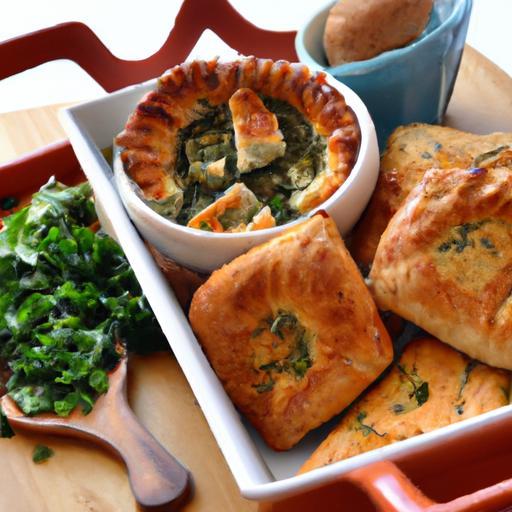
Arrange the Briouat on a colorful Moroccan tagine plate, garnished with fresh mint leaves and a sprinkle of toasted sesame seeds or crushed pistachios. Accompany with lemon wedges for an added burst of brightness.

| Nutrient | Per Serving (1 piece) |
|---|---|
| Calories | 120 kcal |
| Protein | 6 g |
| Carbohydrates | 9 g |
| fat | 7 g |
For more Moroccan delicacies and to deepen your culinary journey, explore moroccan Spiced Lamb Tagine. To learn more about the historical meaning of North African pastries, visit Britannica’s entry on Moroccan cuisine.
Q&A
Q&A: Briouat – Exploring the Delightful Moroccan Savory Pastry
Q1: What is Briouat?
A1: Briouat is a traditional Moroccan pastry that enchants with its crisp, flaky exterior and flavorful filling. typically small and triangular or cylindrical, these savory pastries are made by wrapping thin warqa dough around fillings that range from spiced meat and seafood to cheese and vegetables.
Q2: Where does Briouat originate from?
A2: Briouat hails from Morocco, reflecting the country’s rich culinary tapestry influenced by Berber, Arab, and Mediterranean flavors. It is a beloved snack and appetizer commonly served during special occasions, family gatherings, and religious celebrations.Q3: What are the most popular fillings used in Briouat?
A3: the most traditional fillings include minced lamb or beef mixed with aromatic spices such as cinnamon, cumin, and ginger, frequently enough combined with chopped almonds or pine nuts. Vegetarian versions feature combinations like cheese with herbs, or spiced mashed potatoes. Sweet variants with almond paste and honey also exist, but savory Briouats remain most common.
Q4: How is Briouat prepared?
A4: Preparation begins with a delicate warqa dough, similar to phyllo, which is carefully layered and then filled with a savory mixture. The pastries are skillfully folded into triangles or cylinders, sealed, and then fried until golden and crispy. Some recipes call for baking, but frying is traditional, giving Briouat its signature texture.
Q5: What makes Briouat unique among Moroccan pastries?
A5: Its uniqueness lies in the combination of crisp pastry and richly spiced, tender filling, paired with its distinctive shapes and versatile ingredients. The delicate craftsmanship required to fold and seal the dough, while ensuring the filling remains moist and flavorful, showcases Moroccan culinary artistry.
Q6: How is Briouat typically served?
A6: Briouat is often served warm as an appetizer or snack, accompanied by sides such as fresh salads or Moroccan mint tea. they can also appear on festive tables alongside other traditional dishes during Ramadan or celebrations like Eid.
Q7: Can Briouat be made at home?
A7: Absolutely! While replicating the ultra-thin warqa dough might be challenging for beginners, many home cooks use phyllo pastry as a convenient substitute. With patience and good seasoning, homemade Briouat makes for a rewarding and delicious endeavor.
Q8: What cultural significance does Briouat hold?
A8: Beyond its delightful taste, Briouat symbolizes Moroccan hospitality and the importance of communal dining. Its presence at gatherings emphasizes sharing, warmth, and the celebration of Morocco’s diverse culinary heritage.
With its crunchy shell and savory heart, Briouat continues to be a cherished jewel of Moroccan cuisine, inviting food lovers worldwide to taste a bite of tradition.
To Conclude
In the rich tapestry of Moroccan cuisine, briouat stands out as a humble yet captivating thread-its flaky layers and savory fillings telling stories of tradition, flavor, and craftsmanship. Whether enjoyed as a snack on bustling streets or as a featured dish at festive gatherings, this delightful pastry invites both locals and travelers alike to savor a taste of Morocco’s vibrant culinary heritage. Exploring briouat is more than just indulging in a pastry; it’s an invitation to connect with the heart of a culture where every bite carries the warmth of history and the promise of shared moments.