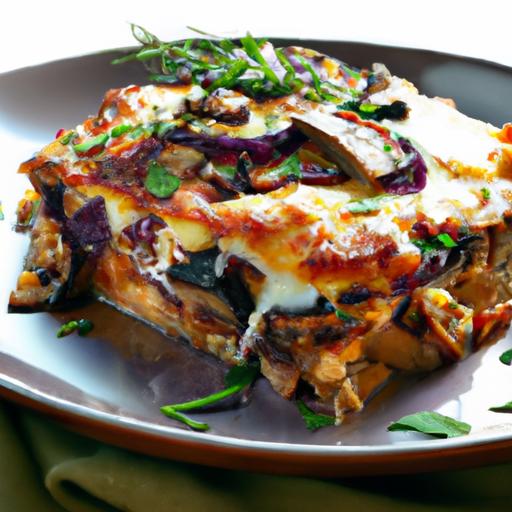

Beneath layers of tender eggplant, spiced meat, adn creamy béchamel lies a dish that has captured the essence of Mediterranean cuisine for generations: moussaka. This culinary treasure, revered across countries and cultures, tells a story not just of flavors but of history, tradition, and artistry. In “moussaka Unveiled: A Timeless Mediterranean Delight,” we embark on a journey to explore the origins, variations, and enduring appeal of this beloved dish-inviting readers to savor its rich tapestry beyond the plate.
Moussaka Unveiled is more than a dish; it is indeed a journey thru the rich culinary traditions of the Mediterranean basin. Originating from the levant and evolving famously in Greek cuisine, this layered casserole marries roasted vegetables, savory meat, and creamy béchamel into a comforting, soul-satisfying bake that has captivated food lovers worldwide. My first encounter with moussaka was in a sunlit taverna overlooking the Aegean, where the fragrant spices and velvety texture left an indelible mark-and inspired me to master this timeless delight in my own kitchen.
Prep and Cook Time
- Planning Time: 40 minutes
- Cooking Time: 1 hour 15 minutes
- Total Time: 1 hour 55 minutes
Yield
- Serves 6 generous portions
Difficulty Level
- Medium – perfect for home cooks ready to elevate their Mediterranean repertoire
mediterranean Flavors Brought Together – Ingredients
- 2 large eggplants, sliced into ½-inch rounds
- 3 medium potatoes, peeled and sliced
- 1 lb (450g) ground lamb (or beef for a milder taste)
- 1 large onion, finely chopped
- 3 cloves garlic, minced
- 1 can (14 oz) crushed tomatoes
- 2 tbsp tomato paste
- ½ cup dry red wine (optional, but adds depth)
- 1 tsp ground cinnamon
- 1 tsp ground allspice
- ½ tsp nutmeg
- 3 tbsp olive oil, divided
- Salt and freshly ground black pepper, to taste
- For the béchamel sauce: 5 tbsp unsalted butter, ⅓ cup all-purpose flour, 3 cups whole milk (warmed), 2 eggs (lightly beaten), 1 cup grated Kefalotyri or Parmesan cheese, pinch of ground nutmeg
Step-by-Step Instructions to Master the Moussaka Bake
- Prepare the Vegetables: Brush sliced eggplants with olive oil and roast at 400°F (200°C) for 20 minutes until golden and tender. Simultaneously, parboil the potato slices in salted water for 5 minutes. Drain and pat dry.
- Cook the Meat Sauce: In a large skillet, heat 2 tbsp olive oil over medium heat. Sauté onion until translucent, about 5 minutes. Add garlic; cook 1 more minute until fragrant. Add ground lamb, breaking it up, and cook until browned.
- Incorporate Flavors: Stir in crushed tomatoes, tomato paste, red wine, cinnamon, allspice, nutmeg, salt, and pepper. Simmer uncovered for 25-30 minutes until thickened, stirring occasionally.
- Make the Béchamel Sauce: Melt butter in a saucepan over medium-low heat. Whisk in flour until smooth and lightly fragrant, about 2 minutes. Gradually add warm milk, whisking constantly to avoid lumps.Continue cooking until sauce thickens (about 6-8 minutes). Remove from heat and temper eggs by stirring a small amount of sauce into beaten eggs,then incorporate back. Add cheese and nutmeg; stir well.
- Assemble the Layers: Preheat oven to 350°F (175°C). In a greased baking dish, arrange a layer of potatoes, followed by half the roasted eggplants. Evenly spread the meat sauce, then top with remaining eggplants.
- Finish with Béchamel: Pour béchamel sauce over the assembled layers, smoothing the top with a spatula to cover every inch.
- Bake: bake uncovered for 45 minutes until the top is golden brown and bubbling. Let rest at least 15 minutes before slicing to allow layers to set perfectly.
Tips for Success and Variations
- For a lighter version, substitute ground beef or turkey rather of lamb.
- Try grilling eggplant slices instead of roasting for smoky undertones.
- Add a pinch of cayenne or red pepper flakes to the meat sauce for subtle heat.
- Make ahead: Assemble the moussaka and refrigerate up to 24 hours before baking for enhanced flavors.
- Leftovers reheat beautifully and often taste even better the next day.
Serving Suggestions and Pairing Recommendations for an Authentic Mediterranean Experience
Serve moussaka warm, garnished with fresh flat-leaf parsley and a sprinkle of grated cheese for vibrant color and added aroma. A side of crisp Greek salad, bursting with ripe tomatoes, cucumbers, Kalamata olives, and creamy feta, offers a refreshing contrast. A chilled glass of dry, citrusy white wine like Assyrtiko or a robust red such as Agiorgitiko will perfectly complement the bold layers of this bake.
For dessert,consider a light lemon sorbet to cleanse the palate or classic baklava to continue the Mediterranean culinary indulgence.

| Nutrient | Per Serving |
|---|---|
| Calories | 450 kcal |
| Protein | 28 g |
| Carbohydrates | 30 g |
| Fat | 22 g |
Discover more classic Mediterranean recipes like our Spanakopita to complement your culinary journey. For detailed historical context and culinary insights, visit Britannica’s Ultimate Guide to Moussaka.
Q&A
Q&A: Moussaka unveiled – A Timeless Mediterranean Delight
Q1: What is Moussaka?
A1: Moussaka is a layered Mediterranean casserole dish, traditionally featuring eggplant, minced meat, and a rich béchamel sauce. It’s a beloved comfort food that weaves together simple ingredients into a harmonious and hearty meal.
Q2: Where does Moussaka originate from?
A2: Moussaka’s roots trace back to the Mediterranean, with its most famous rendition hailing from Greece. However, variations of this dish can be found across the Balkans and the Middle East, each adding unique local twists to the classic formula.
Q3: What makes Moussaka timeless?
A3: Its timelessness lies in the perfect balance of textures and flavors-the creamy béchamel contrasts with the savory meat and tender eggplant, while aromatic spices bring warmth. This combination has charmed palates for generations, standing the test of changing culinary trends.
Q4: How is traditional Greek Moussaka prepared?
A4: Typically, slices of eggplant are fried or baked, then layered with a spiced mixture of ground lamb or beef and tomato sauce.This is topped with a thick béchamel sauce made from butter, flour, milk, and often a hint of nutmeg, then baked until golden and bubbling.
Q5: Are there vegetarian versions of Moussaka?
A5: Absolutely! many vegetarian adaptations replace the meat with mushrooms, lentils, or a medley of vegetables like zucchini and potatoes, offering the same comforting essence while catering to plant-based diets.Q6: How is Moussaka usually served?
A6: Moussaka is typically enjoyed hot,often as a main course at family gatherings or festive occasions. It pairs wonderfully with a fresh salad,crusty bread,and a glass of robust red wine to complete the Mediterranean experience.
Q7: Can Moussaka be made ahead of time?
A7: yes, Moussaka actually benefits from resting-its flavors meld beautifully after a few hours or overnight in the fridge. It reheats well, making it a practical yet indulgent choice for busy cooks.
Q8: What cultural meaning does Moussaka hold?
A8: More than just a dish, Moussaka embodies Mediterranean hospitality and tradition. It evokes memories of communal meals, careful preparation, and the sharing of flavors that connect families and cultures across generations.
Q9: How has Moussaka influenced modern cuisine?
A9: Modern chefs often experiment with Moussaka’s structure and ingredients, creating lighter versions, vegan takes, or fusing it with other culinary traditions. Despite innovation, the essence of Moussaka continues to inspire both home cooks and professionals alike.
Q10: Why should one try making Moussaka at home?
A10: Making Moussaka at home is an invitation to savor Mediterranean warmth and history on your own plate.It encourages patience,creativity,and gratitude for layered flavors-a rewarding culinary journey that transforms simple pantry staples into a festive feast.
The Way Forward
As the layers of béchamel, tender eggplant, and spiced meat settle into a harmonious embrace, moussaka reveals itself not just as a dish, but as a culinary story steeped in Mediterranean heritage. Whether savored in a sunlit taverna or recreated in a cozy kitchen far from its roots, this timeless delight continues to invite food lovers on a journey through tradition and taste. In unveiling moussaka, we uncover more than a recipe-we celebrate a legacy that transcends borders and generations, inviting all to experience the enduring magic of Mediterranean cuisine.