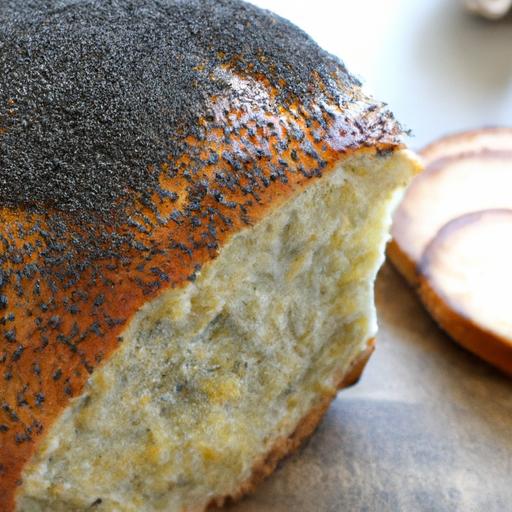

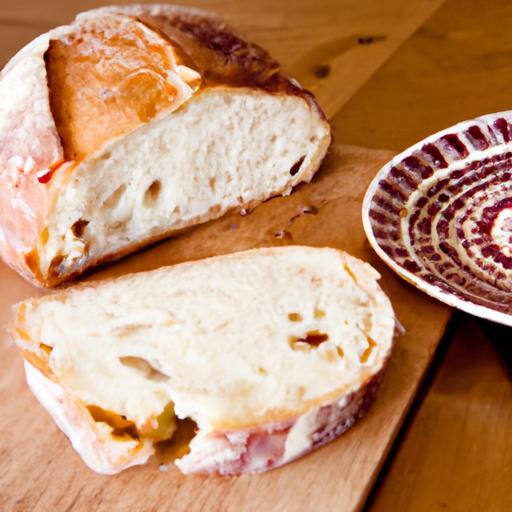
There’s a quiet charm to bread that carries the essence of simple, hearty ingredients-each bite telling a story of time-honored traditions and rustic kitchens. Rustic Onion and Poppy Seed Bread embodies this narrative beautifully,merging the subtle sweetness of caramelized onions with the nutty crunch of poppy seeds.This flavorful classic is more than just a loaf; it’s a party of texture and aroma, inviting both novice bakers and seasoned bread lovers to savor a timeless recipe that feels as comforting as it is indeed flavorful. Whether served alongside a comforting stew or enjoyed on its own,this bread offers a sensory journey back to the roots of artisanal baking.
Rustic Onion and Poppy Seed Bread is a timeless artisan creation where the deep sweetness of caramelized onions harmonizes beautifully with the subtle crunch and mild nuttiness of poppy seeds. this loaf’s character lies in its bold flavors intertwined with gentle aromatics, offering a sensory experience that is both hearty and refined. Originating from European village bakeries,this bread has a humble yet elegant appeal-perfect for those seeking a slice of tradition with every bite.
Prep and Cook Time
- preparation: 20 minutes
- Rising: 1 hour 30 minutes (including bulk fermentation and proofing)
- Baking: 30-35 minutes
- Total: Approximately 2 hours 30 minutes
Yield
One rustic loaf, serving 8-10 slices
difficulty Level
Medium – Suitable for bakers with some experience in handling yeast dough
Ingredients
- 3 ½ cups (420g) all-purpose flour, sifted
- 1 ½ tsp salt
- 2 tsp active dry yeast
- 1 cup warm water (105°F/40°C)
- 1 tbsp honey (or natural sugar)
- 3 tbsp olive oil
- 2 medium yellow onions, finely sliced
- 2 tbsp unsalted butter
- 2 tbsp poppy seeds (plus extra for topping)
Instructions
- Caramelize the onions: In a medium pan, melt butter over medium heat. Add the finely sliced onions and sauté until golden brown and fragrant, about 15-18 minutes, stirring often to avoid scorching. Once softened and lightly caramelized, remove from heat and let cool.
- Activate the yeast: In a small bowl,combine warm water and honey. Sprinkle the active dry yeast on top and let it bloom for 5-7 minutes until foamy, indicating the yeast is active.
- Prepare the dough: In a large mixing bowl, whisk together the sifted flour and salt. Add the caramelized onions, poppy seeds, olive oil, and the yeast mixture. Stir gently with a wooden spoon until a shaggy dough forms.
- Knead the dough: Turn the dough onto a lightly floured surface and knead for 8-10 minutes until smooth and elastic. The dough should be soft but not sticky. Add small amounts of flour if too wet.
- First rise (bulk fermentation): Place dough in a lightly oiled bowl, cover with a clean kitchen towel or plastic wrap, and let rise in a warm place for about 1 hour or until doubled in size.
- Shape the loaf: Gently deflate the dough and shape it into a round boule or an oval batard. Place on a parchment-lined baking tray or a floured proofing basket (banneton) for added rustic texture.
- Final proof: Cover and let proof for 30-45 minutes until puffy but not overproofed.
- Score and top: Preheat your oven to 450°F (230°C) with a baking stone or heavy tray inside. Just before baking, dust the loaf lightly with flour, sprinkle extra poppy seeds on top, and score with a sharp blade to allow expansion.
- Bake: Transfer the loaf onto the preheated stone/tray. For a crusty exterior, add steam by placing a shallow pan of hot water at the bottom of your oven or spritz water on the oven walls.Bake 30-35 minutes until golden brown with a crackling crust.
- Cool: Remove the bread and transfer to a wire rack to cool completely before slicing to ensure the crumb sets perfectly.
Tips for Success
- Onion preparation: Do not rush caramelizing; slow cooking onions coax out thier natural sweetness, essential for balancing the punch of yeast and poppy seeds.
- Water temperature: Lukewarm water is crucial for yeast activation. too hot will kill the yeast; too cold will delay rising.
- Steam in baking: Creating steam keeps the crust moist early on, enabling a lovely oven spring and a desirable crust crackle.
- Variations: Incorporate fresh herbs like thyme or rosemary for additional aromatics.
- Make-ahead: dough can be refrigerated overnight after the bulk fermentation for enhanced flavour advancement. Just bring to room temperature before shaping.
- Freezing: Fully cooled bread can be wrapped tightly and frozen for up to 2 weeks. Defrost at room temperature and refresh in the oven before serving.
serving Suggestions
This rustic onion and poppy seed bread shines when paired with creamy cheeses such as Brie or goat cheese.It’s also an excellent companion to hearty stews or spread with whipped butter and a drizzle of honey for a sweet-savory treat. Garnish with thinly sliced spring onions or a sprinkle of flaky sea salt for added texture and visual appeal.

| Nutrient | Per Slice (1/10 loaf) |
|---|---|
| Calories | 180 kcal |
| Protein | 5 g |
| Carbohydrates | 32 g |
| Fat | 4 g |
For more artisan bread recipes, check out our Homemade Artisan Breads Collection. To dive deeper into yeast baking science, visit the King Arthur Baking Science Guide.
Q&A
Q&A: Rustic Onion and Poppy Seed Bread – A Flavorful Classic
Q1: What makes Rustic Onion and Poppy Seed Bread a classic?
A1: This bread blends timeless ingredients-caramelized onions and nutty poppy seeds-with a hearty, crusty loaf. Its enduring appeal lies in the comforting aroma and satisfying texture that evoke customary baking, making it a beloved choice across generations.
Q2: How do the onions enhance the bread’s flavor?
A2: Onions add depth and sweetness, especially when sautéed or caramelized before incorporation. Their mellow richness balances the earthiness of the poppy seeds, creating a harmonious flavor profile that’s both savory and subtly sweet.
Q3: Why use poppy seeds in this bread?
A3: poppy seeds contribute a delicate crunch and a slightly nutty taste.They also add visual interest with their tiny speckled appearance, enhancing both texture and aesthetics in the loaf.
Q4: Is the bread difficult to make at home?
A4: Not at all. While rustic bread requires patience for rising and baking, the technique is straightforward.With basic ingredients and simple steps-mixing, proofing, shaping, and baking-home bakers can create this flavorful classic with rewarding results.
Q5: What are some ways to enjoy Rustic Onion and Poppy Seed Bread?
A5: Its robust flavor pairs beautifully with sharp cheeses, smoked meats, or creamy spreads. It can be served alongside soups or salads, used for sandwiches, or simply enjoyed toasted with butter for a delightful snack.
Q6: Can variations of this bread be made?
A6: Absolutely. You might experiment with different types of onions-red, sweet, or shallots-adjust the quantity of poppy seeds, or add herbs like rosemary or thyme for an aromatic twist. Each variation personalizes this classic while maintaining its signature rustic charm.
Q7: How should the bread be stored to maintain freshness?
A7: To preserve its crusty exterior and moist interior, wrap the bread loosely in a clean cloth or paper bag and store at room temperature. For longer storage, freeze slices individually and toast them as needed to revive the fresh-baked texture.
Q8: What cultural or regional origins does this bread have?
A8: Rustic breads featuring onions and poppy seeds are often rooted in Central and Eastern European culinary traditions. These breads reflect a resourceful approach to baking-utilizing simple pantry staples to craft satisfying, flavor-rich loaves ideal for daily meals.
Q9: Why is this bread considered ”rustic”?
A9: The term “rustic” highlights its hearty, artisanal quality-imperfect shapes, a thick crust, and a chewy crumb-evoking the simplicity and wholesomeness of countryside baking rather than refined, factory-made loaves.
Q10: What baking tips ensure the best results for this bread?
A10: Pay attention to dough hydration to achieve an airy crumb,allow ample time for fermentation to develop flavor,and bake on a preheated stone or heavy baking sheet for optimal crust. also, incorporating caramelized onions at the right stage helps maintain moisture and flavor distribution.
To Wrap It Up
Rustic Onion and Poppy Seed Bread is more than just a loaf-it’s a timeless blend of textures and flavors that invites both familiarity and delight. Whether enjoyed fresh from the oven or paired with your favorite meal, this classic bread continues to hold its place in kitchens and hearts alike, reminding us that sometimes, simplicity combined with a touch of rustic charm is all you need to create something truly memorable.