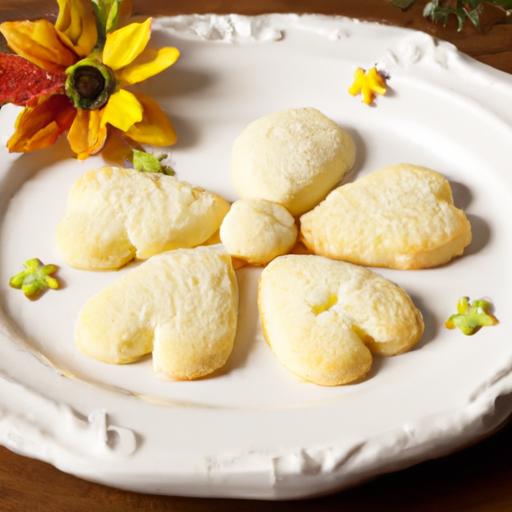

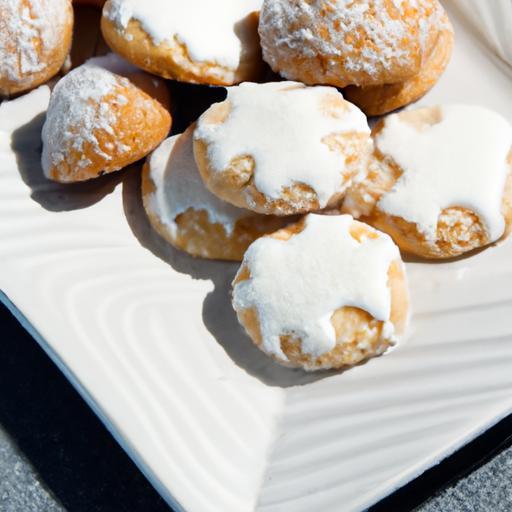
Nestled within the charming coastal region of Brittany, Palets Breton stand as a beloved emblem of French pastry tradition. These classic butter cookies, with their rich, crumbly texture and delicate golden hue, offer a simple yet indulgent treat that has captivated taste buds for generations. Beyond their buttery richness lies a story of regional pride and artisanal craftsmanship, inviting both seasoned gourmands and curious newcomers to explore the subtle nuances that make Palets Breton a timeless delight. In this article, we delve into the origins, ingredients, and cultural significance of these iconic cookies, uncovering the essence of a French culinary treasure.
Palets Breton have long held a celebrated place in French culinary tradition, captivating taste buds with their crumbly texture and rich buttery essence. Originating from Brittany, a coastal region in the northwest of france, these classic French butter cookies embody the rustic yet refined charm of Breton baking. Known locally as “palets,” these cookies were originally crafted by Breton farmers who prized local salted butter and simple,hearty ingredients,creating a biscuit that pairs wonderfully with tea,coffee,or a glass of cider. Their distinctive texture-both tender and slightly sandy-makes palets Breton a unique treat, reflecting centuries of heritage wrapped in every bite.
Prep and Cook Time
Readiness: 15 minutes
Chilling: 1 hour
Baking: 12-15 minutes
Yield
About 20 palets Breton (depends on thickness and cookie size)
Difficulty Level
Medium – Requires attention to dough temperature and careful baking for that signature crumbly texture
Ingredients
- 1 cup (225 g) unsalted butter, cold and cut into cubes
- 2/3 cup (135 g) granulated sugar
- 3 large egg yolks, at room temperature
- 2 cups (250 g) all-purpose flour, sifted
- 1/2 tsp fleur de sel (or fine sea salt; authentic use from Brittany)
- 1 tsp baking powder
Instructions
- Cream the butter and sugar: In a chilled bowl, use a stand mixer with the paddle attachment to beat the cold butter and sugar at medium speed until pale, creamy, and slightly fluffy, about 3-5 minutes.
- Add egg yolks: Beat in the egg yolks one at a time, ensuring each is fully incorporated before adding the next.
- Combine dry ingredients: in a separate bowl, mix the sifted flour, baking powder, and fleur de sel.
- Mix dry and wet: Slowly add the flour mixture to the butter mixture, folding gently until just combined. Avoid overmixing to maintain a tender crumb.
- Chill the dough: Turn the dough onto a lightly floured surface, shape into a thick log approximately 2 inches in diameter, wrap in plastic wrap, and refrigerate for at least 1 hour. Chilling firms the dough, making slicing easier and controlling spread in the oven.
- Preheat oven: Set your oven to 350°F (175°C) and line a baking sheet with parchment paper.
- Slice and bake: Using a sharp knife,cut the dough log into ½ inch thick rounds. Place cookies on the prepared baking sheet, spaced at least 1 inch apart.
- Bake: Bake for 12-15 minutes until the edges are golden while the centers remain pale. The cookies will firm up as they cool, so avoid overbaking.
- Cool: Allow cookies to cool on the baking sheet for 5 minutes before transferring to a wire rack to cool fully.
Tips for Success
- Use high-quality French butter, preferably with a higher fat content, to achieve the authentic rich taste and texture.
- Always chill the dough-this step is critical to preserve the cookie’s shape and crumbly nature.
- If your dough feels too soft after chilling, briefly freeze it to firm up before slicing.
- For added flavor,experiment with a hint of vanilla bean paste or a zest of lemon,but keep the recipe simple to honor tradition.
- Palets Breton dough can be prepared 1-2 days in advance; keep refrigerated wrapped tightly to maintain freshness.
Serving Suggestions
Enjoy these delicate, buttery cookies with a hot cup of black tea, coffee, or customary Breton cider for an authentic experience. Their slightly sandy yet tender crumb makes them perfect for dunking. garnish the serving platter with fresh lavender sprigs or a dusting of powdered sugar if desired. For a gourmet twist, serve alongside salted caramel sauce or a dollop of crème fraîche to enhance the buttery notes.
Tasting notes
Palets Breton offer an irresistible aroma of salted butter with subtle vanilla undertones. Their crumbly texture melts on the tongue, delivering a balance between buttery richness and a pleasingly sandy mouthfeel. The delicate hint of fleur de sel elevates the sweetness,providing a harmony that lingers long after the last bite.
| Nutrient | Per Cookie (31g) |
|---|---|
| Calories | 150 kcal |
| Protein | 2 g |
| Carbohydrates | 15 g |
| Fat | 9 g |
Recommended Brands and Where to Find Authentic palets Breton
When seeking ready-made palets Breton, look for artisanal brands that highlight their use of traditional Breton butter and local ingredients. Fauchon and Épicerie du Verger are respected purveyors offering authentic, lovingly crafted palets Breton. Specialty French food stores and gourmet sections of high-end supermarkets often stock these cookies, and they can also be ordered online for convenience.
For an authentic experience, visiting bakeries in Bretagne remains unbeatable-truly the heartland where palets Breton originated and where the craft continues to thrive.

Q&A
Q&A: Palets Breton – Exploring the Classic French Butter Cookies
Q1: What exactly are Palets Breton?
A1: Palets Breton are traditional French butter cookies hailing from Brittany, a region in northwest France. Known for their rich, crumbly texture and deep buttery flavor, these round, flat cookies are a beloved treat often enjoyed with tea or coffee. Their name, “palets,” means “puck” or “coin,” referring to their distinctive shape and size.
Q2: What makes Palets Breton different from other butter cookies?
A2: unlike many butter cookies that can be delicate and melt-in-your-mouth, Palets Breton have a uniquely dense yet tender crumb. This texture comes from a high butter content-sometimes salted butter from Brittany is used-which gives them a slightly savory undertone that complements their sweetness. The dough frequently enough includes egg yolks and a touch of sugar, creating a balance between richness and subtle sweetness.
Q3: How are Palets breton traditionally made?
A3: The classic recipe involves creaming softened butter with sugar, adding egg yolks, and incorporating flour and a hint of salt. The dough is chilled to help maintain its shape and then cut into thick rounds.These rounds are baked until golden, resulting in a cookie that’s crisp around the edges yet tender inside.Some variations may include a bit of baking powder for a lighter texture.
Q4: Why is the region of Brittany meaningful to Palets Breton?
A4: Brittany is renowned for its high-quality butter, which is frequently enough salted and has a distinctive flavor due to the region’s dairy farming traditions.this butter is the star ingredient in many Breton pastries, including Palets Breton. the local produce and culinary heritage have played essential roles in shaping these cookies’ unique taste and texture, making them a symbol of Breton gastronomy.
Q5: Can Palets Breton be customized or flavored differently?
A5: Absolutely.While the traditional recipe is straightforward, some bakers incorporate variations such as adding vanilla, lemon zest, or even a touch of rum. Though, the essence of a Palet breton lies in its buttery simplicity-too many additions can overshadow this classic character. Having mentioned that, serving the cookies with jams, chocolate, or cream can enhance the experience without altering their identity.
Q6: How are Palets Breton typically enjoyed?
A6: These cookies are often savored as an accompaniment to warm beverages like coffee, tea, or hot chocolate. In Brittany, they might be offered alongside a glass of cider, reflecting local traditions. Their buttery richness makes them ideal for dipping or simply nibbled on their own as a satisfying snack.
Q7: Where can one find authentic palets Breton outside France?
A7: Many French bakeries and patisseries abroad offer palets Breton,especially in cosmopolitan cities with French culinary influence. Additionally, several artisanal brands produce them in packaged form, maintaining traditional recipes. For those who appreciate baking, trying to make them at home can be a rewarding challenge that brings a taste of Brittany into your kitchen.
Q8: What cultural significance do Palets Breton hold?
A8: Beyond being a delightful treat, Palets Breton embody the heritage of Brittany’s strong culinary identity. They reflect the region’s emphasis on quality ingredients and artisanal craft. Sharing these cookies frequently enough evokes a sense of warmth, hospitality, and connection to French tradition, making them more than just a cookie-they’re a small piece of cultural storytelling.
Whether you’re a seasoned Francophile or a curious food lover, exploring palets Breton offers a tasty doorway into the flavors and history of France’s beloved Brittany region.
Final Thoughts
In the delicate crumb of a Palet Breton, history and tradition come alive-each buttery bite a gentle reminder of Brittany’s rich culinary heritage.Whether savored with a steaming cup of tea or gifted as a token of French charm, these classic cookies invite us to pause and appreciate the simple pleasures rooted in time-honored craftsmanship. Exploring Palets Breton is more than tasting a cookie; it’s embracing a story baked into every golden edge, a subtle celebration of culture wrapped in sweetness.