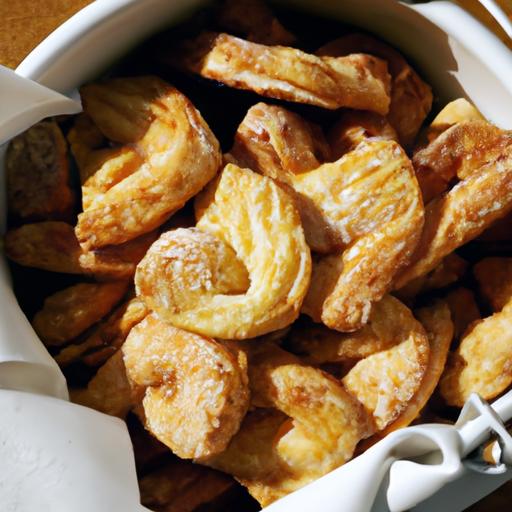

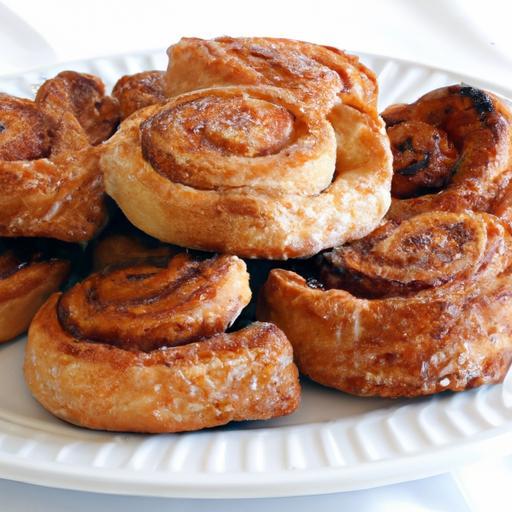
Palmiers Cookies :There’s something undeniably enchanting about the delicate crunch of a perfectly baked palmier cookie. These elegant, heart-shaped pastries, often overlooked amid the bustle of modern desserts, carry with them a timeless charm that transcends generations and cultures. Known for their flaky layers and caramelized sugar glaze, palmiers are a party of simplicity and technique-where basic ingredients transform into crispy delights. In exploring the story and allure of palmiers, we uncover not only a treat that delights the palate but also a pastry that connects us to culinary traditions both past and present.
Crispy delights like Palmiers are a heavenly marriage of buttery, flaky layers and caramelized sugar that melt in your mouth. Mastering this exquisite French pastry offers not only a timeless treat but also a versatile canvas to explore flavor beyond the classic cinnamon-sugar dusting. Whether you seek the satisfying crunch or that perfect golden caramel glaze, these steps and tips will elevate your baking game and inspire creative pairings for an unforgettable tasting experience.
Prep and Cook Time
- Readiness: 20 minutes
- Chilling: 30 minutes
- Baking: 15 minutes
- Total Time: approximately 1 hour 5 minutes
Yield
About 30 Palmiers cookies (depending on slice thickness)
Difficulty Level
Medium – Requires patience and attention to detail for perfect layering and caramelization
Ingredients
- 1 sheet (17.3 oz) frozen puff pastry, thawed but cold
- 1 cup granulated sugar (plus extra for sprinkling)
- 1 tsp ground cinnamon (optional for classic flavor variation)
- ½ cup finely chopped toasted nuts (almonds or pistachios, optional)
- 2 tbsp unsalted butter, melted (optional, for brushing)
- 1 tsp vanilla extract or orange zest (for flavor twists)
Instructions
- Prepare the surface: Lightly dust a clean workspace with sugar to prevent sticking. Roll out the thawed puff pastry slightly to smooth folds.
- Coat the pastry: Evenly sprinkle half the granulated sugar and, if desired, cinnamon mixture across the pastry. Press gently with a rolling pin to embed the sugar into the dough without tearing.
- Create the signature shape: Fold the longer edges of the pastry inward to meet at the center. Then fold each side again toward the middle, effectively rolling both edges into the center, forming a double-rolled log.
- Chill the dough: Wrap the log tightly in parchment paper and refrigerate for at least 30 minutes. This step is crucial to firm the dough and prevent spreading during baking.
- Slice with care: Using a sharp serrated knife, cut the chilled dough into ¼-inch thick slices. Maintain even thickness for uniform baking and crispiness.
- Prepare for baking: Lay slices flat on a parchment-lined baking sheet, spacing them at least 1 inch apart to allow room for expansion.
- Optional flavors: Sprinkle finely chopped toasted nuts on top or brush lightly with melted butter infused with vanilla or a zest infusion before baking.
- Heat your oven: Preheat to 400°F (200°C). This high heat is key for rapid caramelization and flakiness.
- Bake to perfection: Bake for 12-15 minutes or until the cookies are golden brown and deeply caramelized. Flip halves halfway through baking for even browning (optional but recommended).
- Cool crisp: Transfer cookies to a wire rack immediately after baking to set the caramel and preserve crunch.
Tips for Achieving the Ultimate Crunch and Caramelization
For irresistibly crisp Palmiers, begin with high-quality puff pastry and keep it chilled until just before rolling. Embedding granulated sugar into the dough rather than sprinkling on top allows the sugar to melt into luscious caramel pockets as heat transforms it. Baking on a preheated heavy cookie sheet or pizza stone ensures radiant heat hits the base, producing that coveted snap and deep caramel color. avoid overcrowding the tray; each cookie needs space to expand without sticking together.
Exploring Flavor Variations Beyond the Classic Recipe
Experimentation transforms these crispy delights into personalized masterpieces. For a nutty crunch, consider brushing the dough with almond paste or layering thin slices of pear before rolling. A dusting of cardamom or finely grated citrus zest brings a bright twist, while a layer of finely chopped dark chocolate before folding adds indulgence. Savory versions with parmesan and cracked black pepper also make an elegant appetizer choice. the delicate flakiness of Palmiers welcomes both sweet and savory riffs beautifully.
Serving Suggestions for an Elevated Experience
Present your golden-baked Palmiers on a rustic wooden board or vintage porcelain plate dressed with fresh berries or edible flowers to highlight their artisanal appeal. A light dusting of sifted powdered sugar or a drizzle of melted dark chocolate adds visual contrast and depth. pair these crunchy morsels with layered teas such as Earl Gray with bergamot, ripe white wines like a chilled Riesling, or freshly brewed espresso. The contrast between the sweet caramel crunch and the beverage’s profile creates a symphony of flavor,perfect for afternoon indulgence or sophisticated gatherings.
Nutritional Information
| Per Cookie (Approximate) | Calories | Protein | Carbohydrates | Fat |
|---|---|---|---|---|
| 1 Palmier | 90 kcal | 1 g | 12 g | 4 g |
Chef’s Notes
- Keep puff pastry cold at all times to retain distinct, flakey layers.
- Use a sharp knife or bench scraper to slice the log; pressing down firmly helps maintain shape.
- For a gluten-free option, try pre-made gluten-free puff pastry brands tested for flakiness.
- Make-ahead tip: Slice and freeze raw logs, then bake straight from frozen adding a few extra minutes.
- for a vegan version, substitute butter with coconut oil and select a plant-based puff pastry.
Discover more refined pastry secrets in our French pastries guide and deepen your baking knowledge with King Arthur Baking’s trusted recipe resources.

Q&A
Q&A: Crispy Delights – The Timeless Charm of Palmiers Cookies
Q1: What exactly are Palmiers cookies?
A1: Palmiers are delicate, crisp pastries made from puff pastry dough rolled in sugar and baked until caramelized and golden. Their distinctive butterfly or heart shape gives them a whimsical, elegant appeal, making them as visually delightful as they are tasty.Q2: Where did Palmiers originate?
A2: Palmiers have their roots in French patisserie,where they are also known as “palm leaves” or “elephant ears.” Though their precise origins are somewhat murky, these treats have been enjoyed in europe for centuries, becoming a staple of classic french baking.
Q3: What makes Palmiers so timeless?
A3: Their simplicity and balance of textures-light, flaky layers paired with a sweet, caramelized crunch-are universally appealing. Palmiers don’t rely on complex ingredients or overly rich flavors, which allows them to transcend trends and remain a beloved snack across generations.
Q4: How are Palmiers typically enjoyed?
A4: Palmiers are commonly enjoyed alongside a cup of tea or coffee, serving as a light, sweet accompaniment that doesn’t overwhelm the palate. Their portable size and sturdy texture also make them a popular choice for on-the-go snacks.
Q5: Can Palmiers be customized or flavored differently?
A5: Absolutely. While the classic version features just sugar, variations include adding cinnamon, chocolate, or even savory ingredients like cheese and herbs. These adaptations allow bakers to put unique spins on the conventional pastry, though the hallmark crispiness remains the same.
Q6: Are Palmiers challenging to make at home?
A6: Not necessarily. Making palmiers can be straightforward, especially if using ready-made puff pastry. The key lies in properly rolling and sugar-coating the dough to achieve the perfect caramelization and delicate crunch.
Q7: Why have Palmiers endured in popularity despite the rise of modern desserts?
A7: Their enduring charm lies in their simplicity and elegance. Palmiers connect us to a rich culinary heritage while delivering a satisfying texture and subtle sweetness that feels both nostalgic and timeless-a quality many modern desserts sometimes lack.
Q8: What occasions are Palmiers best suited for?
A8: Palmiers are versatile enough for everyday enjoyment yet refined enough for special occasions. From casual afternoon teas to holiday celebrations,their graceful appearance and delightful crunch make them a fitting treat for any moment.
In essence, Palmiers encapsulate the magic of simple ingredients transformed through technique into something truly memorable-a crispy delight whose timeless charm continues to captivate sweet lovers around the world.
Insights and Conclusions
As we close the pages on the tale of palmiers, it’s clear that these delicate, crispy wonders offer more than just a sweet treat-they carry a timeless charm that transcends cultures and generations. Whether enjoyed with afternoon tea or as a simple indulgence, palmiers remind us that sometimes, the most elegant pleasures come in the simplest forms. So next time you encounter these golden, flaky delights, take a moment to savor not only their crisp texture and buttery aroma but also the rich history folded within each bite. In the world of cookies, palmiers remain a graceful testament to the enduring allure of classic confections.