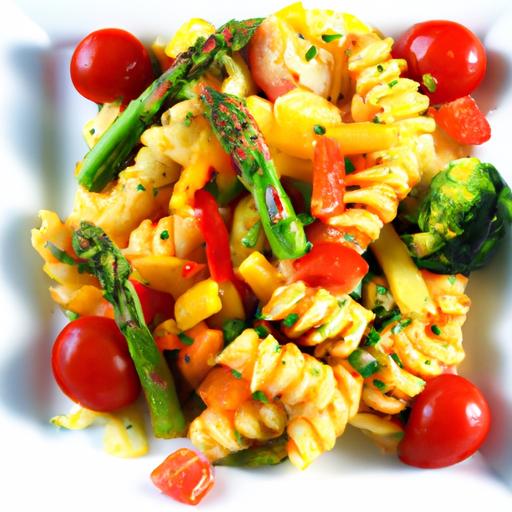

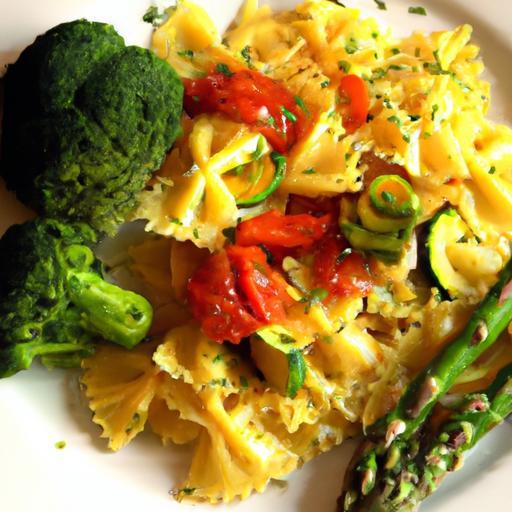
When spring’s vibrant colors start to dance on our plates, few dishes capture the season’s essence quite like Pasta Primavera with Mediterranean veggies. This delightful fusion celebrates fresh, crisp vegetables and al dente pasta, bringing together the bright flavors of sun-ripened tomatoes, tender zucchini, and fragrant basil. It’s a culinary ode to freshness and simplicity-where wholesome ingredients meet effortless elegance, inviting both the heart and palate to savor a truly light and lively meal. Whether enjoyed as a weeknight dinner or a gathering centerpiece, this dish embodies the refreshing spirit of Mediterranean cooking at its best.
Fresh Flavors: Pasta Primavera with mediterranean Veggies begins with the brilliant burst of sun-ripened tomatoes, crisp zucchini, and earthy eggplant that define Mediterranean cooking. Each ingredient shines with natural brightness, harmonizing effortlessly in this vibrant pasta dish that transports you straight to a sun-soaked terrace on the Italian coast. With a careful balance of fresh vegetables, perfectly al dente pasta, and herbaceous finishing touches, this recipe makes the beauty of Mediterranean cuisine approachable for cooks of every skill level.
Prep and Cook Time
- planning: 20 minutes
- Cooking: 25 minutes
- Total: 45 minutes
Yield
- Serves 4 generous portions
Difficulty Level
- Easy to Medium – perfect for a weekday dinner or casual entertaining
ingredients
- 12 oz dried penne or farfalle pasta
- 2 tbsp extra virgin olive oil,divided
- 1 medium zucchini,diced into ½-inch cubes
- 1 small eggplant,peeled and cubed (about 1½ cups)
- 1 cup cherry tomatoes,halved
- 1 red bell pepper,thinly sliced
- 3 cloves garlic,minced
- ½ cup thinly sliced yellow onion
- ¼ cup dry white wine (optional)
- 1 tbsp fresh lemon juice
- ½ cup freshly grated Parmesan or Pecorino Romano cheese
- ¼ cup chopped fresh basil leaves
- 2 tbsp chopped fresh flat-leaf parsley
- 1 tsp dried oregano
- Salt and freshly ground black pepper to taste
- Red pepper flakes (optional,for a gentle kick)
Instructions
- Bring a large pot of salted water to a boil. Add the pasta and cook until al dente, following package instructions but starting to check one minute earlier for perfect bite. Reserve 1 cup of pasta water,then drain the pasta.
- While the pasta cooks, heat 1 tbsp of olive oil in a large skillet over medium heat. Add the diced eggplant and sauté until golden brown and tender, about 7-8 minutes.Stir occasionally to prevent sticking.
- Add the zucchini and cook for another 5 minutes. Season with salt and pepper. the vegetables should still retain some crunch to keep the freshness alive.
- Push the vegetables to one side of the skillet and add the remaining olive oil. Sauté the onions and garlic until fragrant and translucent, about 3 minutes. Stir together with the other vegetables.
- Toss in the red bell pepper slices and cherry tomatoes. Cook for 2-3 minutes until tomatoes begin to soften but not lose their shape.
- Pour in the white wine (if using) and cook off the alcohol for an additional 2 minutes, letting the flavors concentrate. Skip this step for a non-alcoholic version.
- Add the cooked pasta to the skillet. Stir gently to combine, adding reserved pasta water a little at a time to create a silky sauce that coats every piece.
- Remove from heat and stir in lemon juice, Parmesan, basil, parsley, and oregano. Taste and adjust seasoning with salt, pepper, and red pepper flakes if desired.
- Let the pasta sit for a minute to allow the fresh herbs to release their aroma before serving.
Tips for Success: Elevate your Mediterranean Pasta Experience
For the freshest flavors, select vegetables at their peak ripeness. When chopping, aim for uniformity to ensure even cooking and a visually balanced plate. Using a combination of fresh and dried herbs adds depth-fresh basil and parsley for brightness, oregano for earthiness.
If eggplant is too bitter, sprinkle it with salt and let it rest for 15 minutes before rinsing and drying. This removes excess moisture and bitterness. Avoid overcooking your pasta-pasta primavera shines when pasta is al dente and veggies retain bite.
consider adding toasted pine nuts or slivered almonds for subtle crunch and nutty complexity. This dish also reheats beautifully, making it a convenient and flavorsome leftover meal.
Serving Suggestions
Serve this vibrant pasta primavera straight from a wide, shallow bowl to showcase the colorful medley of Mediterranean vegetables. Garnish liberally with extra fresh basil, a drizzle of high-quality olive oil, and a sprinkle of Parmesan shards for visual and textural contrast.
Pair with a crisp white wine such as Vermentino or Sauvignon Blanc to complement the brightness of lemon and herbs. A light green salad with a simple lemon vinaigrette provides a refreshing contrast, rounding out this straightforward yet elegant meal.

Nutrition Facts (Per Serving)
| Calories | Protein | Carbohydrates | fat |
|---|---|---|---|
| 420 kcal | 15 g | 60 g | 12 g |
For more Mediterranean-inspired pasta recipes, check our mediterranean Pasta Collection. To deepen your understanding of Mediterranean diet benefits, visit the Oldways Mediterranean Diet Program.
Q&A
Q&A: Fresh flavors – Pasta Primavera with Mediterranean Veggies
Q: What is Pasta Primavera, and how does it differ from other pasta dishes?
A: Pasta Primavera is a vibrant, vegetable-forward Italian-American dish that celebrates freshness and color.Unlike heavier pasta dishes that rely on rich sauces or meats, Primavera emphasizes crisp, lightly cooked vegetables tossed with pasta, creating a light yet flavorful meal.
Q: why choose Mediterranean veggies for this recipe?
A: mediterranean vegetables-such as zucchini, bell peppers, cherry tomatoes, eggplant, and olives-bring a bounty of textures and flavors.They add a slightly sweet, tangy, and earthy profile that complements the pasta without overpowering it, evoking the sun-soaked charm of the Mediterranean coast.
Q: What makes this Pasta Primavera recipe “fresh”?
A: The freshness comes from using seasonal, high-quality vegetables and cooking them just enough to preserve their natural crunch and vibrant colors. Paired with a drizzle of good olive oil, lemon juice, and fresh herbs, each bite bursts with garden-fresh brightness.
Q: Can Pasta Primavera with Mediterranean veggies be made vegan or gluten-free?
A: Absolutely! Use gluten-free pasta varieties to accommodate gluten sensitivities, and stick to olive oil and plant-based seasonings for a fully vegan dish. This recipe’s simplicity and adaptability make it easy to customize for various dietary needs.
Q: What herbs and spices enhance the dish without overpowering the veggies?
A: Fresh basil, oregano, and parsley are classic Mediterranean herbs that bring aromatic notes without overpowering the natural flavors. A pinch of red pepper flakes or a dash of freshly ground black pepper can add a subtle kick while keeping the dish balanced.
Q: How can one elevate this Pasta Primavera for a special occasion?
A: Consider tossing in toasted pine nuts or a sprinkle of crumbled feta cheese for added texture and richness. A splash of white wine or a finely grated lemon zest can also introduce sophisticated nuances that make the dish feel celebratory yet authentic.
Q: Is pasta Primavera suitable for meal prepping?
A: It is best enjoyed fresh to retain its vibrant texture and flavor, but you can prepare the veggies and cook the pasta ahead of time. Reheat gently and add a fresh drizzle of olive oil and herbs before serving to revive the dish’s brightness.
Q: What wine pairs well with Pasta Primavera featuring Mediterranean veggies?
A: A crisp, light-bodied white wine like Pinot Grigio or Sauvignon Blanc complements the freshness and slight acidity of the vegetables. For those who prefer red, a chilled light red such as a young Chianti can work beautifully without overwhelming the dish.
Q: Can Pasta Primavera be served warm or cold?
A: While traditionally served warm, Pasta Primavera can also be enjoyed as a chilled pasta salad, especially during warmer months.Slightly undercook the pasta and veggies to maintain structure, then toss with dressing and fresh herbs before refrigerating.
Q: What is the key takeaway when preparing this dish?
A: The essence of Pasta Primavera with Mediterranean veggies lies in celebrating fresh, vibrant ingredients with simple preparation that lets their natural flavors shine. It’s a dish that nourishes the body and delights the senses with every colorful, crisp bite.
The Way Forward
As the vibrant colors of the Mediterranean veggies mingle with tender pasta in this Primavera delight, it’s clear that simple ingredients can create something truly exceptional. Whether enjoyed as a light lunch or a satisfying dinner, this dish invites you to savor the fresh flavors of the season with every bite. So next time you crave a taste that’s both wholesome and refreshing, let pasta primavera remind you how beautifully the garden can come to life on your plate.