
There’s something undeniably comforting about the aroma of freshly baked bread filling the kitchen-a timeless ritual that connects us to tradition and home. Enter rustic potato rosemary bread, a hearty twist on the classic loaf that combines the earthy warmth of potatoes with the fragrant notes of rosemary. This unique blend not only adds depth of flavor but also lends a tender crumb and a satisfying heartiness, making it a perfect companion for everything from simple soups to elegant dinners. In this article, we’ll explore the origins, qualities, and baking tips for this delightful bread that brings a new dimension to a beloved staple.
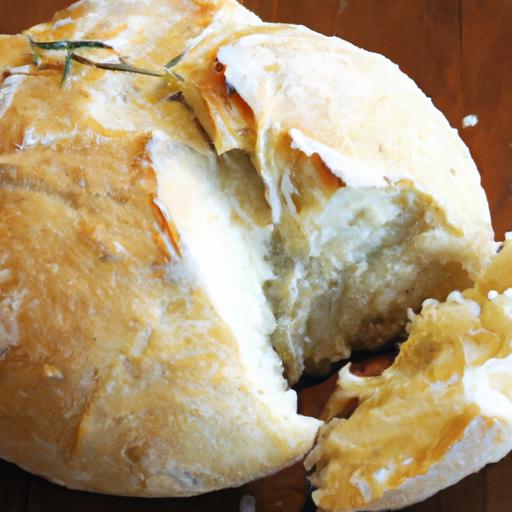
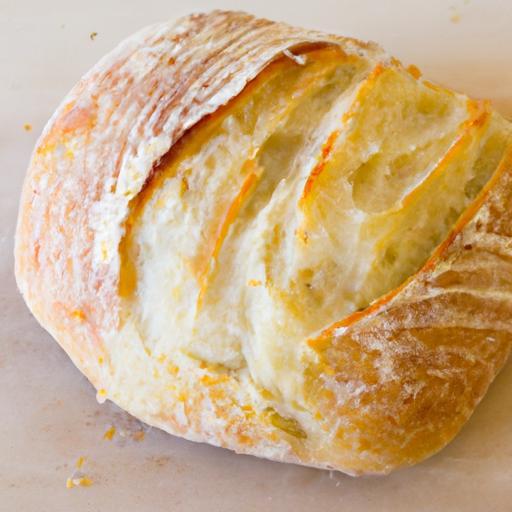
Rustic Potato Rosemary Bread tempts with its hearty texture and aromatic depth, transforming a conventional loaf into a comforting artisanal masterpiece. Rooted in the rustic baking traditions of rural Europe, this bread pairs the subtle earthiness of mashed potatoes with the fragrant pine notes of rosemary. Each bite promises a tender crumb enveloped in a perfectly crisp crust, offering a sensory experience that evokes cozy kitchens and simple, soulful meals. Whether you’re an avid baker or an adventurous home cook, this recipe elevates everyday bread-making into something truly special.
Prep and Cook Time
- Readiness: 25 minutes
- Rising: 1 hour 30 minutes
- Baking: 30-35 minutes
- Total Time: Approximately 2 hours 30 minutes
Yield
One medium-sized loaf, serving 8 slices.
Difficulty Level
Medium – perfect for bakers ready to explore unique dough enrichment and flavor pairing techniques.
Ingredients
- 2 medium russet potatoes (about 1 1/2 cups mashed, cooled)
- 3 1/2 cups all-purpose flour, sifted
- 1 packet (2 1/4 tsp) active dry yeast
- 1 1/4 cups warm water (110-115°F)
- 2 tbsp fresh rosemary, finely chopped
- 1 tbsp olive oil, plus extra for brushing
- 1 1/2 tsp salt
- 1 tsp sugar
Instructions
- Prepare the potatoes: Boil peeled russet potatoes until fork-tender, about 15 minutes. drain and mash until smooth. Allow to cool fully to avoid affecting yeast activation.
- Activate yeast: In a small bowl, combine warm water and sugar. Sprinkle yeast over the surface, stirring gently. Let it sit for 5-10 minutes until foamy.
- Mix dough: In a large bowl, combine sifted flour, salt, and chopped rosemary. add the mashed potatoes and olive oil.Pour in the activated yeast mixture. Stir with a wooden spoon until a shaggy dough forms.
- Knead: Turn dough onto a lightly floured surface. Knead for 8-10 minutes until smooth and elastic. If dough feels to sticky, add flour sparingly in small increments, ensuring the bread remains tender.
- First rise: Lightly oil a clean bowl and place the dough inside, turning once to coat. cover with a damp kitchen towel or plastic wrap. Let rise in a warm, draft-free place until doubled in size, about 1 hour 30 minutes.
- Shape the loaf: Gently deflate the dough. Shape into a round boule or oblong loaf, placing it on a parchment-lined baking tray. Cover loosely with a towel and allow to rest for 30 minutes for the final rise.
- Preheat the oven: Heat oven to 425°F (220°C). Place a shallow tray with hot water on the oven floor to create steam, essential for a crispy crust.
- Score and bake: Using a sharp knife or lame, score the top of the loaf with a few slashes to control expansion.Brush the surface lightly with olive oil. Bake for 30-35 minutes until golden brown and crusty.
- Cool: Transfer bread to a wire rack. cool completely before slicing to preserve structure and flavor integrity.
Expert Tips for Serving and Pairing Rustic Potato Rosemary Bread
Enjoy this rustic potato rosemary bread slightly warm with a dab of whipped butter or a drizzle of high-quality extra virgin olive oil. Its tender crumb and herby aroma shine when paired with robust cheeses like aged gouda or sharp cheddar. For a complete meal, serve alongside hearty stews, roasted vegetables, or even a simple bowl of tomato soup. Garnish plates with a sprig of fresh rosemary to echo the bread’s fragrant herbaceous notes and add visual appeal. Leftover slices make fantastic croutons or paninis, ensuring no crumb goes to waste.
Chef’s Notes and Tips for Success
- potato choice matters: Russet potatoes lend a fluffy texture; avoid waxy varieties which may create a dense crumb.
- Fresh rosemary: Use fresh herbs over dried for vibrant flavor. lightly bruising the rosemary before adding releases essential oils.
- steam trick: Don’t skip the water tray in the oven; steam is crucial for developing a crisp, crackly crust.
- Make ahead: Prepare dough the night before and let it rise slowly in the fridge overnight for enhanced flavor complexity.
- gluten alternatives: While all-purpose flour works best, blend with bread flour for extra chewiness.
Nutritional Details
| Nutrient | Amount per Slice (1/8 loaf) |
|---|---|
| Calories | 160 kcal |
| Protein | 5 g |
| Carbohydrates | 30 g |
| Fat | 2 g |
explore More Artisan Bread Recipes to hone your baking skills and expand your flavor palette. For an authoritative deep dive into the science of bread baking, visit the King arthur Baking science blog.

Q&A
Q&A: Rustic Potato Rosemary Bread – A Hearty Twist on Tradition
Q1: What is Rustic Potato Rosemary Bread?
A1: Rustic Potato Rosemary Bread is a hearty,aromatic loaf that blends the comforting earthiness of potatoes with the fragrant pine-like notes of fresh rosemary. This bread transforms traditional rustic loaves by incorporating mashed potatoes into the dough, resulting in a tender crumb and crusty exterior.Q2: How does adding potatoes affect the texture and flavor of the bread?
A2: Potatoes introduce moisture and natural starches that make the bread softer,more tender,and slightly denser then standard rustic bread. They add subtle sweetness and a delicate, creamy richness, while also extending the bread’s freshness.
Q3: Why is rosemary chosen as the herb to pair with the potato?
A3: Rosemary’s robust,aromatic flavor complements the mild,buttery notes of potato perfectly. Its piney, slightly peppery essence adds a savory depth to the bread, evoking rustic countryside flavors that harmonize with the wholesome character of the loaf.
Q4: Is this bread versatile in how it can be enjoyed?
A4: Absolutely. The hearty nature of Rustic Potato Rosemary Bread makes it perfect for a variety of uses-slathered with butter and honey, served alongside stews and soups, or used as a base for rustic sandwiches. Its savory notes also pair beautifully with cheeses and olives for a simple snack or appetizer.
Q5: Can this bread be made without fresh rosemary?
A5: While fresh rosemary offers the best aroma and flavor, dried rosemary can be used as a substitute. To preserve its fragrance, crush the dried rosemary lightly before adding it to the dough. Alternatively, other herbs like thyme or sage can provide interesting twists.
Q6: what baking techniques help achieve the characteristic crusty exterior?
A6: To develop a crisp crust, bakers frequently enough use steam during the initial baking phase, either by introducing water into the oven or placing a tray of water beneath the loaf. High baking temperatures and a preheated baking stone or Dutch oven also encourage a golden, crackly crust.
Q7: How long does Rustic Potato Rosemary Bread stay fresh?
A7: Thanks to the moisture retained by the potatoes,this bread tends to remain soft and fresh for up to 3-4 days when stored properly in a paper bag or bread box. For longer storage, freezing sliced portions is recommended.
Q8: Is this bread suitable for beginners?
A8: Yes. Although incorporating potatoes requires an extra step, the overall method remains straightforward. With some patience during rising and shaping, even novice bakers can enjoy the rewarding process and tasty results of making Rustic Potato Rosemary Bread.
Closing Remarks
As the warm aroma of rosemary and fresh-baked bread fills your kitchen, this rustic potato rosemary loaf invites you to savor a comforting twist on a timeless classic. Whether shared at a family meal or enjoyed quietly with a pat of butter, its hearty texture and subtle flavors remind us that sometimes, tradition flourishes most beautifully when given a little room to grow. Embrace the simple pleasures of this rustic bread, and let each slice tell a story of home, warmth, and wholesome goodness.