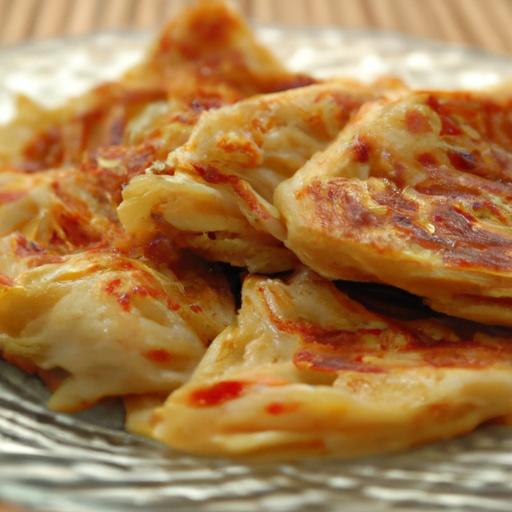

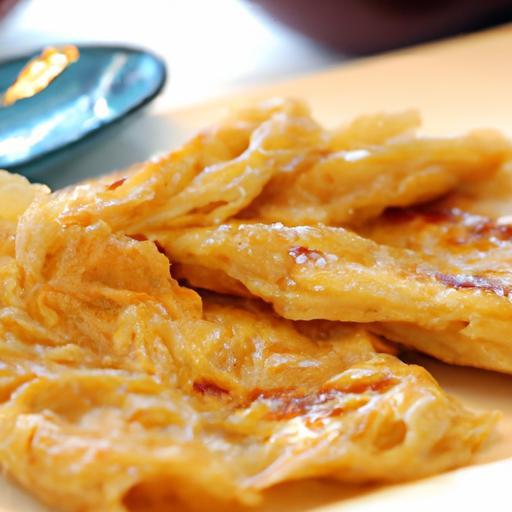
In the bustling streets of Malaysia, amid the vibrant aromas and lively chatter, one humble yet captivating delicacy commands the attention of locals and travelers alike: roti canai. this flaky, golden flatbread-crispy on the outside, tender within-has transcended its simple origins too become a beloved staple that reflects the rich cultural tapestry of the region. Weather enjoyed plain, dipped in fragrant curry, or paired with a variety of savory accompaniments, roti canai offers a sensory journey into Malaysia’s street food scene, inviting all who taste it to savor a piece of its storied heritage.
Roti Canai is the quintessential Malaysian street food that captivates with its irresistibly flaky layers and golden, buttery crispness that melts in your mouth. Believed to have originated from indian Muslim immigrants in Malaysia,this flatbread has sence transcended cultural boundaries to become a beloved national staple,celebrated in hawker stalls and fine dining alike. Its harmonious marriage of simple ingredients and meticulous technique embodies the rich cultural melting pot of Malaysia, where traditions come alive in every fold of dough.
Prep and Cook Time
- Readiness: 30 minutes (plus resting time)
- Cooking: 15 minutes
- Total Time: 45 minutes (excluding dough resting)
Yield
Serves 4-6 people (makes 6-8 pieces)
Difficulty Level
Medium - requires patience for layering and technique to achieve perfect flakiness
Ingredients
- 2 cups all-purpose flour, sifted
- 1 tsp salt
- 1 tbsp sugar
- 1 large egg
- ¾ cup warm water (adjust as needed)
- 3 tbsp sweetened condensed milk
- 4 tbsp melted ghee or vegetable oil, plus extra for layering and frying
Instructions
- combine Dry Ingredients: In a large bowl, whisk together the sifted flour, salt, and sugar until evenly mixed.
- Add Wet Ingredients: Beat the egg lightly, then mix it into the dry ingredients with the warm water and sweetened condensed milk. Stir to form a sticky dough.
- Knead the Dough: Transfer the dough to a floured surface and knead for about 10 minutes until it’s soft, pliable, and slightly elastic.
- Rest the Dough: Divide dough into 6-8 equal balls. Coat each ball lightly with melted ghee or oil, cover with a damp cloth or plastic wrap, and let rest for at least 2 hours (or overnight in the fridge) to relax gluten and improve stretchiness.
- Stretching the Dough: On a greased surface, flatten one dough ball with your hands, then gently stretch and elongate it using a pulling motion until it becomes almost paper-thin, translucent, and nearly see-through, about 12-15 inches wide.
- Create Layers: Fold the thin dough sheet into pleats or coil it into a tight spiral, tucking the end underneath. This technique traps air and forms the characteristic flaky layers during cooking.
- Rest Again: Let the coiled dough rest for 15 minutes before cooking to retain elasticity.
- Cook the Roti Canai: Heat a non-stick pan over medium heat and add a tablespoon of ghee or oil. Flatten the coiled dough gently into a disc of about 6 inches. Place it on the pan and fry for 2-3 minutes until golden and crisp on the bottom.
- Flip and Fry: Turn and cook the other side until it matches the golden hue, pressing lightly around edges to ensure even cooking and create delicate layers.
- Serve Hot: Remove and let rest briefly on a wire rack to keep crispness. Repeat with remaining dough balls.
Chef’s Notes
- Technique Tip: The secret to flaky roti canai lies in the dough’s resting time and the stretching technique-don’t rush the process!
- Substitutions: For a richer flavor, use ghee rather than vegetable oil. Coconut milk can replace water plus condensed milk for a subtle tropical note.
- Make-Ahead: Dough can be prepared and refrigerated overnight, but allow it to come to room temperature before stretching to prevent tearing.
- Troubleshooting: If the dough tears easily, it needs more resting. For less oily roti, use less ghee during frying but expect slight compromise on flakiness.
serving Suggestions
Traditionally served alongside dal curry, chicken rendang, or dhal sambal, roti canai is a versatile canvas for bold flavors. garnish with freshly chopped coriander or a drizzle of coconut milk for an extra indulgent touch. For a sweeter variation, serve with condensed milk or crushed sugar sprinkled on top for the perfect balance of texture and taste.

Where to Find the Most Authentic Roti Canai in Malaysia
If craving authentic roti canai, head to bustling street stalls and kopitiams in Kuala Lumpur’s Jalan Alor, Penang’s George Town, or Ipoh’s Jalan Theater. These culinary hotspots serve the freshest roti with curries made from family recipes passed down through generations. For travelers, a visit to the Malaysia Tourism website offers up-to-date guides for the best street food trails.
Nutrition facts per serving (approximate)
| Nutrient | Amount |
|---|---|
| Calories | 250 kcal |
| Protein | 5 g |
| Carbohydrates | 32 g |
| Fat | 10 g |
For more Malaysian favorites, be sure to explore our Malaysian Cuisine Guide to dive deeper into the diverse flavors of this vibrant food culture.
Q&A
Q&A: Roti Canai – The Flaky Delight from Malaysia’s Streets
Q: What exactly is Roti Canai?
A: Roti Canai is a beloved Malaysian flatbread known for its crispy, flaky layers and soft interior. Often enjoyed as a street food staple, it is traditionally made from a simple dough of flour, water, eggs, and ghee or oil, skillfully stretched and folded to create its signature texture before being cooked on a hot griddle.
Q: Where did Roti Canai originate?
A: While Roti Canai is deeply associated with malaysia, its roots trace back to Indian culinary influence, particularly from South Indian paratha. The dish evolved locally, adapting to Malaysian tastes and ingredients, eventually becoming a distinctive part of the country’s vibrant street food culture.
Q: What makes Roti Canai stand out from other flatbreads?
A: The magic lies in its preparation – the dough is repeatedly stretched and folded to create multiple thin layers. When fried on a griddle with generous amounts of ghee or oil, these layers puff up and crisp into a delicate, flaky texture that sets Roti canai apart from simpler flatbreads.
Q: How is Roti Canai traditionally served?
A: Traditionally, Roti Canai is served hot and accompanied by dhal (lentil curry), chicken or fish curry, or even sugar for a sweet contrast. It is eaten by tearing pieces by hand and dipping them into richly spiced sauces, making each bite a harmonious blend of textures and flavors.
Q: Are there variations of Roti Canai available?
A: Absolutely! Roti Canai has evolved with creative twists. Variations include Roti Telur (with egg),Roti Planta (with margarine),Roti Boom (thicker and fluffier),and even stuffed versions filled with ingredients like banana,onions,or cheese. Each variation adds a unique dimension while honoring the original’s flaky essence.
Q: Why is Roti Canai so popular in Malaysia?
A: Roti Canai’s popularity stems from its comforting, versatile nature and deep cultural significance. It’s affordable, widely available at roadside stalls, and adaptable for any time of day – from breakfast to late-night cravings. Its combination of crunch, softness, and savory goodness resonates with locals and visitors alike.
Q: Can Roti Canai be made at home?
A: Yes, although achieving the perfect flaky layers takes practice and patience. home cooks need to master the art of dough stretching and folding,along with controlling the griddle’s heat to crisp the bread evenly. DIY Roti Canai can be a rewarding culinary adventure for enthusiasts eager to bring Malaysia’s street flavors to their kitchen.
Q: What cultural significance does Roti Canai hold?
A: Beyond being a appetizing food item, Roti Canai represents Malaysia’s multicultural tapestry. It embodies the fusion of Indian,Malay,and even Middle Eastern influences,symbolizing harmony and shared traditions through gastronomy. Eating roti Canai is not just a meal – it’s a taste of Malaysia’s rich history and diversity.
Q: Where can one best experience authentic Roti Canai?
A: The best place to savor authentic Roti Canai is at bustling Malaysian street stalls and kopitiams (traditional coffee shops), especially in cities like Kuala Lumpur, Penang, and Ipoh. These venues offer a sensory feast – sizzling sounds from the hot griddle, the aroma of frying dough, and the lively atmosphere of local patrons enjoying this flaky delight.
Future Outlook
From the bustling corners of Kuala Lumpur to the quiet breakfast stalls in small towns,roti canai remains a cherished symbol of Malaysia’s rich culinary tapestry. Its flaky layers tell a story of tradition, skill, and cultural fusion-inviting each bite to be savored slowly and shared freely. Whether enjoyed plain, dipped in dhal, or paired with spicy curries, roti canai continues to delight locals and travelers alike, reminding us that sometimes, the simplest street food carries the deepest flavors and the fondest memories.