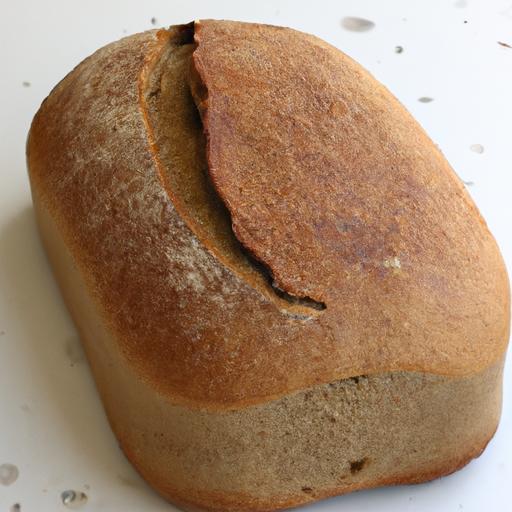

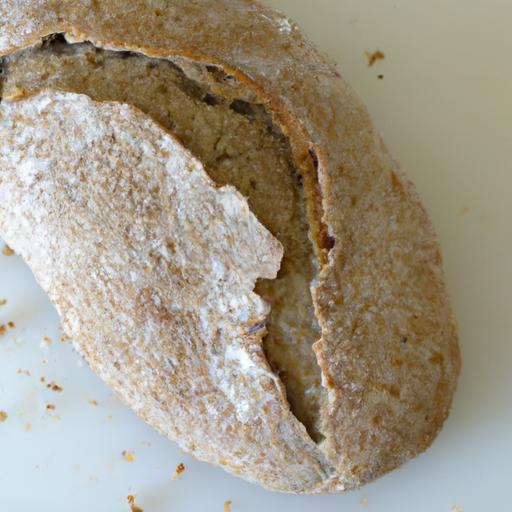
In a world that frequently enough hurries toward the new and the next,the humble art of baking a rustic sourdough rye bread invites us too slow down and savor tradition. This timeless recipe, steeped in history and rich in character, transforms simple ingredients into a crusty loaf bursting with deep, earthy flavors. Whether shared around a lively kitchen table or enjoyed in quiet solitude, homemade sourdough rye connects us to centuries of craftsmanship and the enduring joy of baking by hand. Join us as we explore the elements that make this bread a beloved staple and guide you through creating your own slice of artisanal heritage.
Rustic sourdough rye bread captures the essence of authentic European baking, where tradition and patience meld to create a loaf bursting with complex, tangy character and a dense yet tender crumb. This beloved bread reflects centuries of artisanal craft, with a deeply nourishing rye sourdough starter as its heart and soul. Drawing from my years of experience as a Culinary Content Creator and Food Stylist, I invite you to dive into the artful process of developing a vibrant starter, mastering your dough’s texture, and baking a crusty, chewy loaf that celebrates heritage and flavor in every bite.
Prep and Cook Time
- Starter Readiness: 5-7 days (active fermentation & feedings)
- Final Dough & Rise: 12-16 hours (overnight slow fermentation)
- Baking: 40-50 minutes
- Total Time: Approximately 7 days including starter progress
Yield
One 1.5 lb (700 g) rustic rye sourdough loaf, perfect for 8 generous servings.
Difficulty Level
Medium: Ideal for bakers with some experience in sourdough and fermentations eager to deepen their artisanal skills.
ingredients
- For the Rye Sourdough Starter:
- ½ cup whole rye flour, fresh and organic if possible
- ½ cup filtered water, lukewarm (75-80°F / 24-27°C)
- For the Bread Dough:
- 1 cup active rye sourdough starter (prepared as below)
- 2 cups medium rye flour
- 1 cup bread flour (high protein for gluten structure)
- 1 ¼ cups filtered water, lukewarm
- 2 tsp fine sea salt
- Optional: 1 tbsp caraway seeds for an aromatic, traditional note
Instructions
- Crafting the Rye Sourdough Starter: In a clean glass jar, mix ½ cup rye flour with ½ cup lukewarm water. Stir vigorously until smooth. Cover loosely with a breathable cloth and let it rest at room temperature (around 70°F) away from direct sunlight.
- feed Your Starter Daily: Discard half the starter each morning, then add ½ cup rye flour and ½ cup water. Stir to incorporate, cover, and repeat for 5-7 days.The starter becomes bubbly and tangy, showing active fermentation-this signals readiness for baking.
- Mix the bread Dough: In a large bowl, combine 1 cup rye starter, 2 cups rye flour, 1 cup bread flour, and 1 ¼ cups lukewarm water. Stir with a wooden spoon until incorporated-expect a sticky, dense dough typical of rye breads.
- Add Salt and Optional Caraway Seeds: Sprinkle 2 tsp salt evenly and fold in 1 tbsp caraway seeds if using, folding gently to avoid overworking the gluten.
- Bulk Fermentation: Cover the bowl with a damp towel or plastic wrap and allow the dough to ferment at room temperature for 12-16 hours. You’ll notice slight expansion and pronounced sour aroma.
- Shape the Loaf: Turn the dough out onto a well-floured surface. Gently shape into a tight round boule, recognizing the dough’s sticky texture. Transfer to a banneton basket dusted with rye flour to prevent sticking.
- Final Proof: Cover and rest the dough for 2-3 hours at room temperature,or overnight in the refrigerator for enhanced flavor and ease of scoring.
- Preheat the Oven: 45 minutes before baking, preheat your oven to 475°F (245°C). Place a Dutch oven or baking stone inside to heat thoroughly.
- Score and Bake: Transfer the loaf onto parchment paper. Score the top with a serrated blade or sharp knife to guide expansion. Carefully place the dough and paper into the preheated Dutch oven, cover with the lid, and bake for 30 minutes.
- Finish Baking: Remove the lid to expose the crust and bake for an additional 10-15 minutes. The crust should turn deep golden brown and crackly.
- Cool Completely: Remove loaf from the oven and cool on a wire rack for at least two hours to set the crumb and enhance flavor.
Tips for Success
- Use filtered or bottled water free from chlorination to encourage wild yeast activity in your starter.
- Maintain consistent room temperature around 70°F for optimal fermentation speed and flavor development.
- Patience is key-never rush the starter or dough fermentation. The sour complexity depends on gradual acidification.
- If your starter shows a layer of liquid (“hooch”), stir it back in or pour off if very dark – it simply signals hunger for feeding.
- Experiment with adding fermented rye berries or toasted malt powder for subtle textural and flavor nuances.
- For storage, keep your sourdough starter in the fridge if baking weekly; feed weekly to maintain vitality.
Serving Suggestions
- Slice thick and serve toasted with creamy butter and a drizzle of local honey for breakfast.
- Pair with robust cheeses like aged Gouda or tangy goat cheese to balance the hearty rye flavor.
- Enhance sandwiches with smoked meats, mustard, and pickled vegetables for rustic lunch fare.
- Garnish with a dusting of rye flour or a sprinkle of caraway seeds before baking for an inviting artisanal look.
| Nutrient | Per Slice (Approx. 50g) |
|---|---|
| Calories | 130 kcal |
| Protein | 4 g |
| Carbohydrates | 27 g |
| Fat | 0.8 g |

For more inspiring bread baking adventures, check out our Classic Basic Sourdough Bread Recipe. To deepen your understanding of sourdough microflora,visit this extensive study on the microbiology of rye sourdoughs.
Q&A
Q&A: Rustic Sourdough Rye Bread – A Timeless Homemade Recipe
Q: What makes rustic sourdough rye bread different from other breads?
A: Rustic sourdough rye bread stands out for its hearty flavor, dense texture, and natural fermentation. Unlike typical wheat breads, rye introduces a deep, earthy note, while the sourdough starter lends complexity and a pleasantly tangy finish. The rustic style emphasizes a rough, artisanal appearance and a chewy crumb, making it both visually striking and satisfying to eat.
Q: Why use sourdough starter instead of commercial yeast?
A: Sourdough starter is a living culture of wild yeasts and lactobacilli, which ferment the dough naturally over time. This slow fermentation imbues the bread with a richer taste, better digestibility, and a longer shelf life. It also creates a gentle tang that pairs wonderfully with rye’s robust character, something commercial yeast can’t quite replicate.
Q: Is rye flour harder to work with than wheat flour?
A: Rye flour behaves differently as it contains less gluten-forming protein than wheat. This means the dough is frequently enough stickier and less elastic,requiring a gentler hand during mixing and shaping. However, these unique qualities result in a denser crumb and moist texture, which are signature traits of classic rye bread.
Q: How long does it take to bake rustic sourdough rye bread from start to finish?
A: Patience is key. From feeding your sourdough starter to the final bake, the process typically spans 24 to 48 hours. This includes preparing the starter, mixing and fermenting the dough, shaping, proofing, and baking. The slow timeline allows flavors to develop fully, creating that beloved rustic depth.
Q: Can beginners try baking this bread at home?
A: Absolutely. While sourdough rye bread requires some practice to perfect,beginner bakers can achieve great results by following step-by-step instructions and understanding their starter’s rhythm. Starting with small batches and allowing ample rising time will build confidence and familiarity with the dough.
Q: What are some ideal pairings for rustic sourdough rye bread?
A: the robust flavors of this bread complement savory and simple toppings alike. Think creamy butter, sharp cheeses, smoked fish, or hearty stews. It also pairs beautifully with sweet accompaniments such as honey or fruit preserves, enhancing the subtle sour notes.
Q: How should leftover rye bread be stored?
A: Store your rustic sourdough rye bread wrapped loosely in a clean tea towel or paper bag at room temperature to maintain its crust and moisture. For longer storage, slices can be frozen and toasted directly from the freezer without losing their characteristic texture and flavor.
Q: What is the cultural meaning of rye bread in baking traditions?
A: rye bread has roots stretching across Northern and Eastern Europe, where it has been a staple for centuries. Its resilience and hearty makeup suited cold climates and agrarian societies. Rustic sourdough rye is more than just nourishment; it’s a connection to heritage,embodying time-honored techniques passed down through generations.
Q: How can one enhance the rustic appearance of the loaf?
A: To achieve that classic rustic look, use simple tools like a banneton (proofing basket) for shaping, dust the dough liberally with flour before baking, and score the surface with a sharp blade to encourage controlled expansion.Baking on a hot stone or Dutch oven helps develop a thick, crackly crust that invites admiration and appetite alike.
Q: What’s the best way to refresh a sourdough starter before baking?
A: Feeding your starter with a ratio of fresh rye or wheat flour and water about 4 to 6 hours before mixing dough ensures it’s active and bubbly.The starter should double in size and present a pleasantly tangy aroma, indicating it’s ready to give your rustic rye bread its signature lift and flavor.
Final Thoughts
As the aroma of your freshly baked rustic sourdough rye bread fills the kitchen, your reminded that some traditions never fade-they simply rise again with each loaf.This timeless recipe invites both patience and passion, rewarding you with a bread that carries the warmth of home and the depth of history.Whether shared with loved ones or savored in quiet moments, your homemade rye bread stands as a delicious testament to the art of baking, connecting past and present one crusty slice at a time.