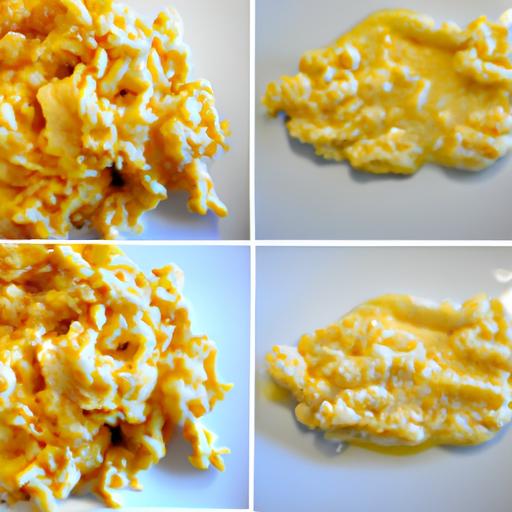

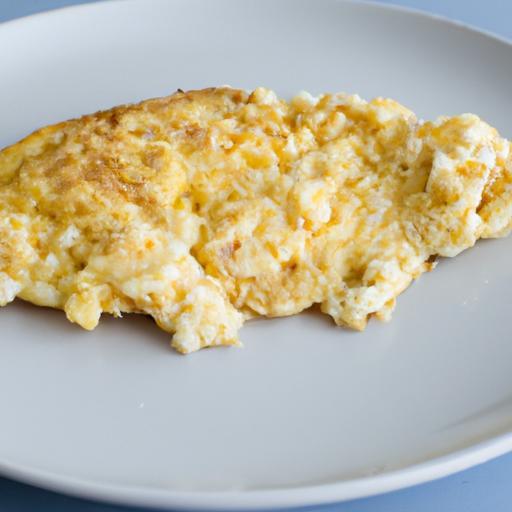
There’s something deceptively simple about scrambled eggs. Yet, achieving that ideal balance-soft, fluffy, and cooked to perfection-can be surprisingly elusive. Whether for a lazy weekend brunch or a quick weekday breakfast, mastering the art of scrambled eggs transforms an everyday dish into a delightful experience. In this article, we’ll explore the subtle techniques and thoughtful tips that elevate scrambled eggs from ordinary to remarkable, unlocking the secrets behind their creamy texture and vibrant flavor.
Mastering the art of fluffy, perfectly cooked scrambled eggs begins with selecting the freshest ingredients and understanding the subtle culinary techniques that transform simple eggs into a creamy, cloud-like delight. Whether you’re savoring a leisurely brunch or crafting an elegant breakfast, these tips and tricks bring restaurant-quality results right to your kitchen.
Prep and Cook Time
- Readiness: 5 minutes
- Cooking: 7 minutes
- Total Time: 12 minutes
Yield
- Serves 2 generously
Difficulty Level
- Easy
Ingredients
- 4 large pasture-raised eggs, at room temperature
- 3 tablespoons whole milk or heavy cream (optional for extra creaminess)
- 2 tablespoons unsalted butter, cut into small cubes
- Salt (preferably kosher or sea salt), to taste
- Freshly ground black pepper, to taste
- 1 teaspoon fresh chives, finely chopped (optional)
Instructions
- Beat the Eggs: In a medium bowl, whisk the eggs briskly with the milk or cream until the mixture is uniform and slightly frothy. This incorporates air, key to achieving the fluffy texture.
- Heat the Pan: Place a non-stick skillet over low heat and add the butter. Allow the butter to melt fully but not brown-this low temperature ensures gentle cooking.
- Begin Cooking: Pour the egg mixture into the warm skillet.Using a silicone spatula,let the eggs sit undisturbed for 15-20 seconds until they just start to set around the edges.
- gently Fold: Slowly scrape the eggs from the edges towards the center in soft folds,moving continuously but without rushing. The goal is to form large, creamy curds.
- Control the Heat: Maintain low heat throughout. If the eggs begin to cook too quickly, remove the skillet from the burner momentarily to cool slightly, then return to the heat. This prevents overcooking and retains moisture.
- Finish Cooking: Cook until the eggs are set but still slightly runny in places-carryover cooking will finish them off once plated.
- Season and Garnish: Remove from heat, season with salt and pepper, and sprinkle with fresh chives for a burst of freshness.
- serve Promptly: Transfer scrambled eggs to warm plates to enjoy their creamy softness at its best.
Tips for Success
- Egg Selection: use the freshest eggs possible, preferably from pasture-raised or organic sources, as they tend to have richer yolks and better texture.
- Room Temperature Eggs: Let eggs come to room temperature before whisking – this helps them cook evenly and fluff up beautifully.
- Milk vs. Cream: Adding cream makes eggs silkier, while milk lightens the texture. Use according to your preference.
- Low & Slow Cooking: Patience is essential. Gentle heat prevents toughness and dryness, creating that dreamy, creamy consistency.
- Butter Choice: Unsalted butter lets you control salt perfectly and adds a subtle nutty flavor. Clarified butter can also be used for higher heat tolerance.
- Make-Ahead: Scrambled eggs are best served immediately; however, if needed, gently reheat over very low heat, stirring constantly to avoid rubberiness.
- Kitchen Tools: A non-stick pan and flexible silicone spatula are essential for gentle handling and even cooking.
Serving suggestions
Present your fluffy scrambled eggs atop toasted sourdough or a warm croissant for a rustic yet elegant breakfast. Garnish with a sprinkle of finely chopped fresh herbs like chives, parsley, or dill to introduce an herbal brightness. A side of grilled tomatoes or sautéed mushrooms adds earthiness and depth, while a drizzle of truffle oil or a scattering of crumbled feta can elevate the dish into a gourmet experience.
If you crave contrast, fresh avocado slices or a dollop of crème fraîche will add creamy richness without overshadowing the delicate eggs. Serve alongside freshly brewed coffee or a sparkling mimosa for the perfect brunch complement.

| nutrient | Per Serving (2 eggs) |
|---|---|
| Calories | 220 kcal |
| Protein | 14 g |
| Carbohydrates | 2 g |
| Fat | 17 g |
For more breakfast inspiration, check out our Ultimate Brunch Guide.curious about egg nutrition and benefits? Visit the Amazing Egg Nutrition Center for expert insights.
Q&A
Q&A: Mastering the Art of Fluffy,Perfectly Cooked Scrambled Eggs
Q1: What’s the secret to making scrambled eggs fluffy rather than rubbery?
A1: The key lies in gentle heat and slow cooking. Cooking eggs over low to medium-low heat allows the proteins to set gradually, producing a soft, tender texture. Stirring constantly but gently also helps create those delicate curds without making the eggs tough or dry.
Q2: Should I add milk, cream, or water to the eggs before cooking?
A2: This depends on your personal taste and desired texture. A splash of milk or cream can add richness and a slightly creamier finish, while water helps create steam that can make the eggs fluffier. Though, adding too much liquid can dilute flavor or make eggs watery, so use sparingly.
Q3: How vital is the pan and cooking fat choice for perfect scrambled eggs?
A3: Very critically important! A non-stick skillet is ideal for easy cooking and cleanup. For fat,butter is the classic choice,adding flavor and encouraging even cooking. Some chefs prefer olive oil or a mix of butter and oil for higher heat tolerance,but keep the fat gently melted and warm rather than hot or sizzling.
Q4: When is the best time to season the eggs?
A4: It’s best to season scrambled eggs lightly with salt just before or during cooking. Adding salt too early (when eggs are raw) can break down the proteins excessively, leading to a watery texture. Pepper and fresh herbs,however,can be added at the end for a burst of flavor.
Q5: How do I know when my scrambled eggs are perfectly cooked?
A5: Perfect scrambled eggs are softly set but still moist and slightly glossy. They shouldn’t look runny or overly dry. Remove them from heat just before they reach your desired consistency as they’ll continue cooking from residual heat once off the pan.
Q6: Can I customize scrambled eggs with extras without compromising fluffiness?
A6: Absolutely! Adding cheese, chopped vegetables, or herbs can enhance flavor and texture. Just make sure ingredients are fresh and pre-cooked if needed (like onions or peppers). Fold them in gently toward the end of cooking to preserve the fluffy structure.
Q7: What common mistakes should be avoided when scrambling eggs?
A7: The biggest pitfalls include cooking eggs on too high heat, over-stirring aggressively, and rushing the process. High heat causes toughness and browning, while excessive stirring breaks down curds. Also, avoid overcooking since eggs can quickly turn dry and crumbly.
Mastering fluffy scrambled eggs is part science, part art. With attention to temperature, timing, and technique, even novice cooks can achieve that perfect, melt-in-your-mouth texture every time. Happy scrambling!
The Conclusion
Whether you’re a kitchen novice or a seasoned cook, mastering the art of fluffy, perfectly cooked scrambled eggs is a rewarding skill that elevates any meal. With patience, the right technique, and a bit of practice, you can transform simple eggs into a light, creamy masterpiece every time. So next time you crack a few eggs into your pan, remember these tips and savor the delicate, comforting texture that only perfectly scrambled eggs can offer. Your breakfast-and your taste buds-will thank you.