
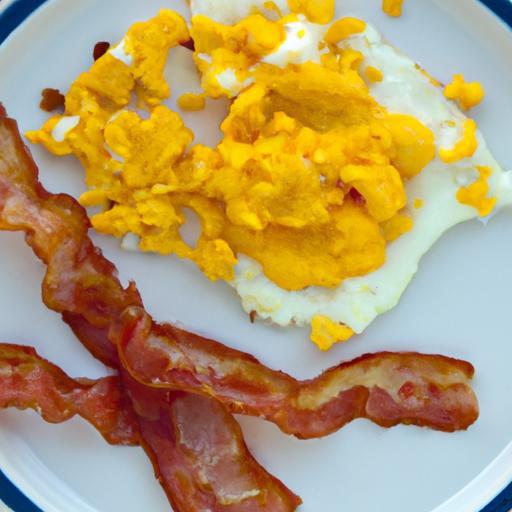
There’s a quiet kind of magic that happens in teh early morning kitchen-a humble symphony of sizzling pans, gentle whisking, and the promise of a fresh start. Among breakfast’s manny offerings, scrambled eggs stand out as both comfort food and a canvas for culinary creativity. Mastering the art of crafting the perfect scrambled eggs goes beyond simply cooking; its about embracing technique,timing,and a little patience to transform simple ingredients into a soft,creamy delight. In this article, we’ll explore how to unlock that morning magic and elevate your scrambled eggs from everyday fare to breakfast brilliance.
Mastering Morning Magic: Crafting the Perfect Scrambled Eggs begins with making thoughtful choices about your eggs and understanding their change through preparation. Not all eggs are created equal; freshness and size affect fluffiness and texture. Opt for farm-fresh or organic eggs with vibrant yolks-these bring a naturally rich flavor and velvety color that elevate your scramble into a true morning masterpiece.
Understanding Egg Selection and Preparation for Fluffy Scrambles
Choosing the right eggs is the first step to fluffy scrambled eggs. Large eggs work best to provide sufficient volume,while fresher eggs trap air more effectively during whisking,contributing to clouds of tender curds. Before cracking, bring eggs to room temperature-this helps in even cooking and prevents rubbery textures.
Whisk the eggs vigorously using a fork or a balloon whisk until the color brightens and the mixture is slightly frothy. Incorporate a splash of whole milk or cream (about 1 tablespoon per 2 eggs) to loosen the mixture and enrich the final texture. Some chefs swear by a pinch of baking powder or a drizzle of melted butter folded in for extra lift and silkiness.
The Science Behind Heat Control and Timing in Cooking
Heat is the canvas on which your scrambled eggs take shape. Cooking over low to medium-low heat ensures gentle coagulation of proteins, which is essential for that custardy, creamy texture. Avoid the temptation to crank the burner; high heat produces dry, rubbery eggs and forces you to rush through the process.
Patience pays off: stir slowly but consistently with a silicone spatula, scraping along the pan’s edges as curds form. Turn off the heat just before the eggs appear fully set-thay’ll continue to cook with residual warmth, preserving that delicate softness and preventing overcooking.
Enhancing Flavor with Seasonings and Mix-ins
Season your scramble with fine sea salt and freshly cracked black pepper just before serving to keep flavors vibrant. For a nuanced flavor profile, fold in fresh herbs like chives, tarragon, or parsley at the end of cooking. Creamy cheeses, such as goat cheese or aged cheddar, add a tangy or sharp dimension, melting luxuriously into the warm eggs.
Consider also sautéed mushrooms, caramelized onions, diced roasted tomatoes, or crispy pancetta for textural contrasts and bursts of savoriness. These mix-ins should be pre-cooked and warm before incorporating to maintain optimal texture.
Plating and Serving Tips to Elevate Your Breakfast Experience
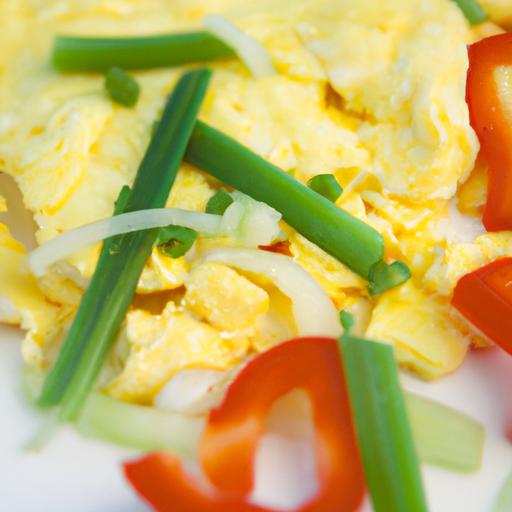
Presentation transforms a humble scramble into a feast for the eyes and soul. Serve your fluffy eggs on a warm plate, ideally white or pastel, to highlight their golden hue. Garnish with a sprig of fresh herbs and a light drizzle of extra-virgin olive oil or a pat of herb butter for shine and richness.
Accompany the dish with artisan toast-sourdough or a rustic whole grain-lightly buttered and toasted to golden perfection. A scattering of microgreens or thinly sliced radishes can introduce freshness and a pop of color. for a luxe touch, place a few ripe avocado slices nearby or a spoonful of vibrant tomato confit to balance the creaminess with acidity.

Q&A
Q&A: Mastering Morning Magic: Crafting the Perfect Scrambled Eggs
Q: what makes scrambled eggs a “morning magic” dish?
A: Scrambled eggs are a classic breakfast staple that combine simplicity with endless variation. Their creamy texture and rich flavor can instantly elevate your morning, setting a comforting and satisfying tone for the day ahead.
Q: How do I achieve the perfect texture in scrambled eggs?
A: The key is gentle heat and patience. Cook the eggs slowly over low to medium-low heat, stirring continuously. This prevents overcooking and dryness,resulting in soft,silky curds rather of rubbery chunks.
Q: Should I whisk my eggs before cooking?
A: Absolutely. Whisking introduces air,creating a fluffier texture. For extra creaminess, you can add a splash of milk, cream, or even water before beating the eggs thoroughly.
Q: What utensils and cookware work best for scrambled eggs?
A: A non-stick skillet or a well-seasoned cast iron pan is ideal. Use a silicone or wooden spatula for gentle stirring that won’t scratch the pan and helps fold the eggs delicately.
Q: Are there any secret ingredients that enhance flavor?
A: Beyond salt and pepper, a pinch of fresh herbs like chives, dill, or tarragon adds brightness. For richness, a small pat of butter stirred in at the end can lend a silky finish.Some cooks gently fold in cheese or a touch of crème fraîche for an indulgent twist.
Q: How can I customize scrambled eggs to suit different tastes?
A: Scrambled eggs are a blank canvas. Experiment with mix-ins like sautéed vegetables, smoked salmon, crispy bacon, or diced tomatoes. You can also spice things up with a dash of hot sauce or a sprinkle of smoked paprika.
Q: what common mistakes should I avoid when making scrambled eggs?
A: Cooking eggs on too high heat can turn them rubbery or brown.Over-stirring or under-stirring can also affect texture, so aim for gentle, steady folding. Lastly, avoid adding salt too early, as it can draw moisture out and impact creaminess.
Q: How critically important is timing when serving scrambled eggs?
A: Timing is crucial. Scrambled eggs are best enjoyed instantly off the stove while still warm and moist. Holding them too long causes them to cool and dry out, diminishing their magic.
Q: Can scrambled eggs be made ahead of time?
A: While possible, it’s not ideal. If you must prepare ahead, cook them slightly less than usual, then gently reheat with a splash of milk or butter to restore creaminess. Freshly made remains the gold standard.
Q: What final tip would you give to someone striving to master scrambled eggs?
A: Treat scrambled eggs like a delicate dance-slow, gentle, and mindful. With attention to heat, timing, and technique, even the simplest ingredient like eggs can transform into a morning ritual that feels truly magical.
Key Takeaways
As the simple sizzle of eggs meets your practiced wrist, each morning holds the promise of something deliciously new. Mastering the art of scrambled eggs is more than just a recipe-it’s a gentle invitation to start your day with intention and a touch of culinary magic. Whether you prefer them fluffy, creamy, or laced with your favorite flavors, the perfect scramble is an ever-evolving masterpiece that turns the routine into a ritual. So, the next time you crack those shells, remember: in the quiet moments of morning, a little patience and care can transform humble eggs into breakfast brilliance.