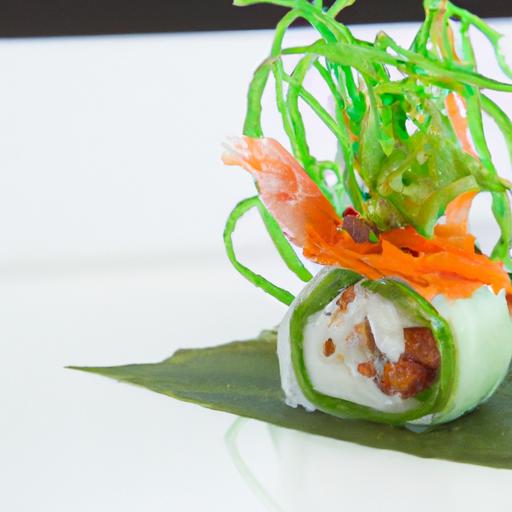

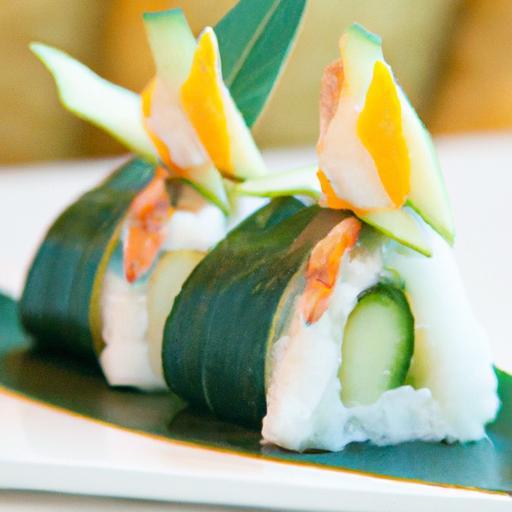
In the world of sushi, where tradition and innovation often intertwine, the humble shiso leaf is carving out its own unique niche. With its vibrant green hue and distinctive aroma, shiso adds a refreshing complexity that both honors and elevates classic flavors. As sushi chefs and enthusiasts explore new ways to delight the palate, this leafy herb offers a fresh twist on time-honored culinary art, inviting diners to experience sushi in an unexpected, yet harmonious way.
Shiso leaf in sushi introduces a captivating blend of luminous, herbal, and slightly minty notes alongside a hint of anise, elevating the conventional flavors of sushi with a fresh twist on texture and aroma. This Japanese herb, frequently enough described as a bridge between basil and mint, gifts each bite a refreshing complexity that transforms even the simplest roll into an aromatic celebration.
Prep and cook Time
- Preparation: 15 minutes
- Assembly: 10 minutes
- Total Time: 25 minutes
Yield
Serves 4 sushi rolls (approximately 12 pieces)
Difficulty Level
Medium – perfect for sushi enthusiasts looking to experiment beyond basic ingredients
Ingredients
- 2 cups sushi rice, cooked and seasoned with rice vinegar
- 10 fresh shiso leaves, washed and gently patted dry
- 4 sheets nori
- 200g fresh sashimi-grade salmon, thinly sliced
- 1 cucumber, julienned
- 2 tbsp pickled ginger
- 1 tbsp soy sauce (for dipping)
- 1 tbsp toasted sesame seeds
- Wasabi paste, optional
Instructions
- Prepare the sushi rice: Ensure your sushi rice is slightly sticky yet fluffy. spread it evenly over the nori sheets, leaving a 1-inch margin at the top edge.
- Add a layer of shiso leaves: Place 2-3 fresh shiso leaves gently over the rice on each sheet. The leaves provide a fragrant layer that enhances each bite with their unique aroma and subtle minty-spicy taste.
- Arrange fillings: Lay thin slices of salmon and julienned cucumber across the shiso leaves. The crispness of cucumber pairs beautifully with the herbal notes of shiso.
- Roll tightly: Using a bamboo sushi mat, roll the sushi firmly but gently to keep the ingredients intact and the shiso leaves unbruised.
- Slice carefully: With a sharp, wet knife, cut each roll into 3 equal pieces.Wiping the knife between cuts ensures clean, attractive slices.
- Finish and garnish: Lightly sprinkle toasted sesame seeds atop each piece.Serve with pickled ginger, soy sauce, and a dab of wasabi if desired.
Chef’s Notes: Tips for Success
- When selecting shiso leaves, opt for vibrant green, unblemished leaves with a fresh aroma. Avoid wilted or yellowing leaves for the best flavor.
- For a spicy twist, try using red shiso leaves, which are deeper in flavor and add visual contrast.
- shiso can be delicately chiffonaded to mix into rice bowls or used whole to layer in rolls, depending on your textural preference.
- If fresh shiso is unavailable, substitute with a mix of fresh basil and mint at a 1:1 ratio to mimic its unique flavor.
- Prepare sushi rice at least 30 minutes ahead to allow it to reach room temperature; warm rice will cause nori to become soggy.
- For an added crunch, lightly toast your sesame seeds before sprinkling.
Serving Suggestions
Present sushi rolls on a minimalist, rectangular platter to highlight the vibrant greens of the shiso leaf. Garnish plates with delicate sprigs of shiso or edible flowers for a sophisticated touch.Pair with chilled sake or a crisp green tea to complement the fresh herbal notes. Include small ramekins of soy sauce and wasabi to encourage personalized flavor enhancement.

| Nutrient | per Serving (3 pieces) |
|---|---|
| Calories | 210 kcal |
| Protein | 15 g |
| Carbohydrates | 28 g |
| Fat | 5 g |
Incorporating shiso leaf in sushi not only enriches the taste profile but invites a delightful sensory journey – balancing crisp textures with complex herbal bursts. To learn more about fresh Japanese herbs and their culinary applications, visit Japan Ministry of Agriculture official page for insightful details.
For expanding your sushi repertoire, explore our guide on How to Make Perfect Sushi Rice to complement this fresh shiso experience.
Q&A
Q&A: Shiso Leaf in Sushi – A Fresh Twist on Tradition
Q1: What exactly is shiso leaf?
A1: Shiso leaf, often described as the “Japanese basil,” is a vibrant herb native to East Asia. With its distinct blend of minty, citrusy, and slightly peppery flavors, shiso adds a refreshing complexity to many Japanese dishes, including sushi.
Q2: How is shiso leaf traditionally used in sushi?
A2: Traditionally, shiso leaf acts as both a flavor enhancer and a natural garnish. It’s frequently enough tucked inside rolls or placed beneath slices of fish to impart its aromatic qualities,elevating the overall taste with its bright,herbal notes.
Q3: Why is shiso leaf considered a fresh twist on sushi tradition?
A3: While sushi is often associated with minimal ingredients focusing on fish and rice, shiso introduces a vivid herbal element that brightens each bite. Its inclusion highlights a balance between tradition and innovation, bringing subtle complexity without overpowering the classic sushi experience.
Q4: Are there diffrent varieties of shiso used in sushi?
A4: Yes. The most common types are green (aojiso) and red (akajiso) shiso. Green shiso is more frequently used in sushi for its refreshing taste, while red shiso, with a slightly stronger flavor and vibrant color, is less common but occasionally found in pickled sushi accompaniments.
Q5: how does shiso leaf complement other sushi ingredients?
A5: Shiso’s bright,citrusy notes cut through the richness of fatty fish like salmon or tuna,while its minty undertones pair wonderfully with the sweetness of vinegared rice. It also harmonizes well with ingredients like cucumber, pickled ginger, and wasabi, enhancing the sushi’s flavor profile.
Q6: Can shiso leaf be used in modern sushi variations?
A6: Absolutely. Contemporary chefs often experiment by incorporating shiso in fusion rolls or using it as a wrap instead of seaweed. Its versatility lends itself to creative presentations and novel flavor combinations while still honoring the essence of sushi.
Q7: Is shiso leaf healthy?
A7: Beyond flavor, shiso leaf offers nutritional benefits. It’s rich in antioxidants,vitamins A and C,and has anti-inflammatory properties,making it a wholesome addition to sushi from both taste and health perspectives.
Q8: Where can one find shiso leaves to try at home?
A8: Shiso can be found at Asian grocery stores, specialty markets, or grown fresh in herb gardens. When using at home, look for crisp, vibrant leaves free from discoloration for the best flavor and freshness.
Q9: Any tips for incorporating shiso leaf in homemade sushi?
A9: Start by gently rinsing the leaves and patting them dry.Use them as a layering element beneath fish slices or finely chop and mix into rice or fillings. Experiment with pairing shiso with milder fish or vegetarian ingredients to fully appreciate its distinct aroma.
Q10: Why should sushi enthusiasts give shiso leaf a try?
A10: Shiso leaf invites a subtle yet intriguing sensory experience, bridging tradition and innovation. For sushi lovers eager to explore beyond the familiar, it offers a refreshing twist that enriches both flavor and cultural recognition.
Final Thoughts
Whether nestled beneath a slice of sashimi or folded into a delicate roll, the shiso leaf brings a subtle yet distinctive burst of freshness that elevates sushi from simple to sublime. Its aromatic complexity and vibrant flavor offer a fresh twist on tradition,reminding us that even in time-honored dishes,there’s always room to explore new tastes. As sushi continues to evolve, the shiso leaf stands as a testament to the beauty of blending heritage with innovation-inviting both chefs and diners to savor the unexpected nuances in every bite.