

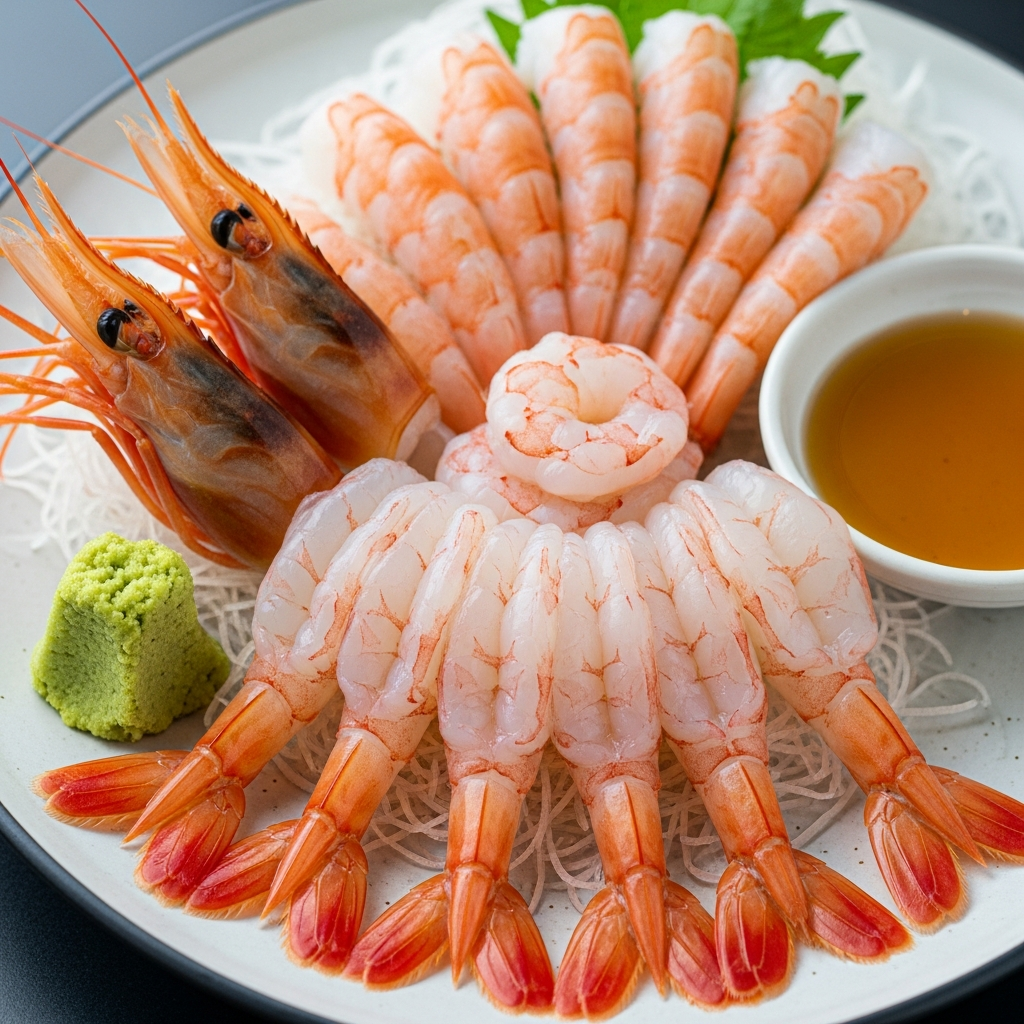
Beneath the shimmer of ocean waves lies a culinary treasure prized for its tender texture and subtle sweetness: shrimp sashimi. Delicate Delight invites you to embark on a sensory journey into the art of preparing and savoring this refined Japanese delicacy. From the meticulous selection of the freshest shrimp to the skillful slicing that reveals its translucent beauty, shrimp sashimi offers a unique experience that balances simplicity with elegance. This exploration uncovers the traditions, techniques, and cultural nuances that elevate shrimp sashimi from a humble crustacean to a celebrated masterpiece on the plate.
Delicate Delight: Exploring the Art of Shrimp Sashimi
Delicate Delight: Exploring the Art of Shrimp Sashimi brings you into the exquisite world of one of Japan’s most treasured seafood delicacies. This refined dish captures the essence of simplicity and freshness, emphasizing the natural sweetness and tender texture of premium shrimp. Beyond its delicate appeal, shrimp sashimi is steeped in rich cultural history and culinary tradition, inviting both beginners and seasoned cooks to master its art.
The Origins and Cultural Significance of Shrimp Sashimi
Shrimp sashimi holds a revered place in Japanese cuisine, where the unadulterated flavors of raw seafood are celebrated with minimalist elegance. Traditionally served during auspicious occasions and seasonal festivals in Japan, this dish symbolizes purity and respect for the ocean’s bounty. The practice of serving raw shrimp in sashimi form traces back to Edo-period sushi beginnings but evolved into a standalone delicacy cherished for its subtle sweetness and melt-in-the-mouth texture.
In Japanese culinary culture, the selection and preparation of shrimp sashimi are considered an art fo
- devein: Make a shallow cut along the back to remove the dark vein without damaging the flesh.
- Butterfly the shrimp: To enhance texture and appearance, slice lengthwise, nearly halving the shrimp but maintaining a connected base.
- Slice for sashimi: Using a sharp sashimi knife or filleting knife, cut the shrimp into even, thin slices about ¼ inch thick. Hold the knife at a slight angle for clean cuts that preserve tenderness.
Pro tip: Keep the shrimp chilled on crushed ice before slicing to maintain optimal firmness and flavor.
Pairing Shrimp Sashimi with Complementary Sauces and Side Dishes
The magic of shrimp sashimi blossoms when paired thoughtfully with sauces and accompaniments that elevate its delicate flavor profile without overpowering it.
- Sauces: A simple dish like shrimp sashimi benefits from light, umami-driven condiments such as ponzu sauce, freshly grated wasabi, and soy sauce blends. Yuzu kosho-a spicy, citrusy paste-adds an invigorating twist.
- Side dishes: Offer refreshing sides like thinly sliced daikon radish, shiso leaves, and pickled ginger to cleanse the palate between bites. A delicate miso soup or chirashi bowl complements the experience by adding warmth and texture variance.
Balancing freshness with subtle flavor contrast heightens the sensory harmony of the dish, making each bite a true party of the sea.
Prep and Cook Timerm.it epitomizes the harmony between ingredient quality and skilled maneuvering, often passed down through generations of sushi chefs. Today, shrimp sashimi is also a global ambassador for japan’s gastronomic philosophy, emphasizing freshness, precision, and reverence for raw seafood.
Selecting the Freshest Shrimp for Optimal Flavor and Texture
Choosing the right shrimp is the foundation of any triumphant shrimp sashimi endeavor. Freshness translates directly into clean, vibrant flavors and a satisfying firm texture that melts gracefully on the palate.
- Type of shrimp: Opt for amaebi or ”sweet shrimp,” renowned for their naturally sweet flavor and delicate flesh, ideal for sashimi.
- Freshness indicators: Select shrimp with clear, glossy eyes, firm body, and no ammonia-like odors. The shells should be translucent and moist but not slimy.
- Source: Purchasing from a trusted fishmonger who specializes in sushi-grade seafood or sourcing sustainably farmed shrimp ensures safety and exceptional quality.
Techniques for Perfectly Preparing and Slicing Shrimp Sashimi
Proper preparation is crucial to unlock the full elegance of shrimp sashimi. Start by gently rinsing the shrimp under cold water to remove any surface impurities. Removing the shell and deveining should be done with precision – preserving the shrimp’s plump shape.
- Peel the shrimp carefully leaving the tail attached if desired for presentation.
- Prep Time: 20 minutes
- Cook Time: 0 minutes (served raw)
Yield
Serves 2-3 as an appetizer or light entrée
Difficulty Level
Medium – Requires knife skills and ingredient sourcing knowledge
Ingredients
- 12 large amaebi (sweet shrimp),raw,peeled,deveined
- 1 tbsp soy sauce
- 1 tbsp ponzu sauce
- 1 tsp freshly grated wasabi
- 1 tbsp yuzu kosho (optional)
- A handful of shiso leaves
- 1 cup finely shredded daikon radish
- Pickled ginger to serve
- Ice cubes and water for chilling shrimp
Instructions
- Prepare shrimp: Rinse each shrimp under cold water. Gently peel shells, leaving tails if desired.Devein by making a shallow cut along the back and removing the intestinal tract.
- Chill shrimp: Place peeled shrimp on a bed of crushed ice or in ice water for 10 minutes to firm the flesh.
- Butterfly shrimp: Using a sharp knife, slice lengthwise halfway through shrimp to open it like a butterfly. Lay flat and drain excess moisture.
- Slice shrimp sashimi: Cut the butterflied shrimp into ¼-inch thick slices at a slight diagonal for best texture and presentation.
- Plate artfully: Arrange the shrimp slices over shredded daikon radish and shiso leaves on a chilled platter.
- Prepare dipping sauces: In small bowls, pour soy sauce and ponzu. Add freshly grated wasabi or yuzu kosho as desired.
- Serve immediately: Garnish with pickled ginger and enjoy chilled alongside your preferred sauces.
Tips for Success
- Always use the freshest shrimp possible and keep them cold untill serving to preserve texture and flavor.
- Invest in a sharp knife specifically designed for sashimi to achieve clean, precise cuts that avoid mushy edges.
- practice patience and gentle handling to maintain the delicate shape and translucent appearance of the shrimp.
- For a slightly different approach, try marinating shrimp in a light yuzu or lemon juice bath for 5 minutes before slicing for an added citrus brightness.
- Make sure to serve sashimi swiftly after slicing for the best sensory experience; shrimp sashimi deteriorates quickly once exposed to room temperature.
Serving Suggestions
Present shrimp sashimi on a bed of crushed ice or a sleek black slate plate to emphasize its translucent pink hues. Adorn with fresh shiso leaves for an herbal aroma and garnish with thin strands of daikon radish. Side dishes such as lightly pickled cucumber or a small bowl of steamed edamame enhance the meal’s balance.
Accompany shrimp sashimi with sake or a crisp,dry white wine such as a Sauvignon Blanc to complement its delicate sweetness without overwhelming subtleties.
| Nutrient | Per Serving |
|---|---|
| Calories | 120 kcal |
| Protein | 24 g |
| Carbohydrates | 1 g |
| Fat | 1.5 g |
For more inspiration on masterful sashimi arts, explore our Japanese Fish Preparation Techniques. To deepen your understanding of seafood safety and sourcing, visit the FDA’s Seafood Buying and Handling Tips.

Q&A
Q&A: Delicate Delight - Exploring the Art of Shrimp Sashimi
Q1: What makes shrimp sashimi different from other types of sashimi?
A1: Shrimp sashimi stands out due to its delicate sweetness, tender texture, and subtle oceanic flavor. Unlike firmer fish varieties, the translucent flesh of fresh shrimp offers a unique, melt-in-your-mouth experience that highlights the freshness and artistry behind its preparation.
Q2: How is shrimp sashimi traditionally prepared?
A2: Traditionally, shrimp sashimi involves selecting the freshest, live or very recently caught shrimp. After careful cleaning and deveining, the shrimp are peeled, often leaving the tail intact for presentation. the chef then skillfully slices the shrimp to preserve its natural texture, serving it raw with minimal garnishes to emphasize purity.
Q3: Are there different types of shrimp used for sashimi?
A3: Yes, different shrimp varieties can be used, including amaebi (sweet shrimp), botan ebi, or spot prawns. Amaebi is the most popular,prized for its natural sweetness and tender flesh. The choice often depends on regional availability and seasonal freshness.
Q4: What should one look for when choosing shrimp sashimi at a restaurant?
A4: When selecting shrimp sashimi, freshness is paramount. The shrimp should look translucent and moist, with no off-putting odor. The texture should be firm yet tender, reflecting quality and expert handling. Additionally, knowledgeable chefs will often serve it shortly after preparation, ensuring peak flavor.
Q5: How is shrimp sashimi typically served and eaten?
A5: Shrimp sashimi is commonly served atop a bed of shredded daikon radish, accompanied by soy sauce, wasabi, and sometimes a touch of grated ginger or citrus. Diners can enjoy it by dipping each bite lightly into soy sauce, savoring the shrimp’s natural sweetness enhanced by delicate seasoning.
Q6: Are there any cultural or seasonal considerations tied to shrimp sashimi?
A6: Indeed, shrimp sashimi reflects Japanese appreciation for seasonality and the ocean’s bounty. Seasonally available shrimp varieties emphasize freshness and regional specialties. Consuming shrimp sashimi during its peak season ensures optimal flavor and honors traditional culinary rhythms.
Q7: Can shrimp sashimi pose any health risks?
A7: As with all raw seafood, consuming shrimp sashimi carries some risk of foodborne illness if not prepared with strict hygiene and freshness standards. Responsible sourcing and expert preparation mitigate these risks, making it safe to enjoy when sourced from reputable establishments.
Q8: How does the art of serving shrimp sashimi contribute to the dining experience?
A8: The art lies not only in taste but also in presentation-shrimp sashimi invites diners to appreciate its translucent beauty, natural form, and subtle craftsmanship. This careful balance of aesthetics and flavor transforms a simple dish into a refined experience, celebrating the elegance of raw seafood.
This Q&A invites a deeper appreciation for shrimp sashimi, revealing its nuanced flavors, cultural significance, and the precision behind its delicate preparation.
The Conclusion
in the delicate dance of flavors and textures, shrimp sashimi stands as a testament to the art of simplicity and precision. Its subtle sweetness and tender bite invite both novices and connoisseurs to appreciate the nuanced beauty hidden within raw seafood. As we conclude our exploration of this exquisite dish, we are reminded that the true essence of shrimp sashimi lies not only in its taste but in the careful craftsmanship and respect for tradition that bring it to life. Whether savored in a quiet moment or shared among friends, shrimp sashimi remains a delicate delight-a quiet celebration of purity on the palate.