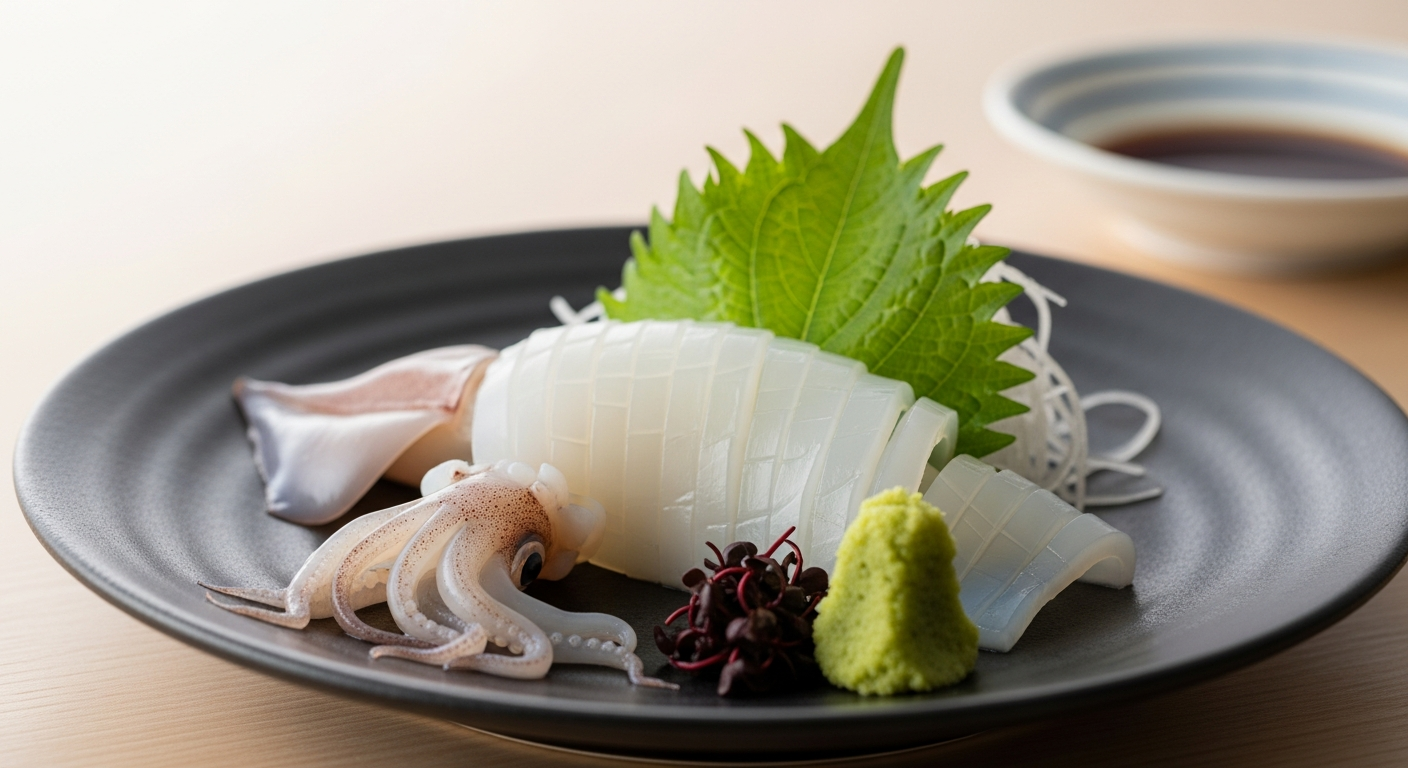

Beneath the shimmering waves of the ocean lies a treasure as delicate as it is captivating: squid sashimi. This culinary art form, celebrated for its subtle textures and translucent elegance, invites diners too experience the ocean’s freshness in its purest state. crafting the perfect squid sashimi requires both skill and precision, transforming a simple sea creature into a refined delicacy that delights the senses. In this exploration of squid sashimi, we delve into the techniques, traditions, and sensory pleasures that make this dish a treasured staple in coastal cuisines around the world.
The Art of Squid Sashimi: A Delicate Ocean Delight
The Art of Squid Sashimi: A Delicate Ocean Delight begins with selecting sushi-grade squid that promises pristine freshness and unmatched texture. This dish embodies the subtle elegance of Japanese cuisine, where the ocean’s bounty meets precise technique. Weather you’re preparing an intimate meal or wanting to impress guests, mastering squid sashimi offers a rewarding journey into culinary refinement.
Prep and Cook Time
- Preparation: 20 minutes
- Cooking: 0 minutes (served raw)
- Total Time: 20 minutes
Yield
- Serves 2-3 as an appetizer
Difficulty Level
- advanced – Requires precise handling and knife skills
Ingredients
- 300g fresh squid mantle, cleaned and patted dry
- 2 tablespoons soy sauce, preferably light
- 1 teaspoon yuzu juice or fresh lemon juice
- Fresh shiso leaves for garnish
- Wasabi paste, to taste
- Thinly sliced scallions, optional
- Pickled ginger, for palate cleansing
- Ice water, for cleansing the squid after cutting
Instructions
- Selecting the Freshest Squid: Begin with a squid that is luminous white with a slightly translucent sheen and firm texture. Avoid any that smell overly fishy or have a slimy surface. freshness is key to the perfect texture and flavor.
- Cleaning the Squid: Gently remove the head,innards,and cartilage. Peel away the skin carefully, revealing the smooth white mantle beneath.Rinse under cold water and pat dry wholly.
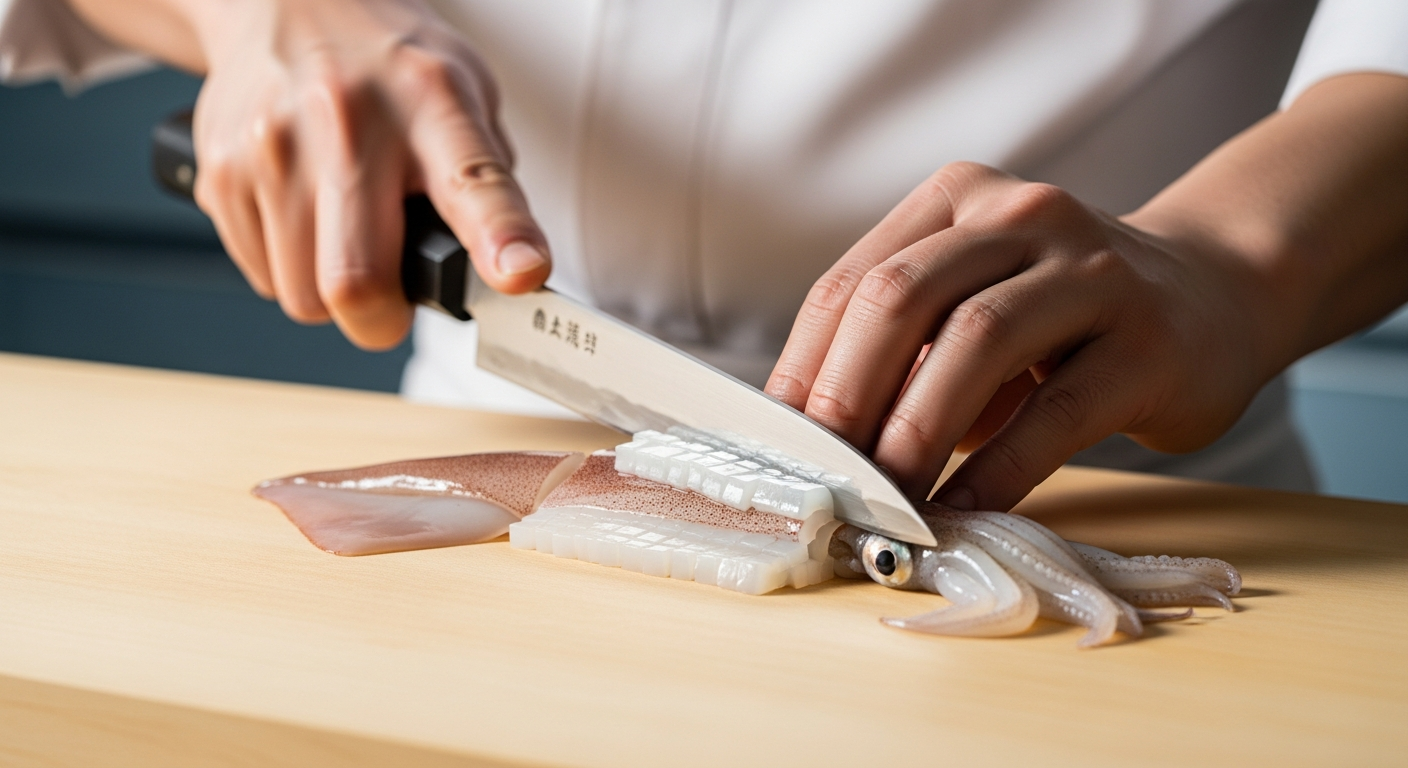
- Mastering the Cutting Technique: Lay the squid mantle flat on a chilled cutting board. Using a sharp sashimi knife, slice across the mantle into thin, even strips approximately 2 mm thick, cutting against the grain to enhance tenderness. Aim for uniformity to ensure an elegant presentation and consistent texture.
- Ice bath Cleansing: Submerge the cut slices briefly in ice water to firm up the flesh and remove excess surface moisture, then drain on a paper towel.
- Balancing Flavors: Arrange the sashimi on chilled plates.Drizzle lightly with soy sauce and a whisper of yuzu juice to brighten the flavors. Incorporate a small dab of wasabi for spice and freshness.
- Garnishing: Place fresh shiso leaves alongside the squid for an aromatic lift. Complement with thin scallion slices and pickled ginger to cleanse the palate between bites.
Tips for Success
- Knife Maintenance: Ensure your sashimi knife is razor-sharp. A dull blade will crush the delicate squid causing uneven cuts.
- Squid Variations: Baby squid can be used but require even thinner slicing due to their naturally tender flesh.
- Make-Ahead: Prepare the squid sashimi shortly before serving. If necessary, keep the cut slices covered on a bed of crushed ice for no longer than 30 minutes to maintain freshness.
- Flavor Pairings: For a modern twist, serve with ponzu sauce or a sprinkle of toasted sesame seeds to add depth without overshadowing the squid’s subtle sweetness.
Serving Suggestions
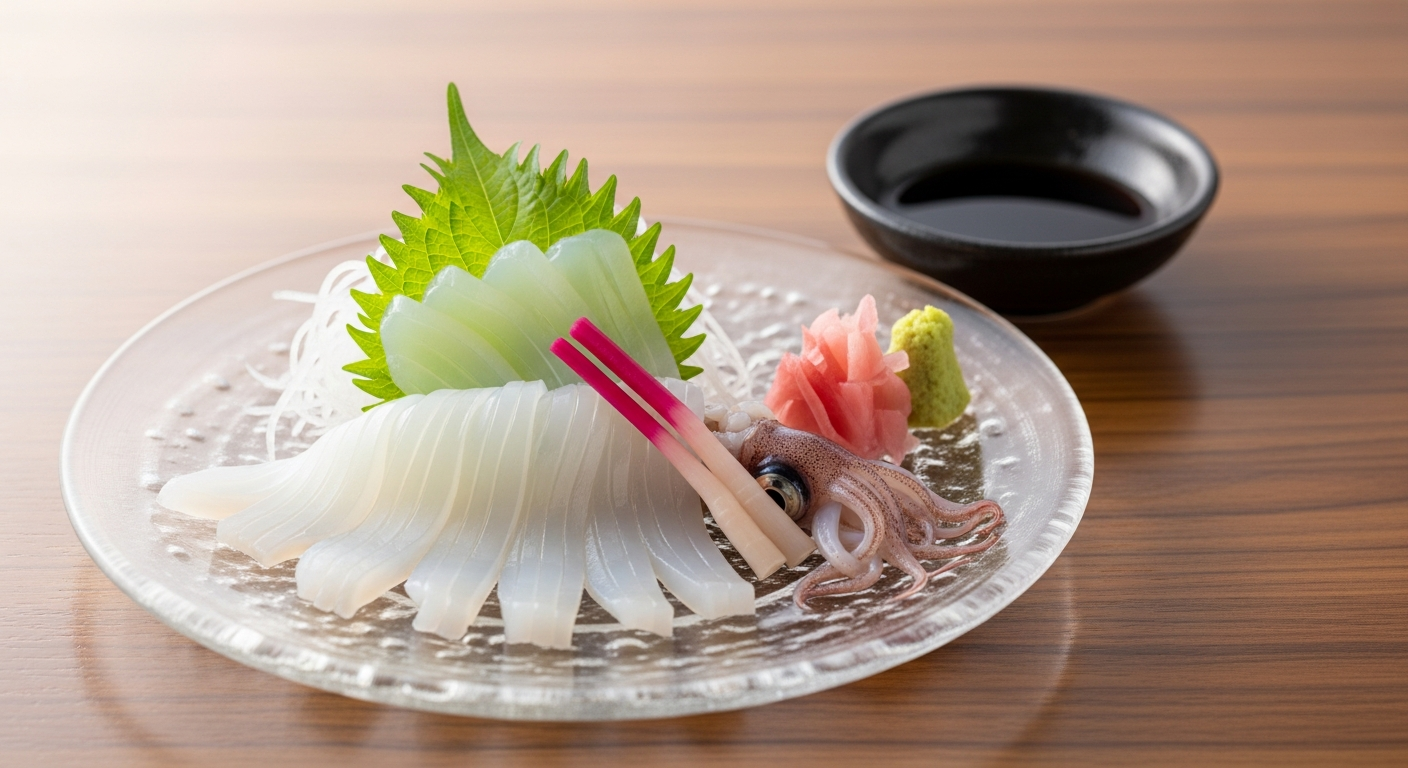
Present your squid sashimi on a chilled ceramic or glass plate to highlight its pristine whiteness. Arrange slices in a fan or overlapping row for visual rhythm. Garnish with vibrant fresh shiso leaves and a side of crisp pickled ginger to refresh the palate. A small dish of soy sauce mixed with yuzu juice on the side invites diners to customize their bite. Pair with a light, crisp sake or chilled white wine for an elevated dining experience.

| Nutrient | Per Serving (100g) |
|---|---|
| Calories | 92 kcal |
| Protein | 15 g |
| Carbohydrates | 3 g |
| Fat | 1 g |
For a deeper dive into traditional Japanese seafood preparations, explore our complete guide on Japanese seafood techniques. To understand more about the nutritional benefits of seafood, visit the authoritative FDA seafood nutrition page.
Q&A
Q&A: The Art of squid Sashimi – A delicate Ocean Delight
Q1: what makes squid sashimi a unique dish compared to other types of sashimi?
A1: Squid sashimi stands out for its delicate texture and subtle, sweet flavor. Unlike more robust sashimi options like tuna or salmon, squid offers a tender yet slightly chewy bite that melts softly on the palate. Its translucent white flesh and mild taste allow the natural freshness of the sea to shine through without overpowering the senses.
Q2: How is squid sashimi traditionally prepared to highlight its delicate qualities?
A2: Preparation is key in honoring the squid’s gentle nature. The squid is carefully cleaned and then sliced thinly-frequently enough paper-thin-using a sharp, precise knife to ensure smooth edges and an appealing presentation. This technique helps preserve its tender texture and allows the subtle flavors to come through uncompromised.
Q3: Are there particular types of squid used for sashimi?
A3: Yes, chefs typically select fresh, high-quality squid varieties known for their tenderness, such as the Japanese yari ika (spear squid).The freshness directly influences both flavor and texture, so sourcing locally caught or freshly delivered squid is essential for an authentic sashimi experience.
Q4: What role does presentation play in serving squid sashimi?
A4: Presentation is an art form in itself, reflecting the dish’s delicate nature. Thin slices are frequently enough arranged like petals of a flower or flowing ribbons on a chilled plate, sometimes garnished with shiso leaves, daikon radish, or a small dollop of wasabi. This visual elegance complements the dish’s subtle flavor, elevating the overall dining experience.
Q5: How should squid sashimi be enjoyed for the best taste?
A5: To appreciate its delicate profile, it’s best enjoyed simply-with a touch of soy sauce and freshly grated wasabi or a hint of citrus like yuzu. Eating it slowly allows the nuances of texture and flavor to unfold, evoking the gentle essence of the ocean in each bite.
Q6: Are there any cultural or past significances tied to squid sashimi?
A6: Squid has long been cherished in Japanese cuisine, frequently enough symbolizing purity and simplicity. Serving it sashimi-style exemplifies respect for the ingredient’s natural qualities and the craftsmanship of the chef. It embodies the Japanese culinary beliefs of minimalism-highlighting freshness and restraint rather than heavy seasoning.
Q7: Can squid sashimi be enjoyed by all seafood lovers, or should certain people be cautious?
A7: Generally, squid sashimi is safe and enjoyed by many seafood enthusiasts. However, individuals with shellfish or seafood allergies should exercise caution, as squid can sometimes trigger similar allergic reactions. Additionally, ensuring consumption of properly handled and fresh squid is vital to avoid any foodborne risks.
Q8: What’s one tip for home cooks interested in trying squid sashimi?
A8: Invest in a very sharp knife and focus on the slicing technique-thin, even cuts make all the difference. Also, source the freshest squid possible, and chill it before slicing to firm up the flesh. While replicating restaurant quality can be challenging, approaching the process with patience and respect for the ingredient will yield the best results.
Through skillful preparation and reverence for its gentle flavors, squid sashimi offers a sublime taste of the ocean-an elegant delicacy for those seeking something both refined and refreshingly simple.
Insights and Conclusions
As the final slice of squid sashimi melts away, it’s clear that this delicate ocean delight is more than just a dish-it’s an art form that celebrates simplicity, precision, and the subtle flavors of the sea. Whether enjoyed in a quiet sushi bar or prepared at home with mindful care, squid sashimi invites us to savor the moment and appreciate the craftsmanship behind every translucent bite.In the world of seafood, it stands as a testament to how elegance can emerge from the humblest of ingredients, reminding us that true culinary beauty often lies in restraint and respect for nature’s gifts.