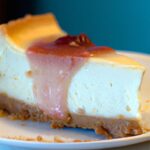

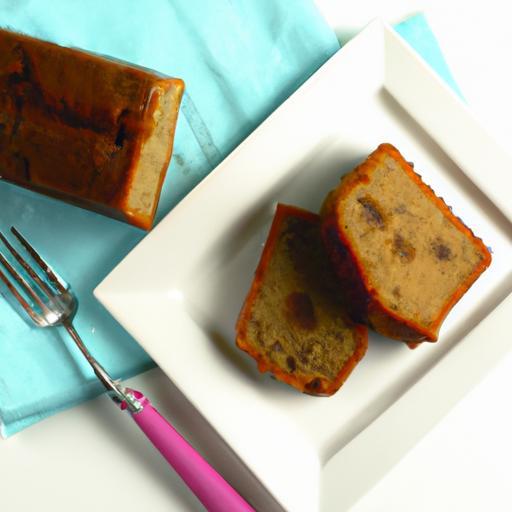
In the ever-evolving world of baking, the quest for healthier alternatives has sparked a delicious revolution. enter stevia-a natural, zero-calorie sweetener that promises to redefine how we satisfy our sweet cravings without compromising on taste or texture.”Sweet Success: Mastering Sugar-Free Baking with Stevia” explores the art and science behind incorporating this plant-based substitute into your favorite recipes. Whether you’re a seasoned baker or a curious novice, this guide offers practical insights and creative tips to help you achieve the perfect balance of sweetness and indulgence-proving that sugar-free treats can be just as delightful as the originals.
Sweet Success: Mastering Sugar-Free Baking with Stevia unveils the secrets to achieving perfectly balanced flavor and texture in your favorite desserts without any added sugar. Understanding stevia’s unique properties helps transform ordinary recipes into wholesome, guilt-free indulgences. Derived from the leaves of the Stevia rebaudiana plant,this natural sweetener offers an intense sweetness-up to 300 times that of sugar-without the calories,making it a game-changer for sugar-free baking enthusiasts.
prep and Cook Time
- Readiness: 15 minutes
- Cooking: 25-30 minutes
- Total: 40-45 minutes
Yield
Makes 12 servings – perfect for sharing or savoring throughout the week.
difficulty Level
Medium – ideal for bakers cozy experimenting with sugar alternatives and adjusting textures.
Ingredients
- 1 ½ cups all-purpose flour, sifted
- ¼ cup powdered stevia blend (adjust depending on brand sweetness level)
- 1 tsp baking powder
- ½ tsp baking soda
- ¼ tsp salt
- ½ cup unsalted butter, softened
- 2 large eggs, room temperature
- 1 tsp pure vanilla extract
- ½ cup unsweetened greek yogurt
- ¼ cup milk (dairy or plant-based)
- Optional: ½ cup fresh berries or sugar-free chocolate chips
Instructions
- Preheat the oven to 350°F (175°C). Grease a 12-cup muffin tin or line with paper liners.
- In a medium bowl, combine the sifted flour, powdered stevia, baking powder, baking soda, and salt. Whisk thoroughly to ensure even distribution of leavening agents and sweetener.
- In a large bowl, cream the softened butter until smooth and fluffy-about 2 minutes using an electric mixer.
- Add the eggs one at a time, beating well after each addition to build structure and airiness.
- stir in the vanilla extract, then alternate adding the dry ingredients and wet ingredients (yogurt and milk) in three parts, starting and ending with dry. Mix gently after each addition to avoid overworking the batter.
- If using, fold in fresh berries or sugar-free chocolate chips carefully to prevent breaking or color bleed.
- Divide the batter evenly into the prepared muffin cups, filling about ¾ full to allow room for rising.
- Bake for 25-30 minutes, or until a toothpick inserted in the center comes out clean. Rotate the pan halfway through baking for even browning.
- Cool the muffins in the pan for 5 minutes, then transfer to a wire rack to cool completely. This step prevents sogginess and helps solidify the crumb.
Tips for Success
- Stevia’s potency varies by brand-always check manufacturer’s conversion charts. Using a measured powdered blend designed for baking helps maintain balance.
- Because stevia lacks bulk, consider adding Greek yogurt or applesauce for moisture and tenderness.
- If your batter tastes slightly bitter, try combining stevia with a small amount of erythritol or monk fruit for a smoother aftertaste.
- Don’t overmix the batter; gently fold ingredients to keep the texture light.
- Make-ahead: store muffins in an airtight container at room temperature for 3 days or freeze for up to 1 month.
Serving Suggestions
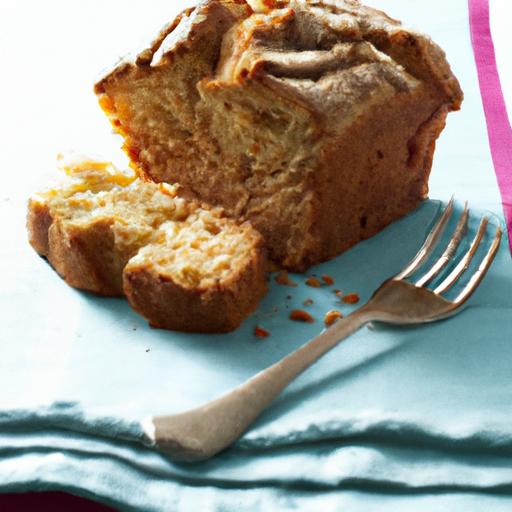
Serve these sugar-free muffins warm, topped with a dollop of unsweetened whipped cream or a light smear of almond butter for extra richness. A dusting of cinnamon or freshly grated lemon zest adds aromatic flair, while a side of fresh berries brightens the plate. For an elegant presentation, garnish with edible flowers or a drizzle of sugar-free berry compote.
| Nutrient | Per Serving |
|---|---|
| Calories | 140 |
| Protein | 4g |
| Carbohydrates | 18g |
| Fat | 6g |

For more inspiration on sugar-free baking, explore our Sugar-Free Dessert Recipes collection.To deepen your understanding of stevia’s health benefits and usage,visit the national Institutes of Health for extensive research.
Q&A
Q&A: Sweet Success – mastering Sugar-Free Baking with Stevia
Q1: What makes stevia a popular choice for sugar-free baking?
A1: Stevia is a natural sweetener derived from the leaves of the Stevia rebaudiana plant. It provides sweetness without the calories or blood sugar spikes caused by regular sugar, making it a favored option for those seeking healthier desserts and managing conditions like diabetes.Q2: Can I substitute stevia for sugar on a one-to-one basis in recipes?
A2: Not quite. Stevia is much sweeter than sugar-frequently enough 200 to 300 times sweeter-so only a small amount is needed. Direct substitution without adjustments can lead to overly sweet or bitter results.Typically, recipes specify precise stevia measurements or blends designed for baking.
Q3: Does baking with stevia affect texture and rise in baked goods?
A3: Yes.Sugar contributes not only sweetness but also moisture, browning, and structure. When using stevia alone, baked goods can turn out drier or less tender. To compensate, bakers frequently enough add moisture-rich ingredients (like applesauce or yogurt) or combine stevia with bulking agents such as erythritol or flour.
Q4: Are all forms of stevia suitable for baking?
A4: Stevia comes in various forms-pure powdered extract, liquid drops, and blends mixed with other sweeteners. pure stevia extract can have a bitter aftertaste if overused, while blends formulated for baking generally provide better flavor and performance. Choose the form that matches your recipe’s requirements.
Q5: How can I avoid the bitter aftertaste sometimes associated with stevia?
A5: Using the right amount is key. Start with small quantities and adjust gradually. Blended stevia products often reduce bitterness. Pairing stevia with complementary flavors, such as vanilla, cinnamon, or citrus zest, can also mask any residual bitterness.
Q6: Does stevia change the browning or color of baked goods?
A6: Since stevia lacks the caramelizing sugars found in regular sugar, it doesn’t brown baked goods in the same way. To achieve a golden crust, some bakers add ingredients like molasses alternatives, browned butter, or a light coating of egg wash.
Q7: What are the best types of recipes to start with when baking sugar-free with stevia?
A7: Muffins, quick breads, and moist cakes tend to adapt well to stevia because their texture is forgiving. Recipes that rely heavily on caramelization or sugar’s structural role, like meringues or certain cookies, can be more challenging to replicate.
Q8: Are there any health considerations to keep in mind when baking with stevia?
A8: stevia is generally recognized as safe, but individuals with certain allergies or sensitivities should consult a healthcare provider. Additionally, moderation is wise since excessively sweet flavors-natural or artificial-can affect taste preferences over time.
Q9: can I combine stevia with other sugar substitutes in baking?
A9: Absolutely. Combining stevia with sugar alcohols like erythritol or other natural sweeteners can balance sweetness, improve texture, and reduce aftertaste, resulting in more satisfying sugar-free baked goods.
Q10: Where can I find reliable recipes for baking with stevia?
A10: Many cookbooks and food blogs specialize in sugar-free baking,offering tested recipes tailored for stevia. Look for sources that provide clear guidance on substitutions and ingredient balances to ensure sweet success in your kitchen.
Wrapping Up
mastering sugar-free baking with stevia is less about strict substitutions and more about embracing a new way to create sweetness that aligns with your health and taste goals. With patience, experimentation, and a touch of creativity, stevia can transform familiar recipes into delightful treats that satisfy both body and palate. Sweet success doesn’t have to come at the cost of sugar-it can come from the simple art of reimagining your favorite baked goods, one naturally sweetened bite at a time.